Article · 9 minutes

Programmatic SEO Is a Data System, Not a Page Factory

How intent, enrichment, indexation, testing, localization, and data infrastructure make large-scale SEO sustainable.


Title slide of the Programmatic SEO presentation about using data to improve search visibility.

Programmatic SEO is often reduced to generating thousands of pages from a template. That is the visible output, not the system. Sustainable programmatic SEO combines data analysis, scalable automation, and intent analysis. It creates pages only where the product can satisfy demand, measures whether those pages work, and improves or removes the ones that do not.

This article is based on my lecture “Programmatic SEO: Using Data to Improve Search Visibility”. The source talk and deck are in Ukrainian; the English slides below are localized.

A warning that large-scale methods do not fit every site.
Programmatic SEO is most relevant when templates, inventories, locations, or other repeatable entities create a genuinely large search surface.

References to earlier talks that connect analytics, AI tools, and programmatic SEO.
The system builds on product analytics and task-specific AI rather than treating mass page creation as an isolated tactic.

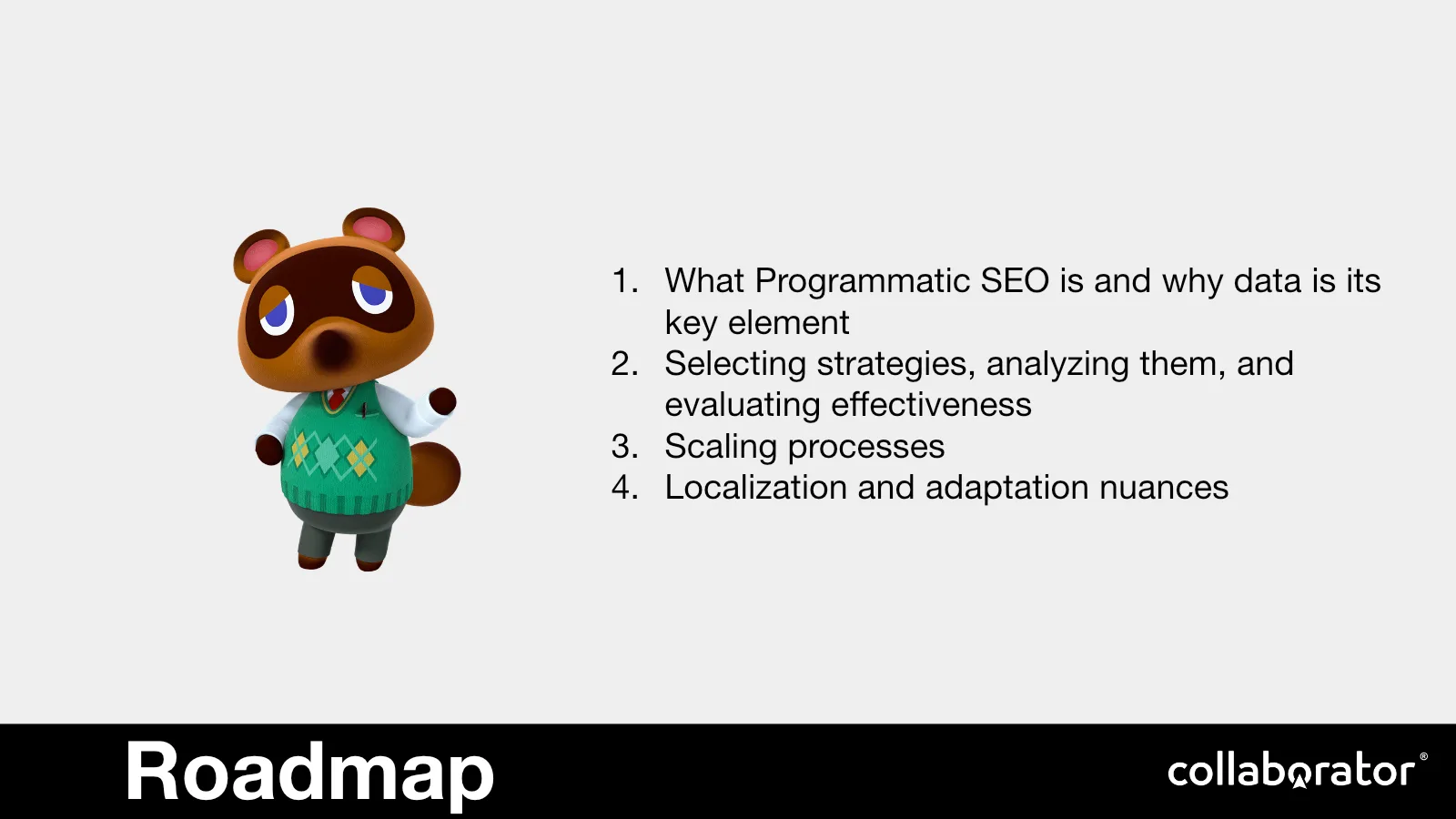
Roadmap: definition, data, strategy, scalability, localization, and adaptation.
The roadmap follows the lifecycle from deciding what to build through measuring and adapting it.

Three Pillars: Data, Scale, and Intent

Programmatic SEO uses automation and data-driven techniques to optimize a large number of pages. The three pillars are inseparable: data analysis identifies opportunities and problems; automation makes implementation economical; intent analysis makes the result useful.
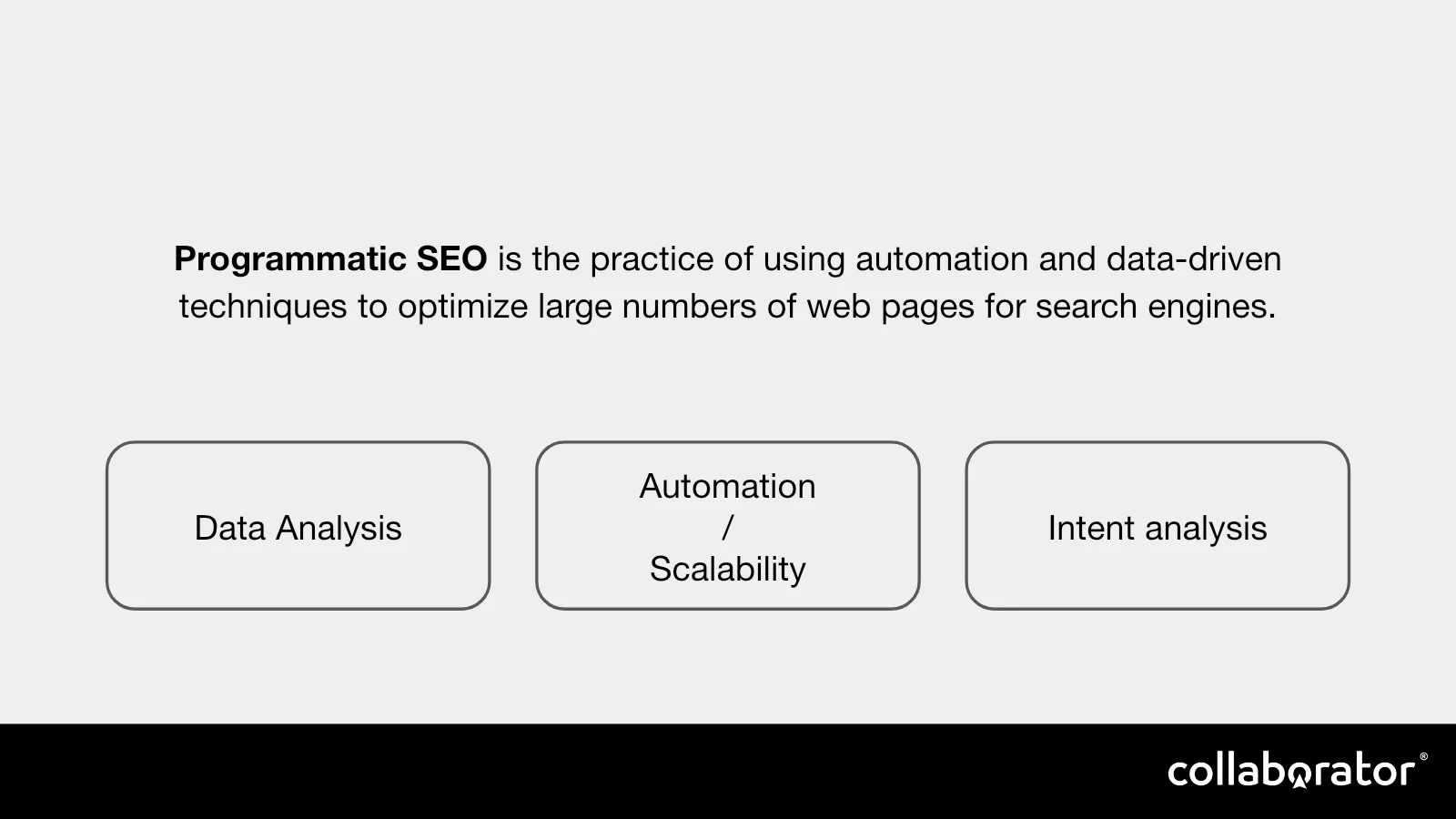
Programmatic SEO at the intersection of data analysis, automation, scalability, and intent analysis.
Automation without analysis produces volume; analysis without scalable execution does not become a programmatic system.

Typical strategies include expanding existing templates, adding new verticals, improving the visibility of current pages, and localizing a proven product for another market. Release new page groups in batches: a controlled rollout makes quality and indexation problems visible before they affect millions of URLs.
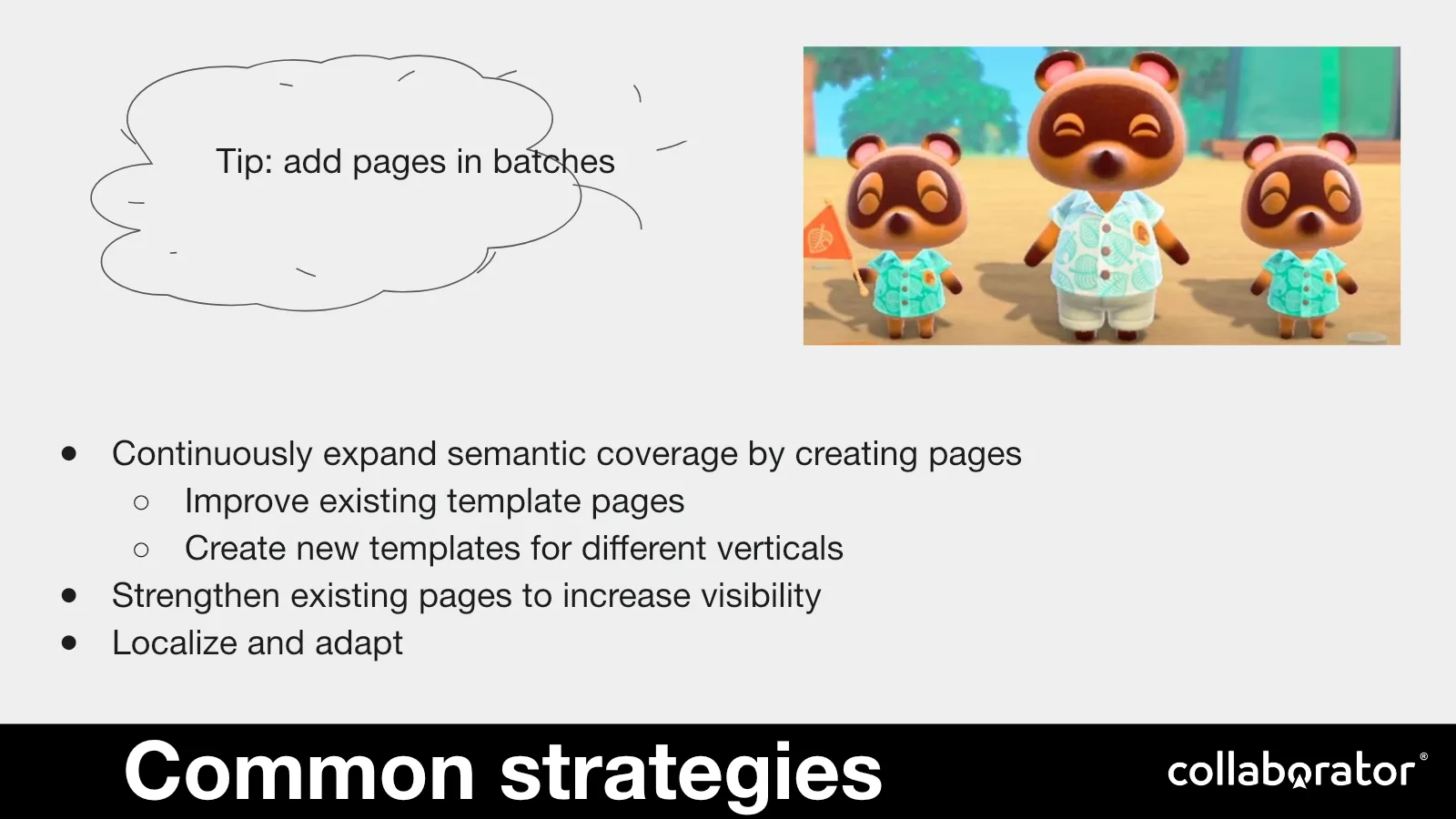
Typical strategies and the recommendation to add pages in batches.
Batch releases create checkpoints for indexation, quality, and user-response analysis.

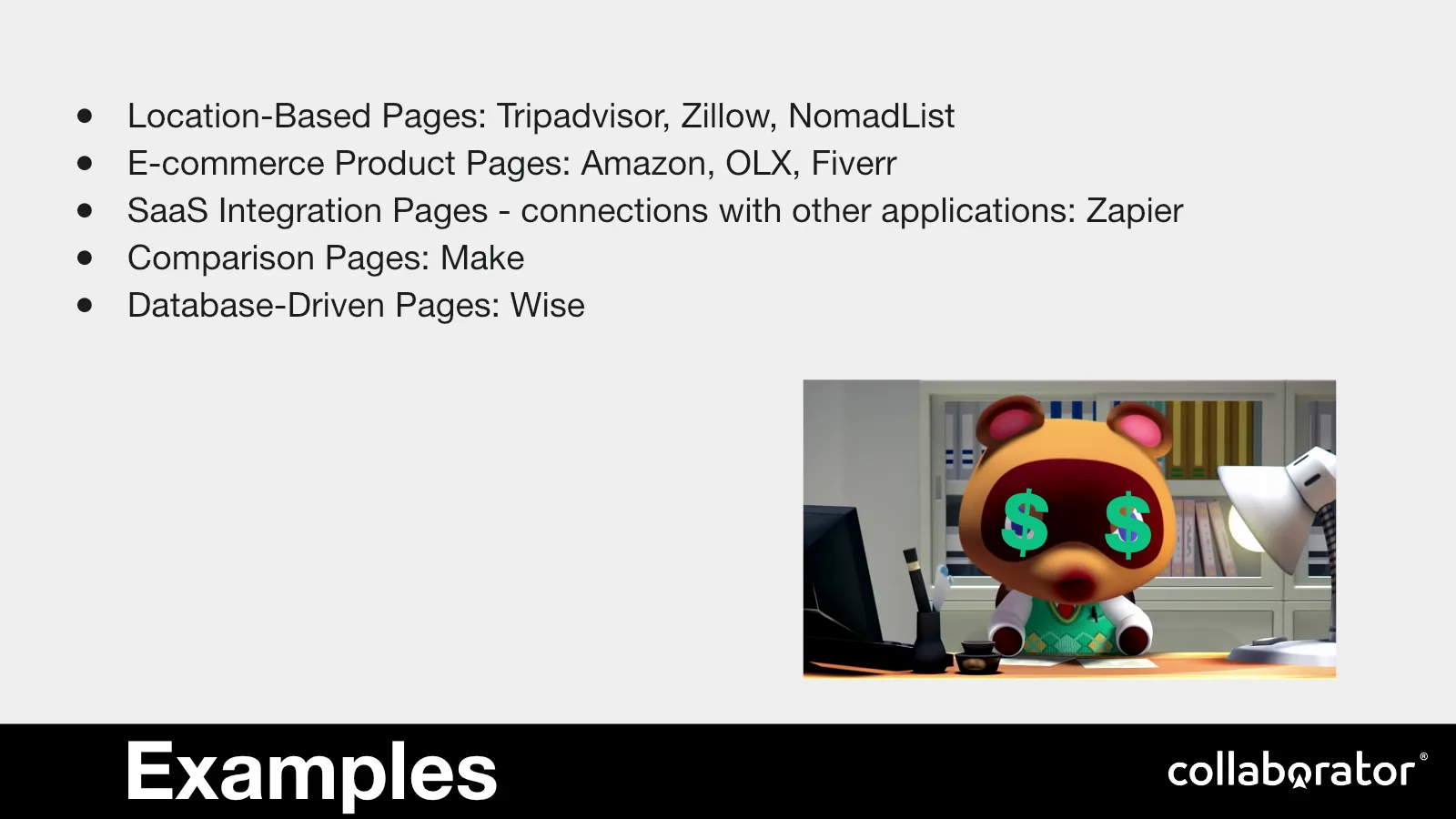
Examples: location pages, marketplace listings, integration pages, comparisons, and database-driven pages.
The repeatable entity may be a place, product, service connection, comparison, or calculated data point.

Content Data and Internal Analytics

One data stream supplies page value: inventory, prices, attributes, availability, reviews, calculations, or proprietary observations. A second stream describes performance: impressions, clicks, crawling, indexation, engagement, conversions, and revenue. The system fails when it uses only the first stream to publish and never uses the second to learn.
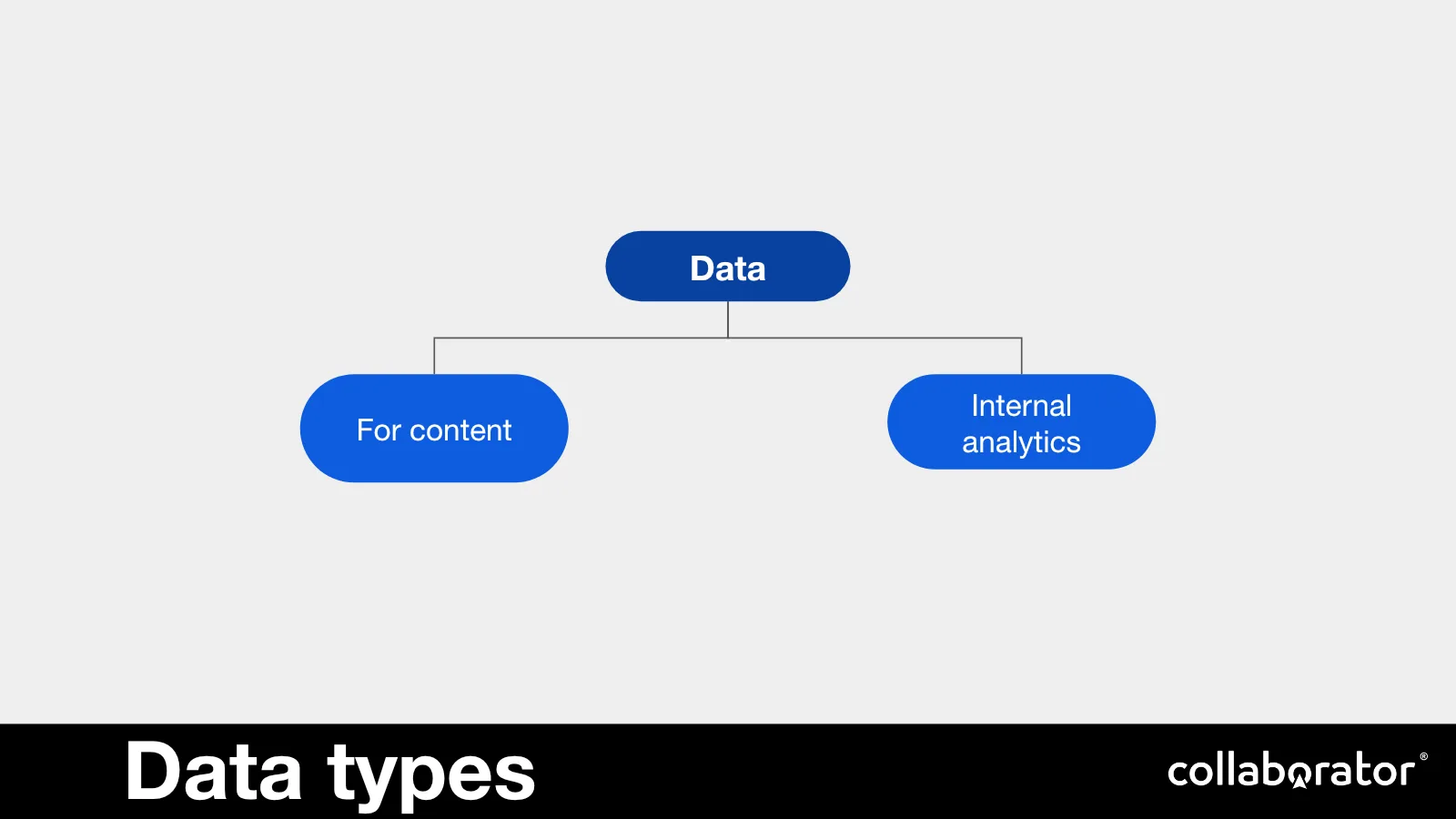

Two data types: data for content and internal analytics.
Content data powers the page; analytical data tells the team whether that page deserves to exist and how it should change.

Content enrichment as the central challenge.
Shared or templated source data must be enriched with information that answers the query better than existing results.

Enrichment can be small: generated image descriptions, a localized explanation, a useful calculation, or a transparent ranking method. It can also be a major block built from reviews or proprietary data. The test is not whether the text is technically unique, but whether the page provides additional value.

An image-search enrichment example.
Programmatic enrichment can make otherwise inaccessible media understandable to search engines and users.

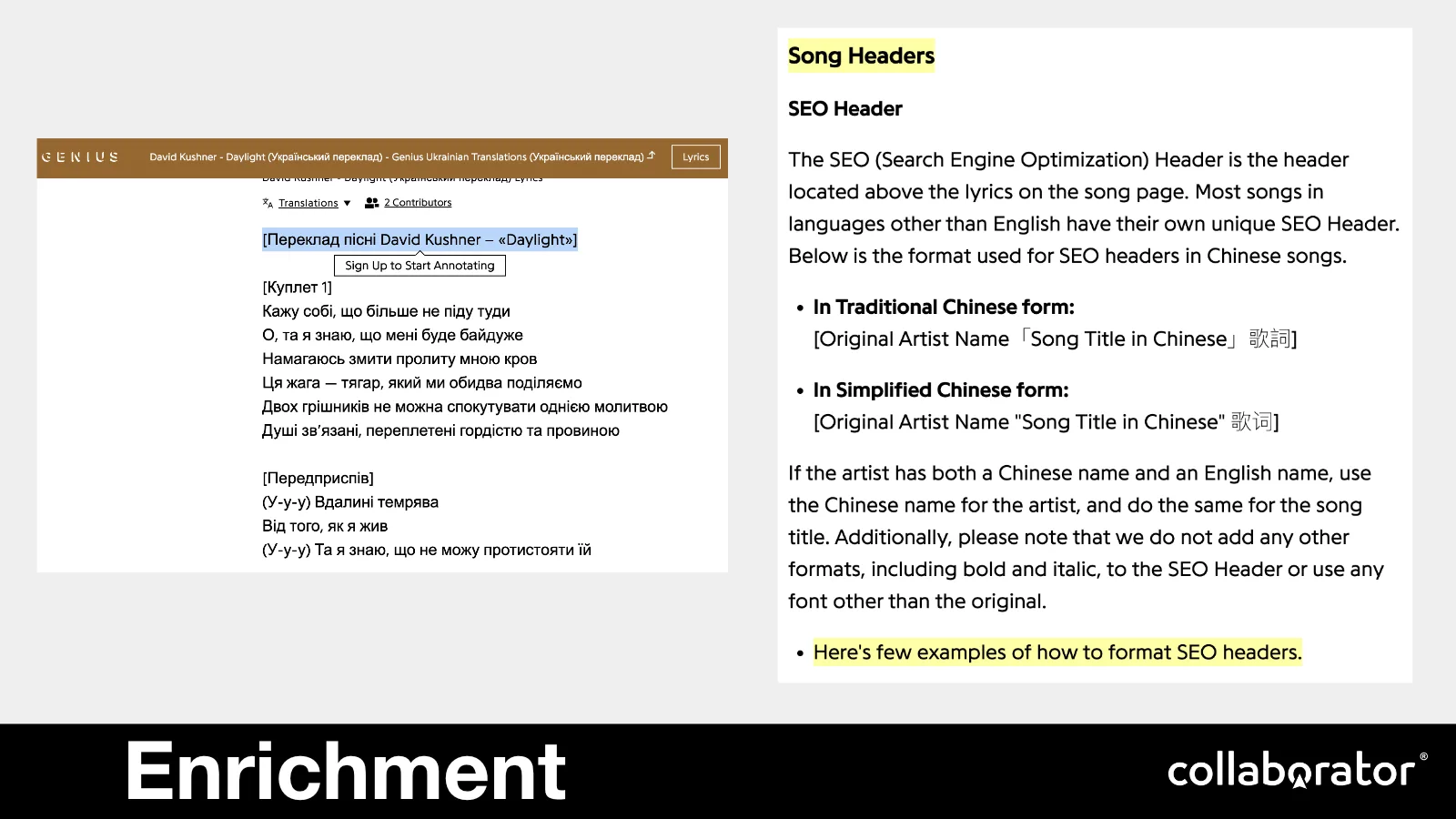
A structured content-enrichment example from a lyrics site.
Rules, moderation, and useful annotations can create value even when the interface is not fully localized.

User-generated content can help, but it is not automatically scalable. If only a tiny fraction of millions of pages receives reviews or video, it cannot be the only enrichment strategy. Design sources and checks that can cover a meaningful share of the inventory.
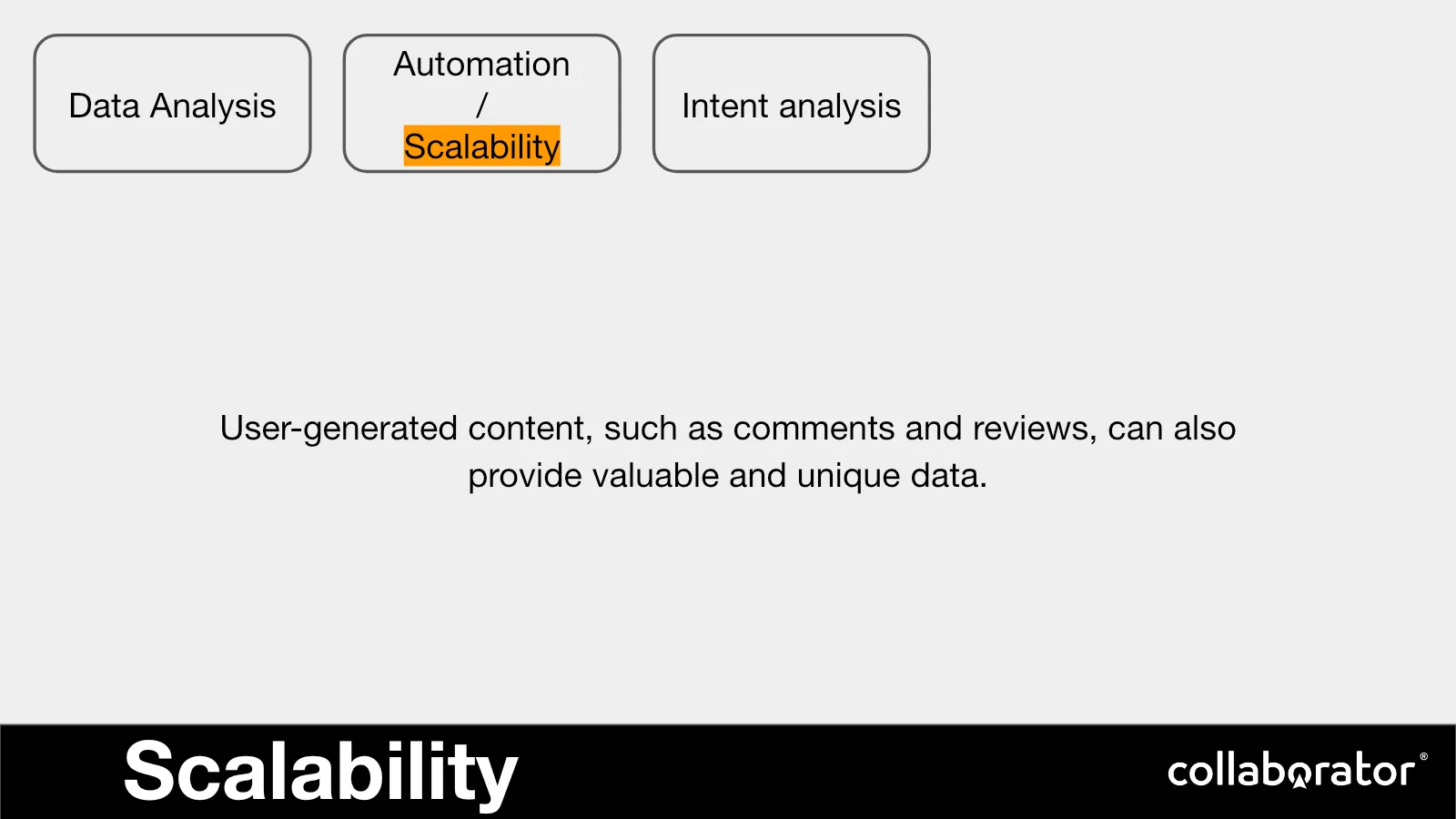
User-generated content as a potentially valuable data source.
UGC is useful when the product can collect, moderate, and distribute it at the scale of the page set.

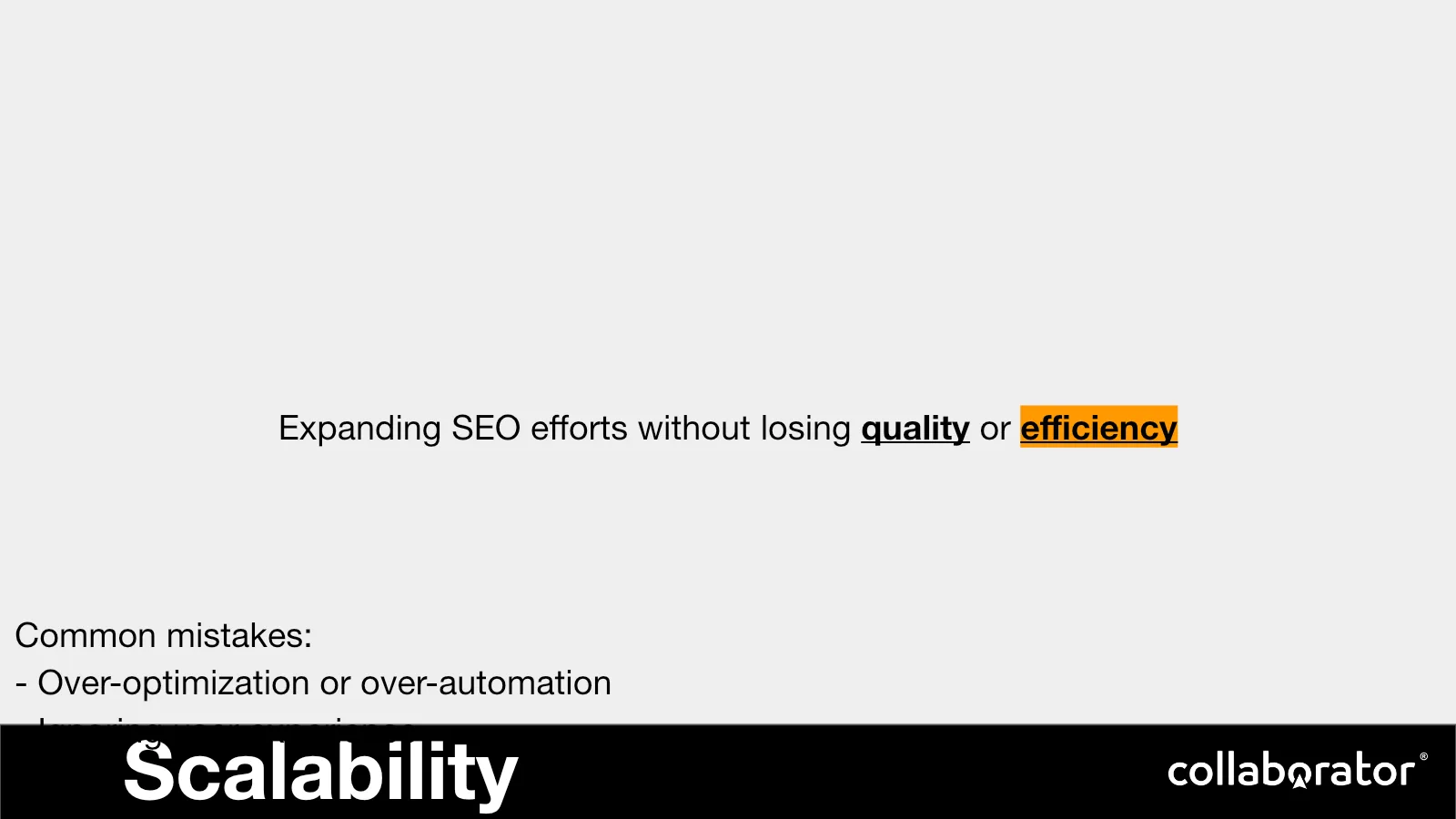
The risk of over-automation, over-optimization, and ignored user experience.
A scalable process must preserve quality and efficiency instead of multiplying broken variables or repetitive copy.

Design for Three Users

Every programmatic page serves a real visitor, Googlebot, and - directly or indirectly - a quality evaluator. Test the product as a person, verify the HTML and links available to the bot, and make the source, logic, and limitations understandable to a demanding reviewer.
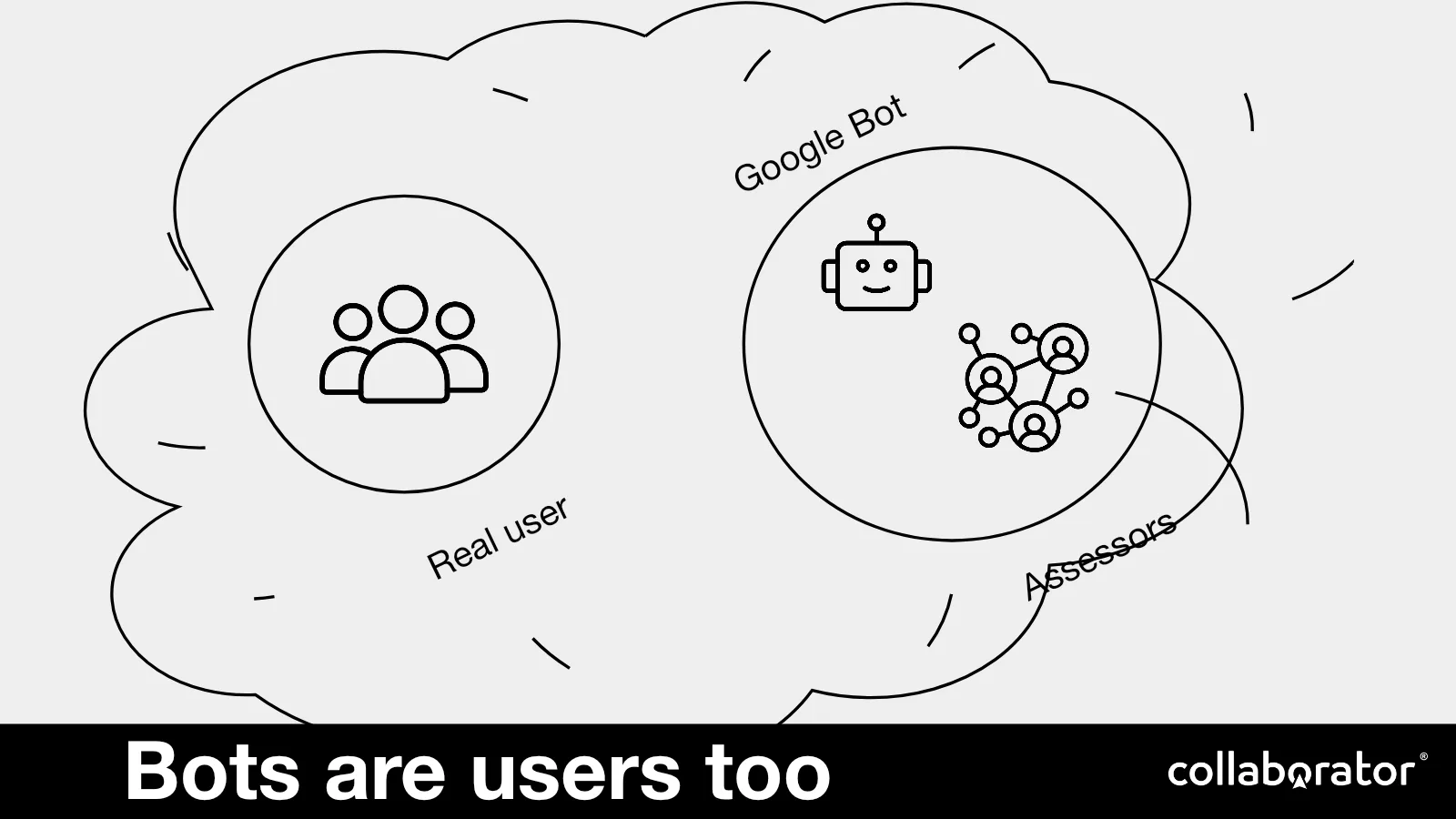
Real users, Googlebot, and assessors as three audiences.
A page can fail even when one audience is satisfied: usable but uncrawlable, crawlable but unhelpful, or useful but untrustworthy.

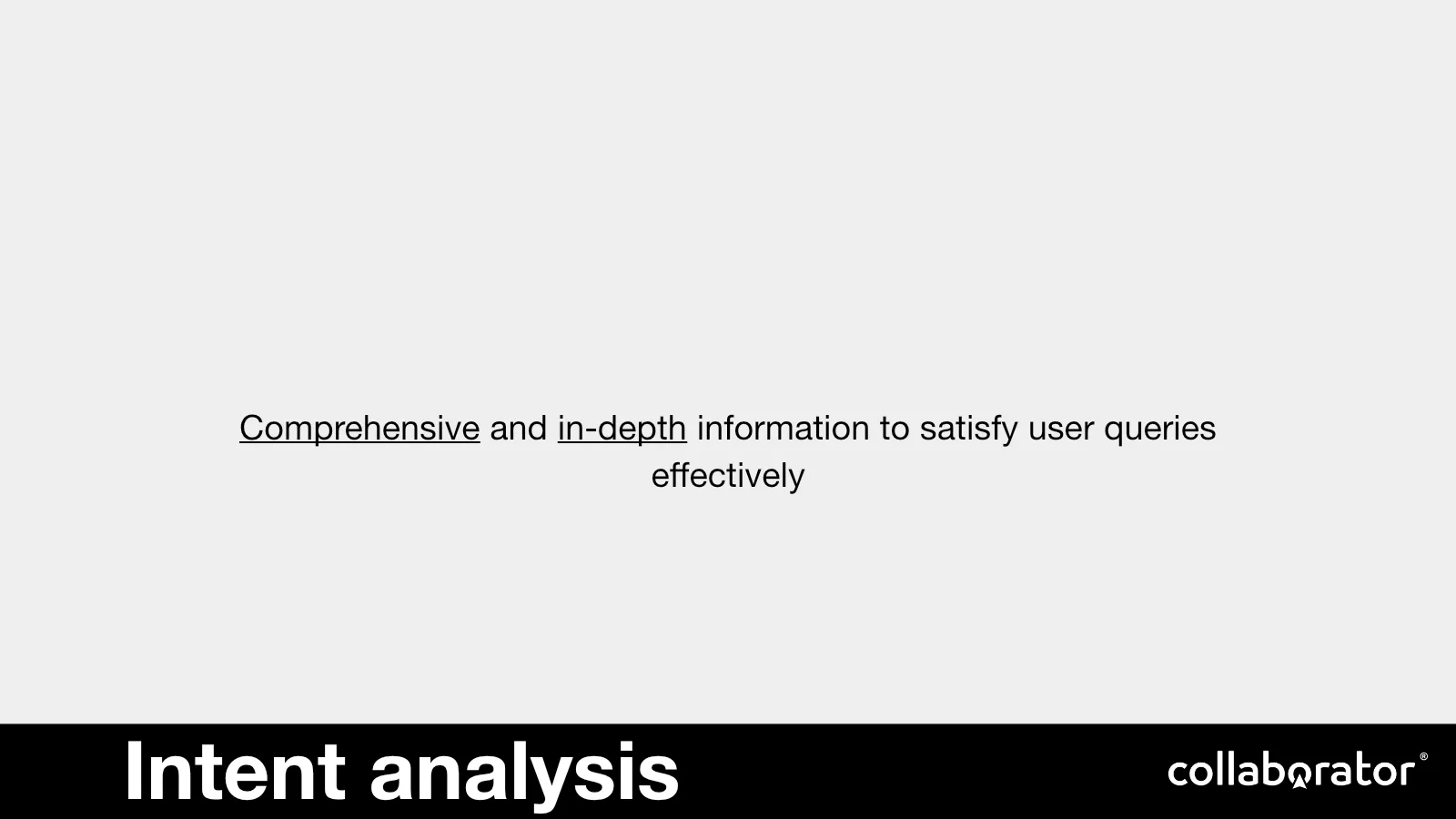
Intent analysis means providing comprehensive information that satisfies the query.
The page template should be derived from the job behind the query, not from a keyword inserted into generic text.

Analyze Content Islands, Not Just Keywords

Break competitor pages into content islands: price context, availability, popular choices, reviews, eligibility rules, FAQs, maps, or recommendations. Ask what intent each block serves and which blocks you can support with reliable data. Then look for an island you can make meaningfully better.


A competitor page decomposed into content islands.
Content islands turn a page into a set of user jobs that can be evaluated independently.

A second content-island example with specific hotel-page blocks.
The useful template emerges from the relationship between available data and the decisions a visitor needs to make.

The result as a sum of many signals.
Positioning, usefulness, transparency, technical access, and behavior combine; no single generated block guarantees success.

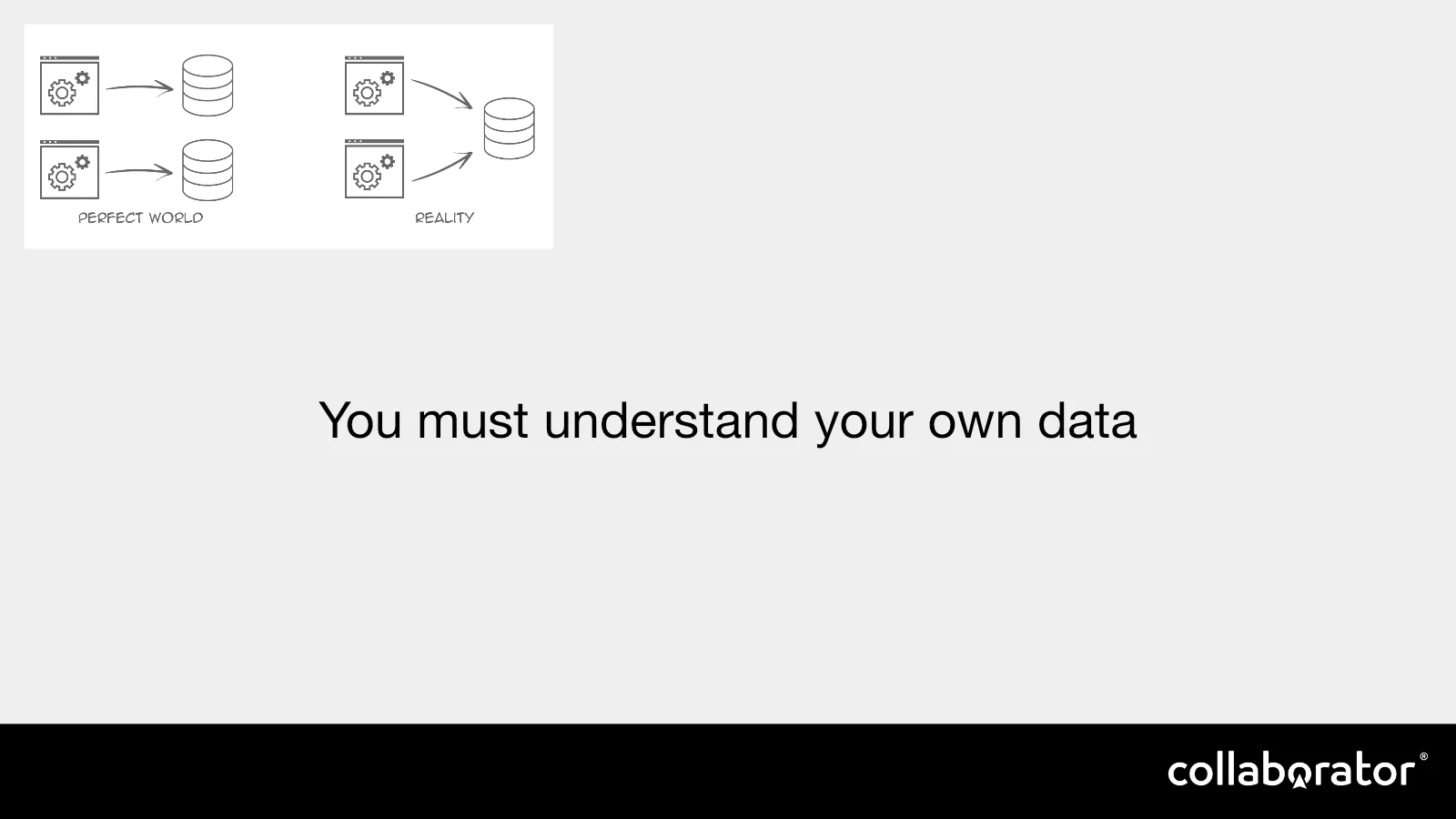
Instruction to understand your own data.
Knowing what entities and relationships exist in the product determines which scalable blocks are actually possible.

LLMs can accelerate early intent research. Give them a full-page screenshot or saved HTML, ask what jobs each block performs, and compare several ranking pages. Add quality-rater guidance or domain rules when appropriate. The output is a hypothesis list, not a substitute for source review.

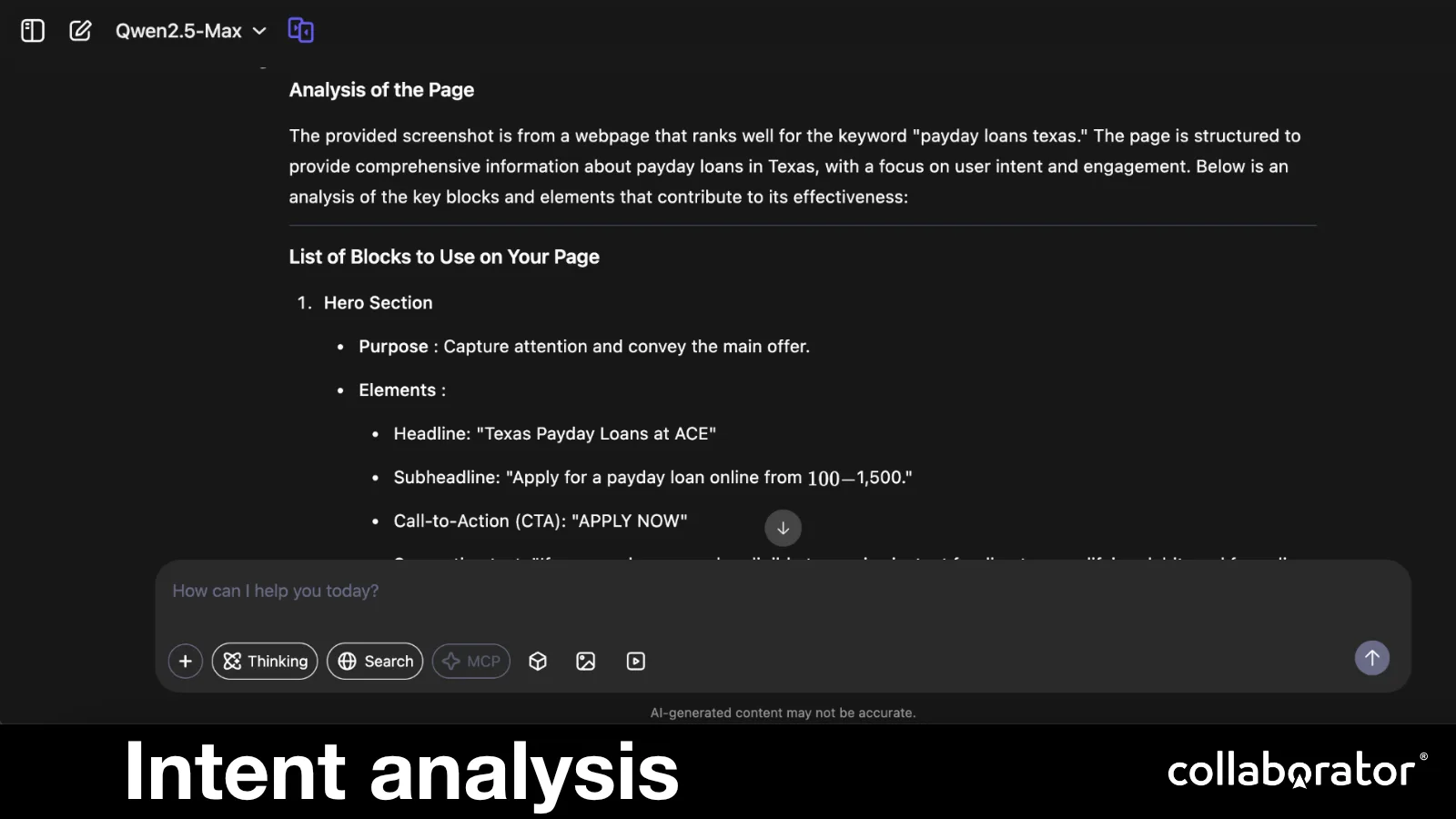
An AI-assisted competitor-page analysis.
Visual analysis can identify page sections and propose the intents they appear to serve.

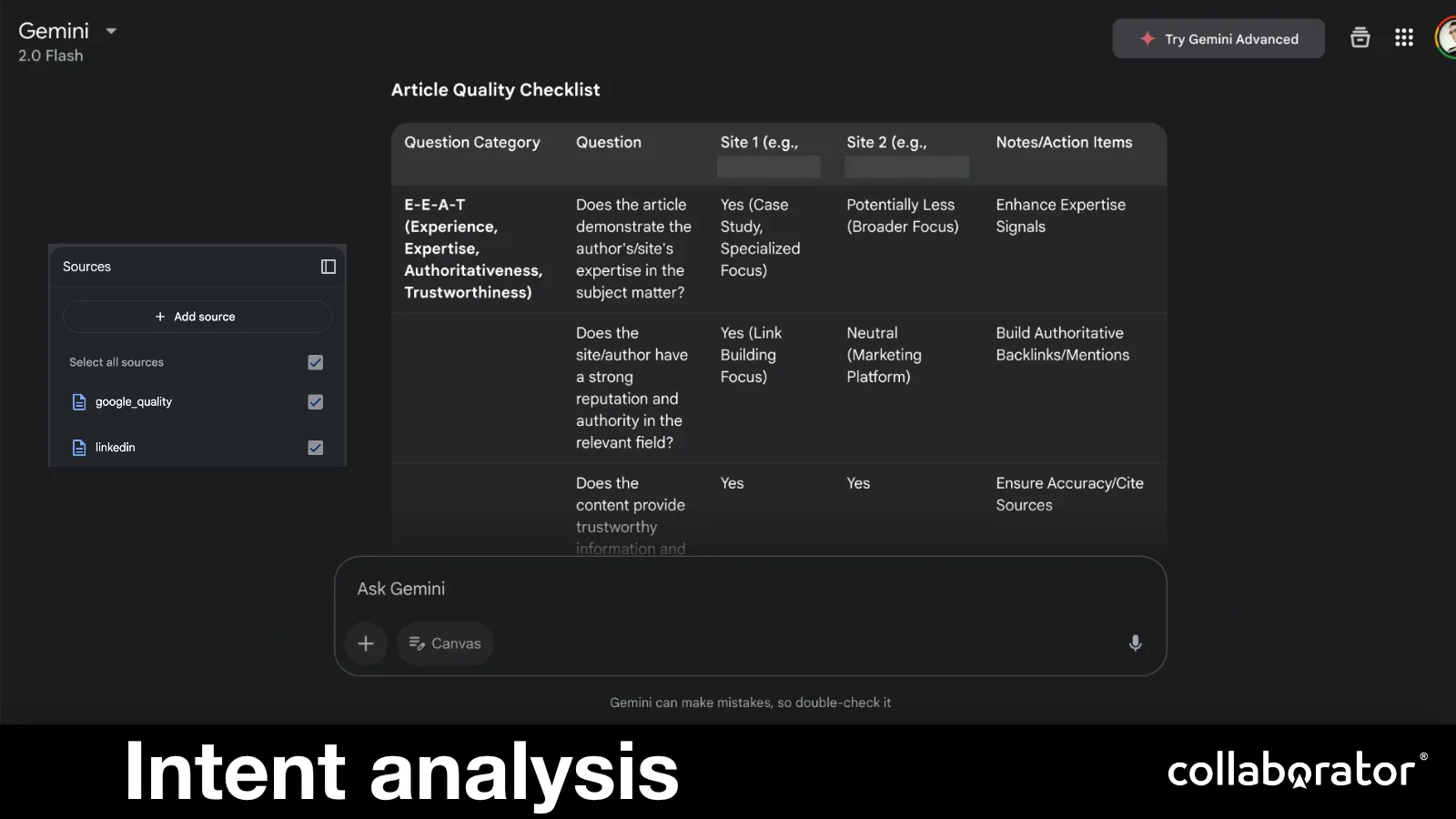
A structured prompt for analyzing the intent of a page.
A useful prompt asks for user goals, required information, trust signals, and missing coverage.

A detailed intent-analysis response.
The response becomes actionable when it connects a content requirement to a user decision.

Intent research organized into a table.
A table makes competitors, blocks, intents, evidence, and implementation feasibility comparable.

A selection of AI tools that can support research and classification.
The specific model is secondary to the bounded task, source material, and evaluation method.

Automate Collection, Then Interpret the SERP

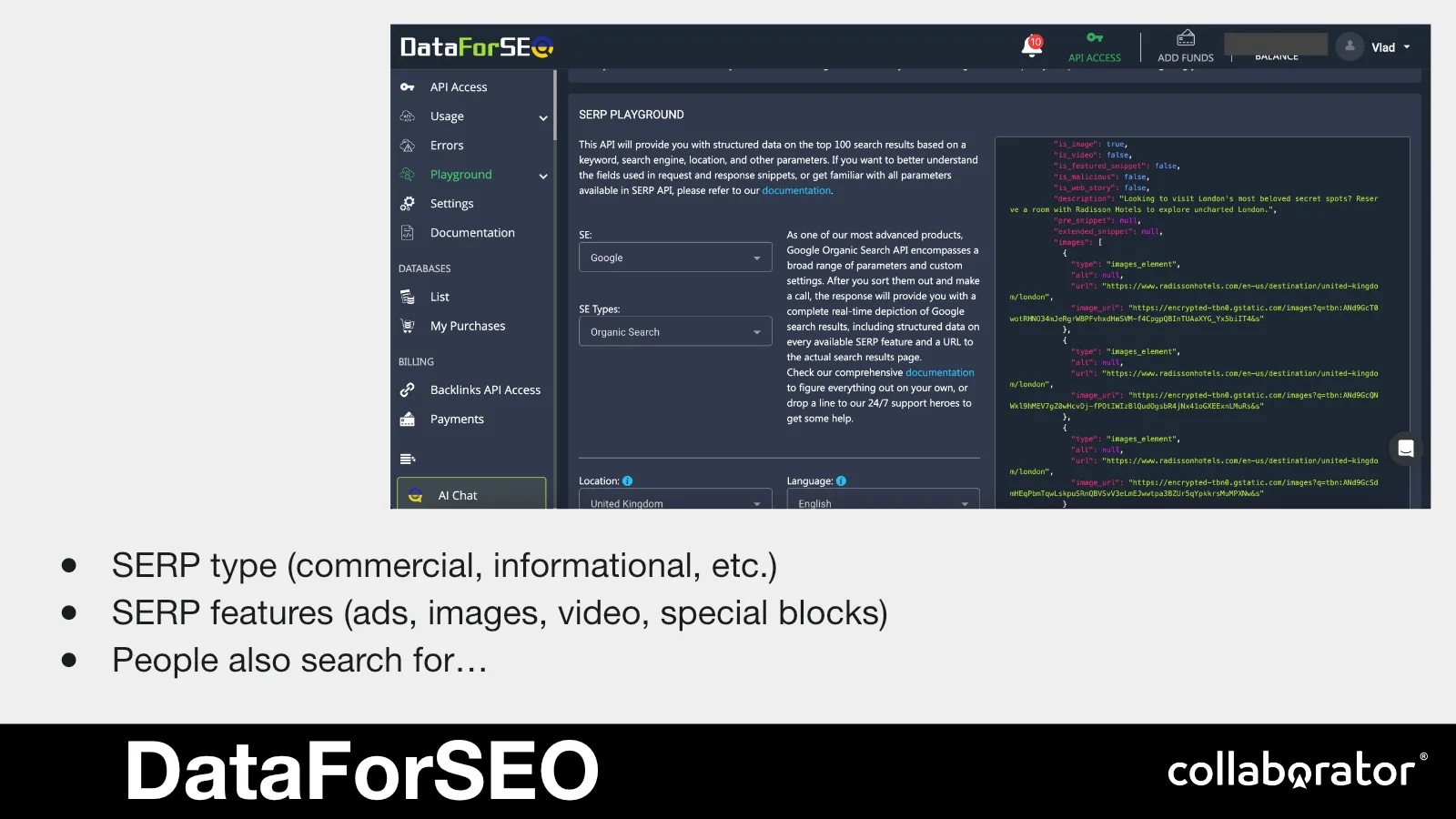
Workflow tools can connect a keyword list, SERP API, parser, and report. Collect not only ranking URLs but also intent type, ads, image and video blocks, maps, People Also Ask, and other result features. Sometimes the best opportunity is not moving a blue link from position four to two, but earning the image block that appears above it.
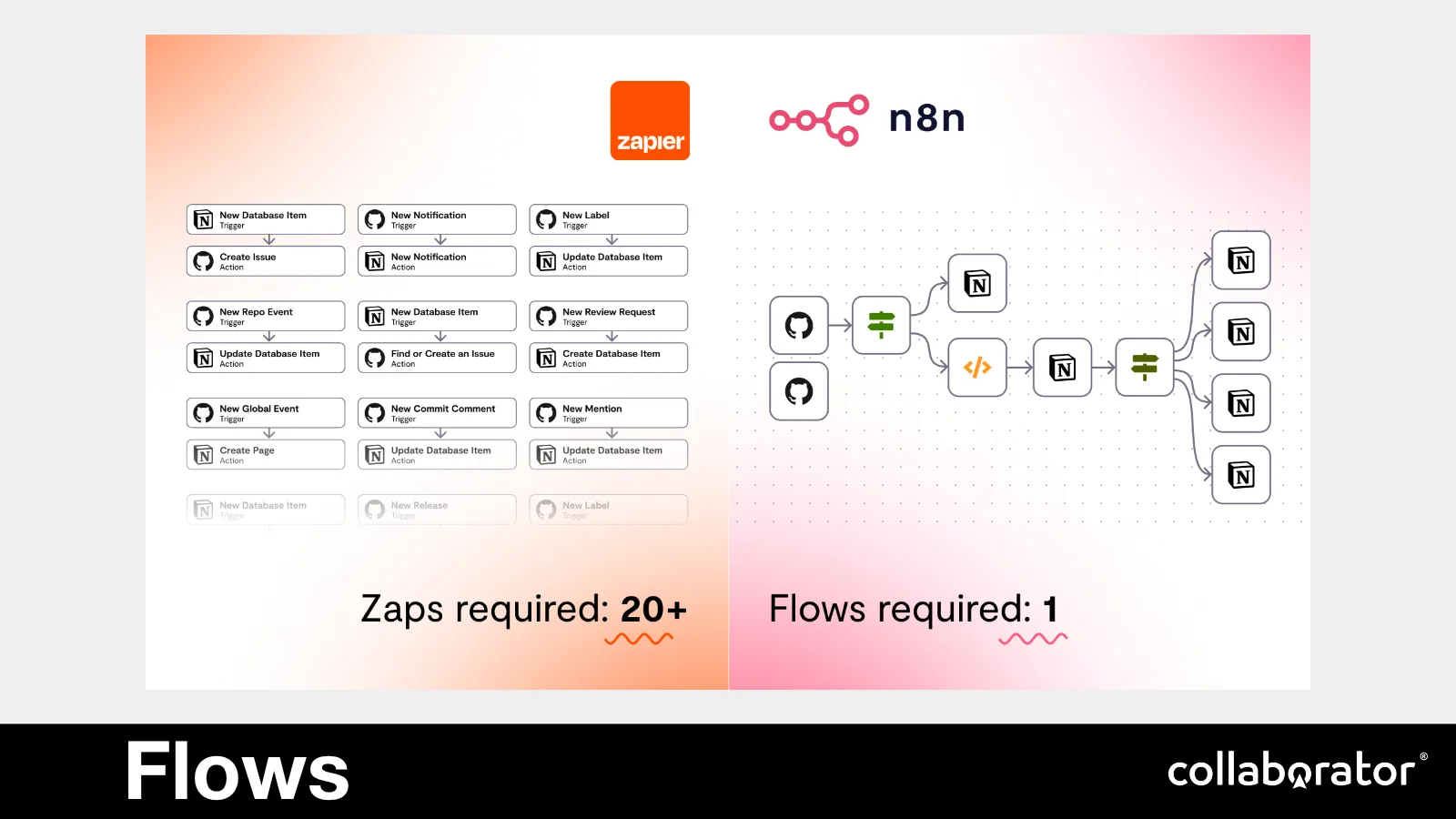
An automated multi-step flow.
Workflow automation makes repeated collection reproducible and reduces manual transfer between services.

SERP data from DataForSEO, including intent and special-result features.
A modern SERP is a layout of competing result types, not a simple list of ten links.

Engagement and Iteration

For large templated sites, user response is a critical signal. A page that technically matches a keyword but sends the visitor back immediately is not finished. Measure engagement and conversion by template, market, device, and content completeness.
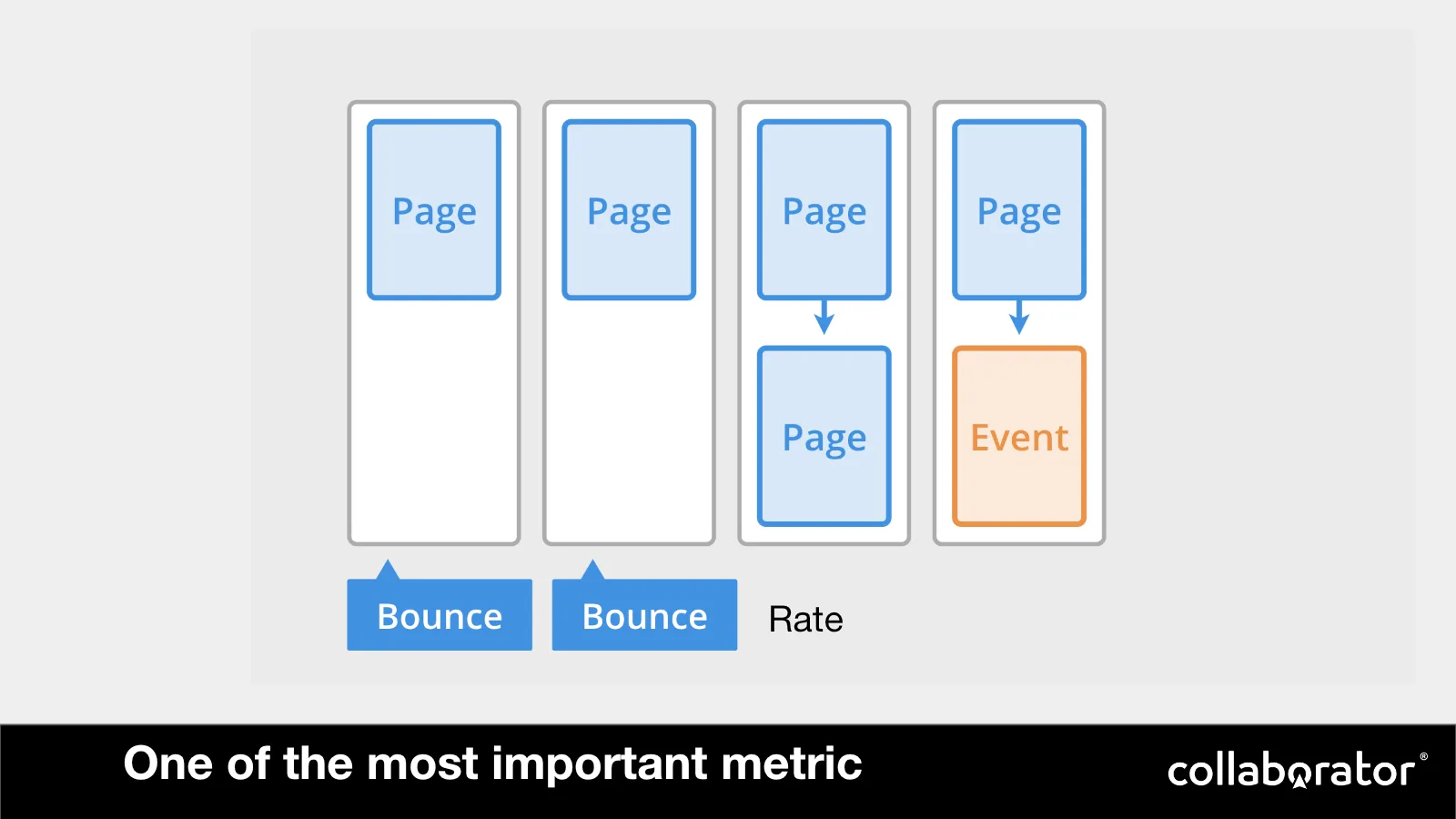
Bounce rate highlighted as one of the most important metrics.
Behavior should be analyzed by comparable page groups rather than as one site-wide average.

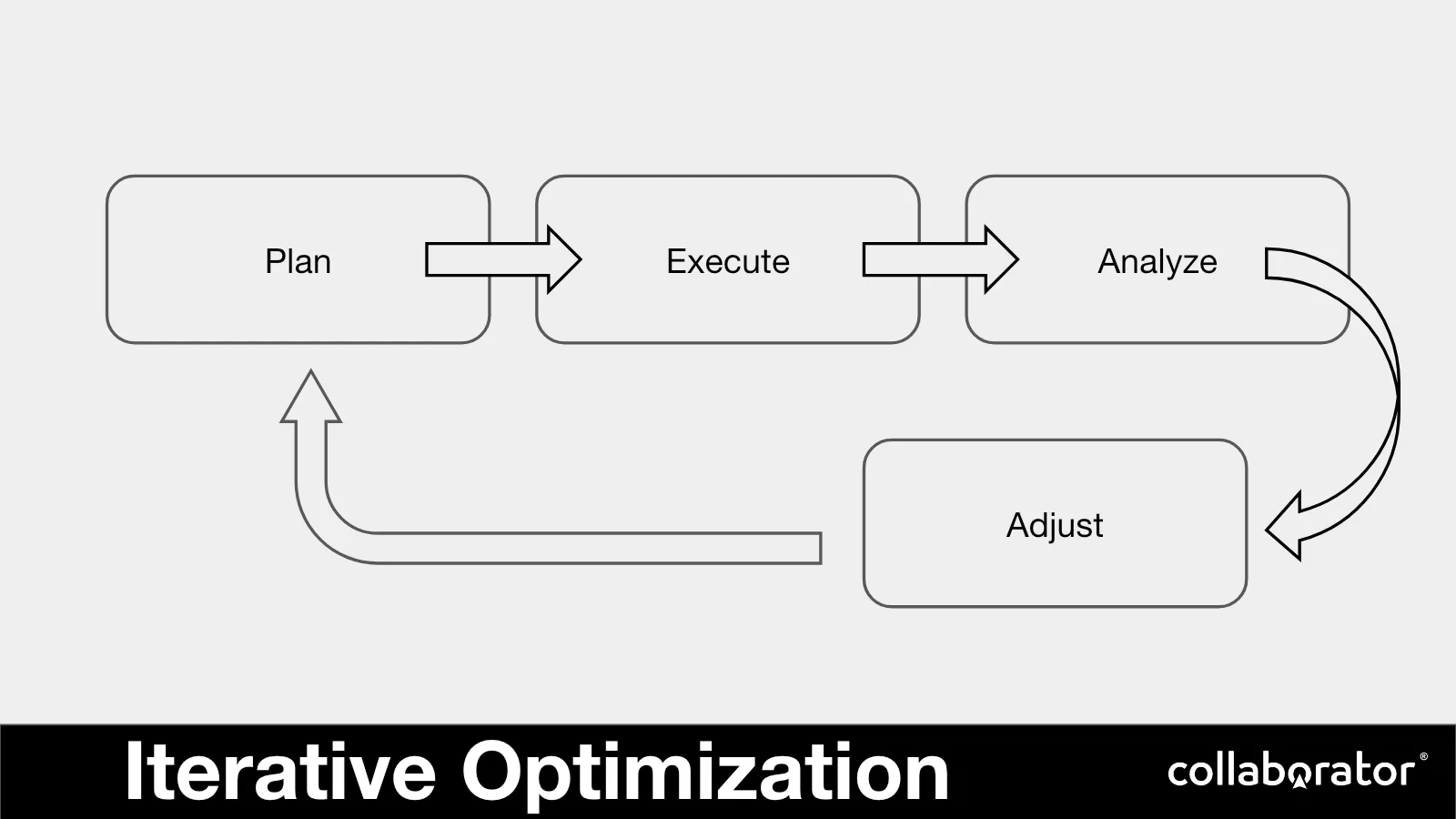
The iterative loop: plan, execute, analyze, adjust.
Programmatic SEO is a recurring optimization loop, not a one-time generation project.

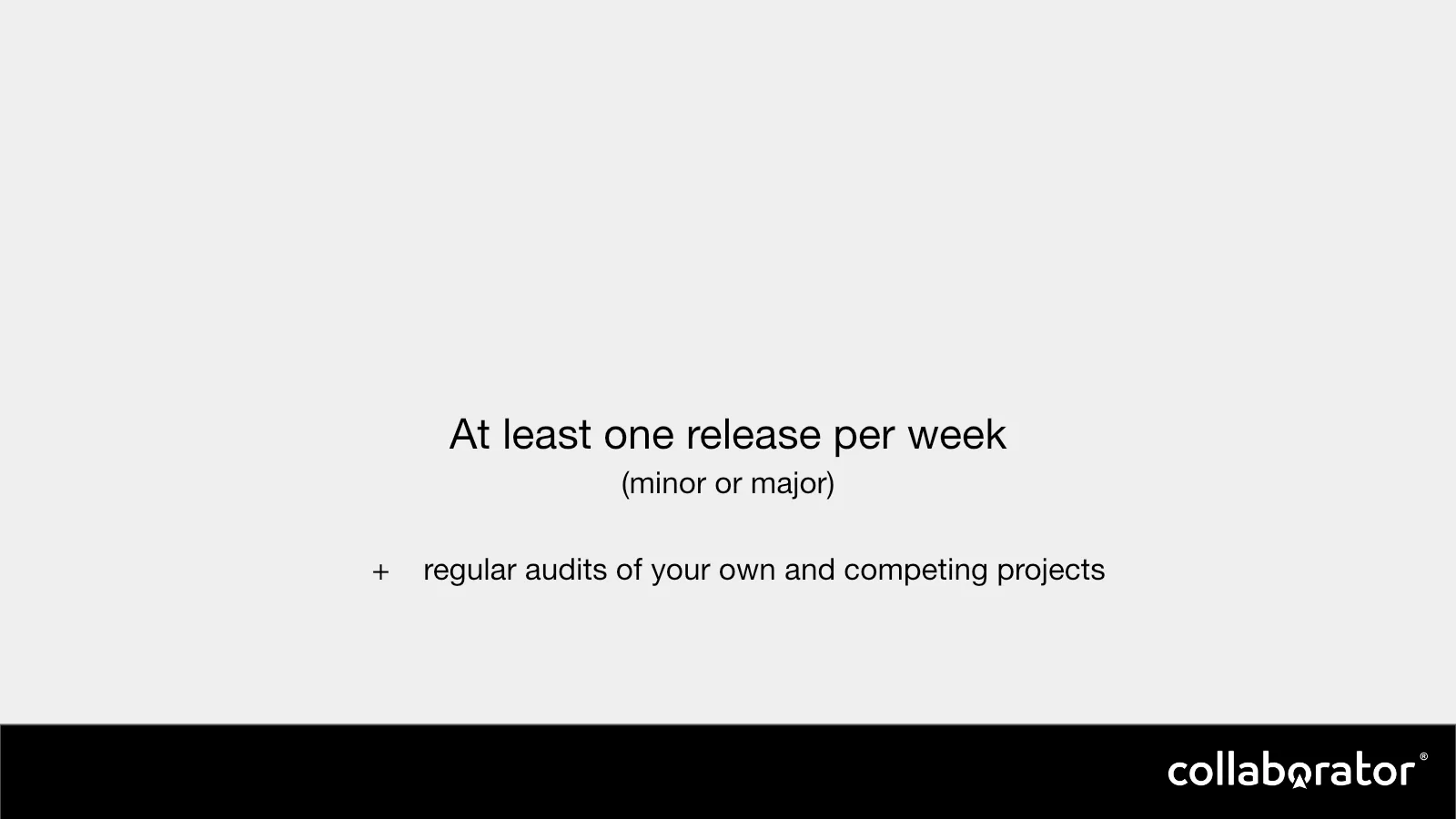
Recommendation to ship at least one minor or major release per week and audit regularly.
Frequent controlled releases shorten the learning cycle on sites where crawling and measurement already take time.

Prioritize with ROI and ICE

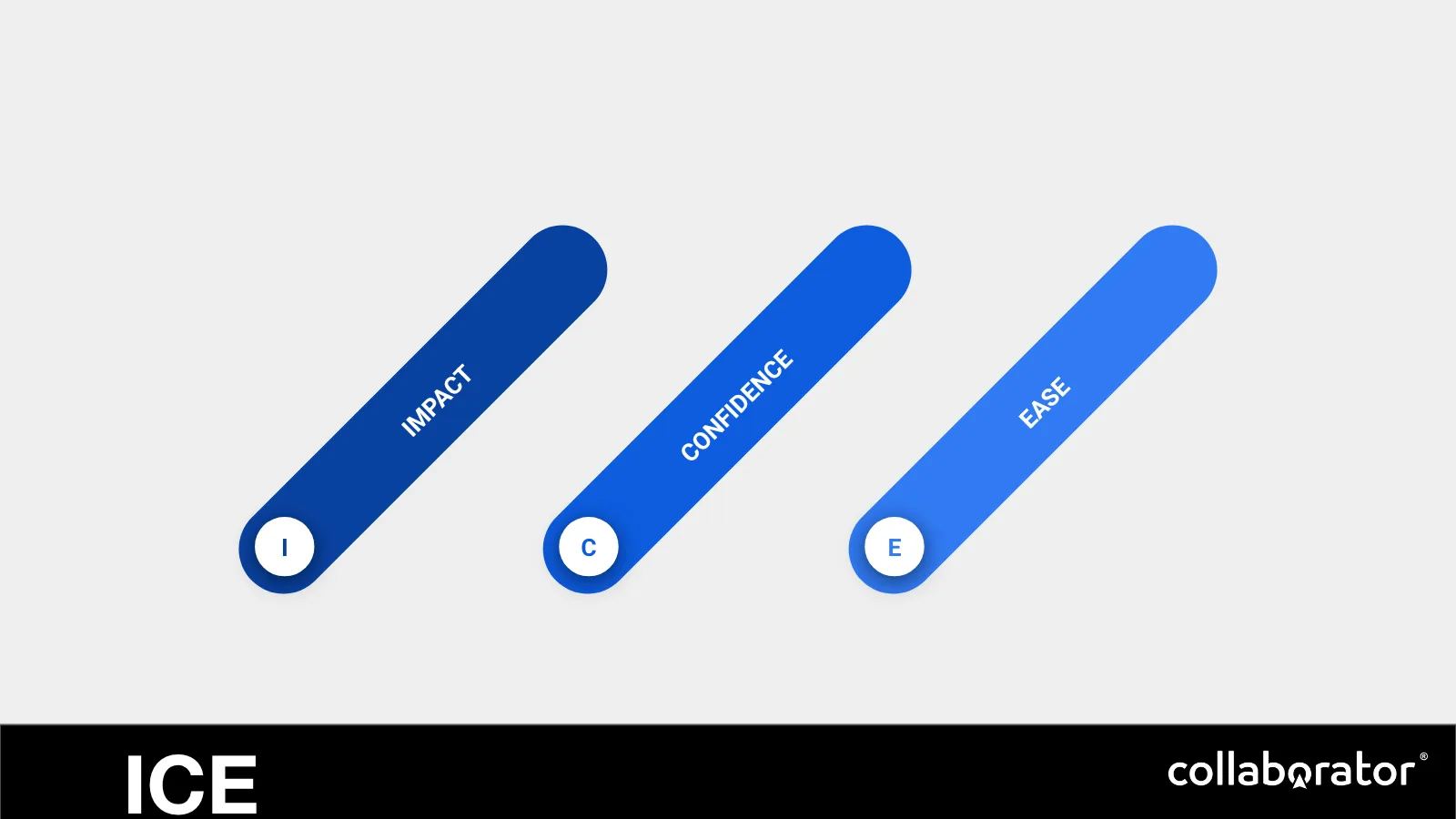
SEO work consumes design, engineering, content, and analytical capacity. Estimate the potential gain and implementation cost. Then score impact, confidence, and ease. A theoretically correct task with low reach or impossible implementation may be less valuable than a smaller change that can ship and be measured.
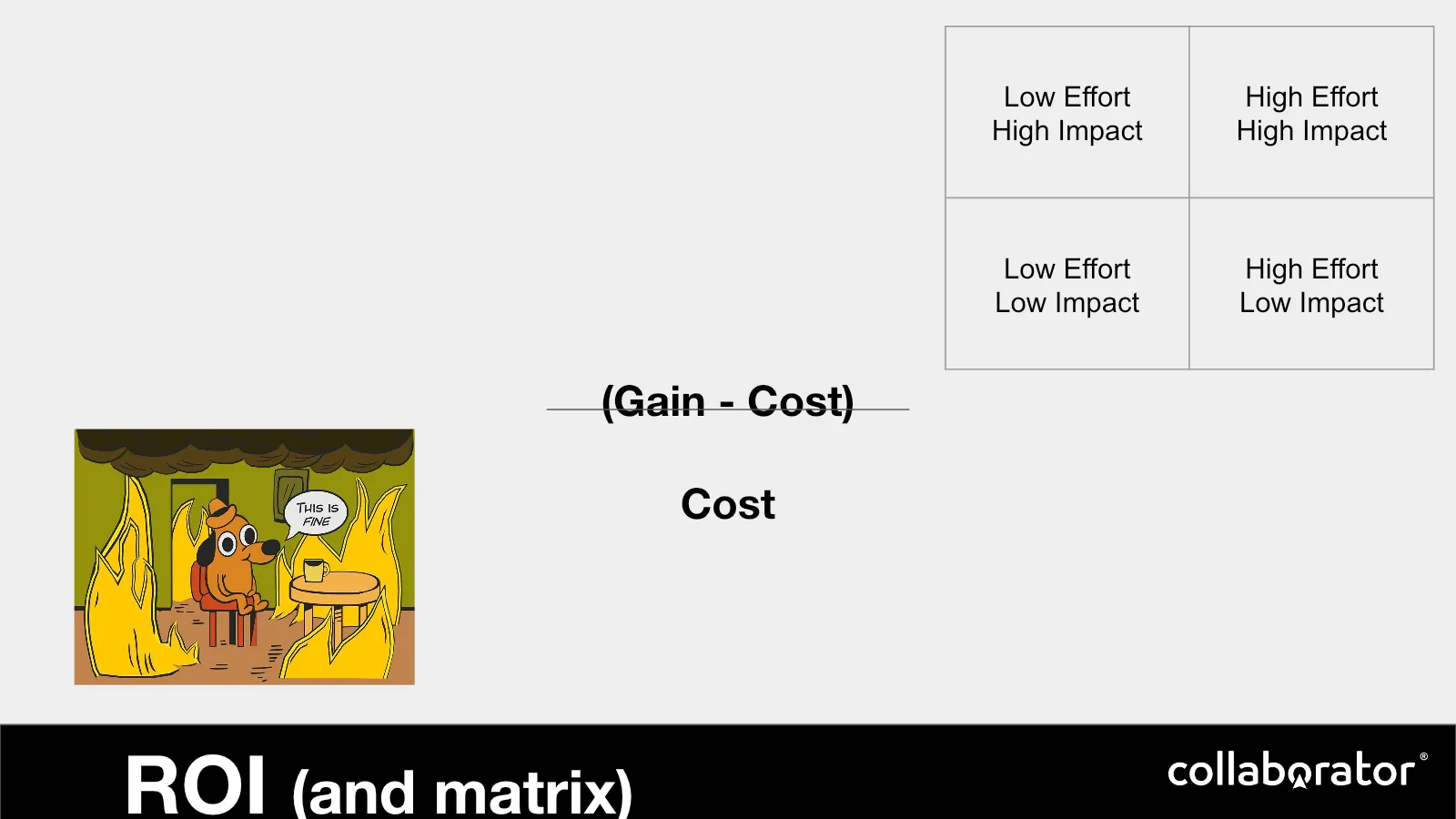
ROI formula and an impact-effort matrix.
Prioritization connects expected gain to cost and separates high-impact opportunities from expensive distractions.

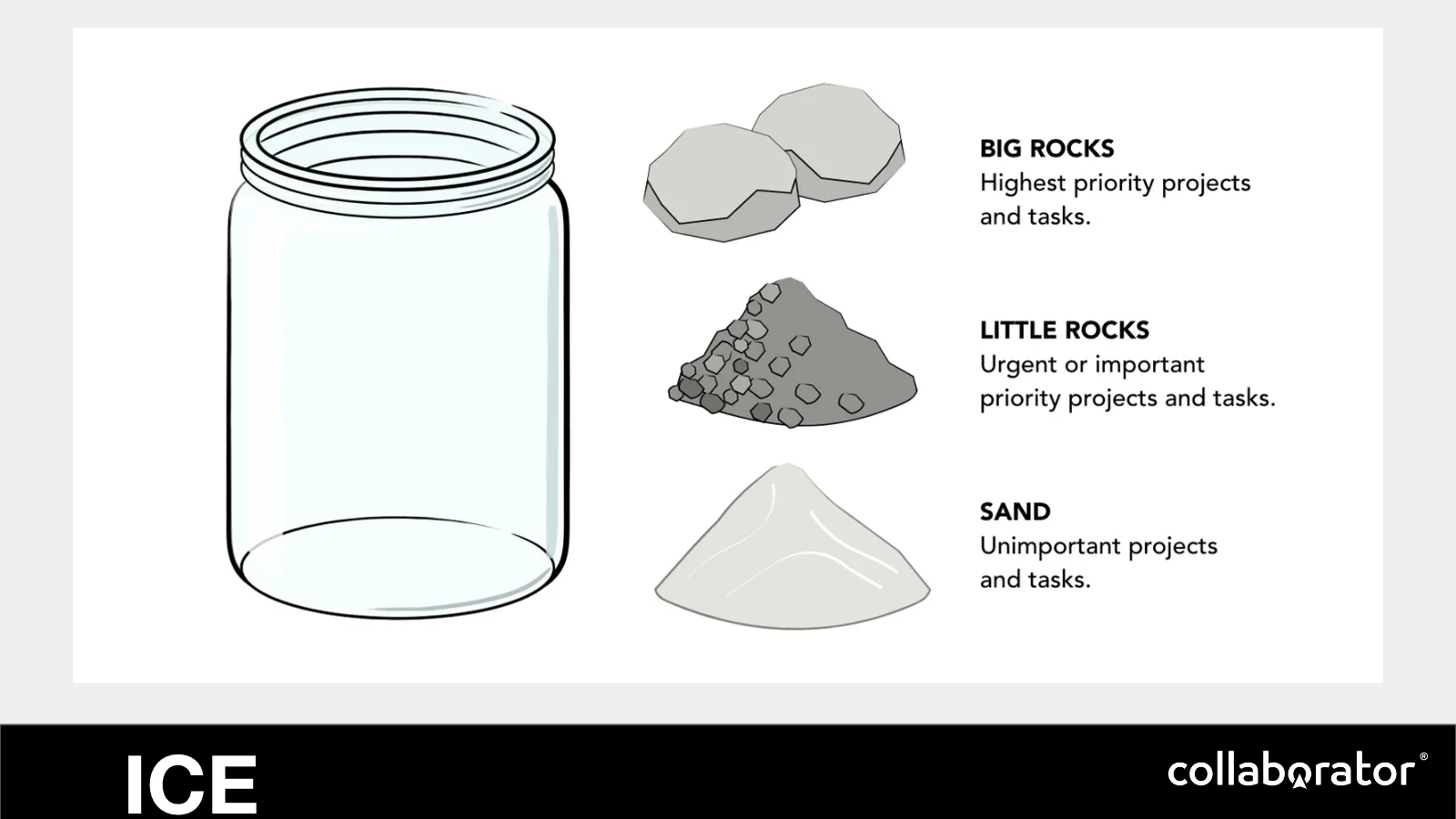
ICE: impact, confidence, and ease.
ICE forces the team to distinguish potential upside from evidence strength and delivery difficulty.

A jar filled first with big rocks, then smaller material.
Schedule the high-value work first; minor optimizations should fill remaining capacity rather than displace it.

Make Indexation a Product Metric

Compare indexed pages with the pages the product intends search engines to find. A high ratio suggests that templates meet a minimum quality and accessibility threshold. A huge “crawled, currently not indexed” or “discovered, currently not indexed” segment points to weak content, duplication, crawl prioritization, or entire page groups that Google has learned to ignore.
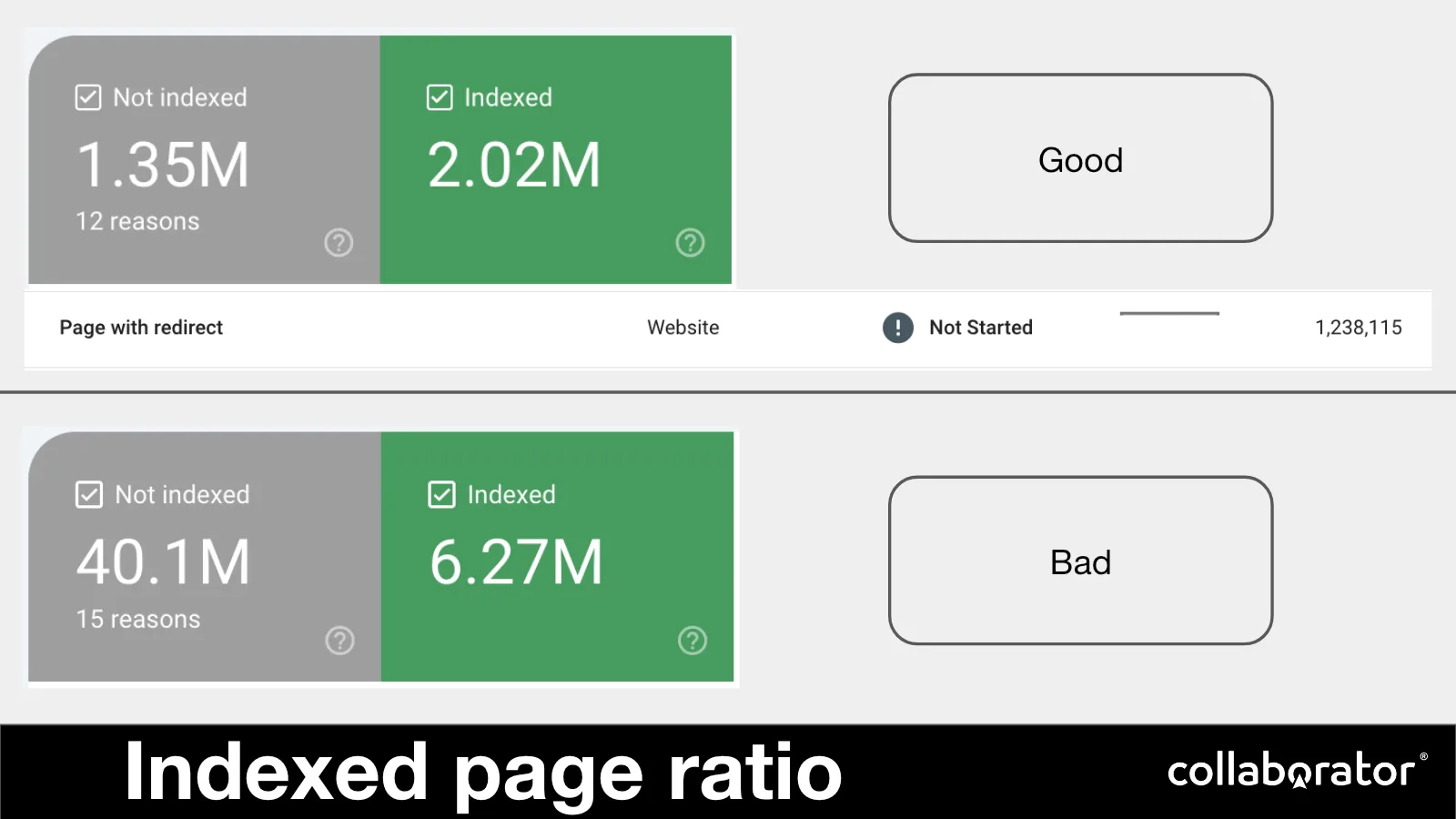

Good and bad indexed-page ratios.
The indexed-to-eligible ratio is a compact health metric for large page inventories.

Less waste means more effective pages.
After major quality updates, removing or improving weak page groups can be more valuable than publishing more URLs.

Check generated content mechanically. Validate variable ranges, parse representative batches, and measure near-duplicates. Sample output manually and, where appropriate, run a second model as a reviewer - but keep deterministic tests for facts such as price, currency, and availability.
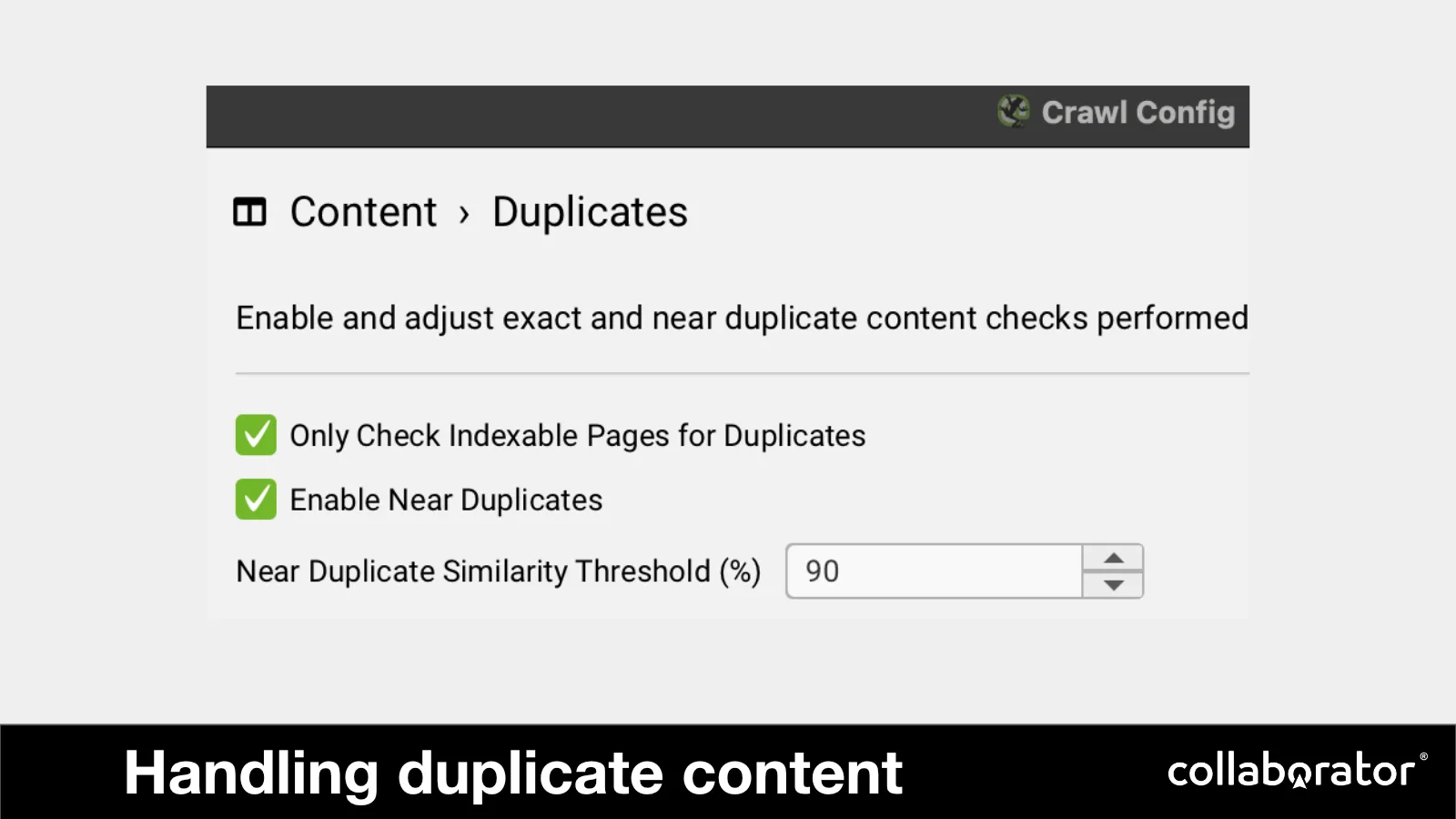
Duplicate-content checks in a crawler.
A bounded crawl can expose broken generation, thin output, and duplicate templates before a full rollout.

Cluster pages by language, template, content completeness, seasonality, region, or another property tied to behavior. Site-wide averages hide the group that is failing.
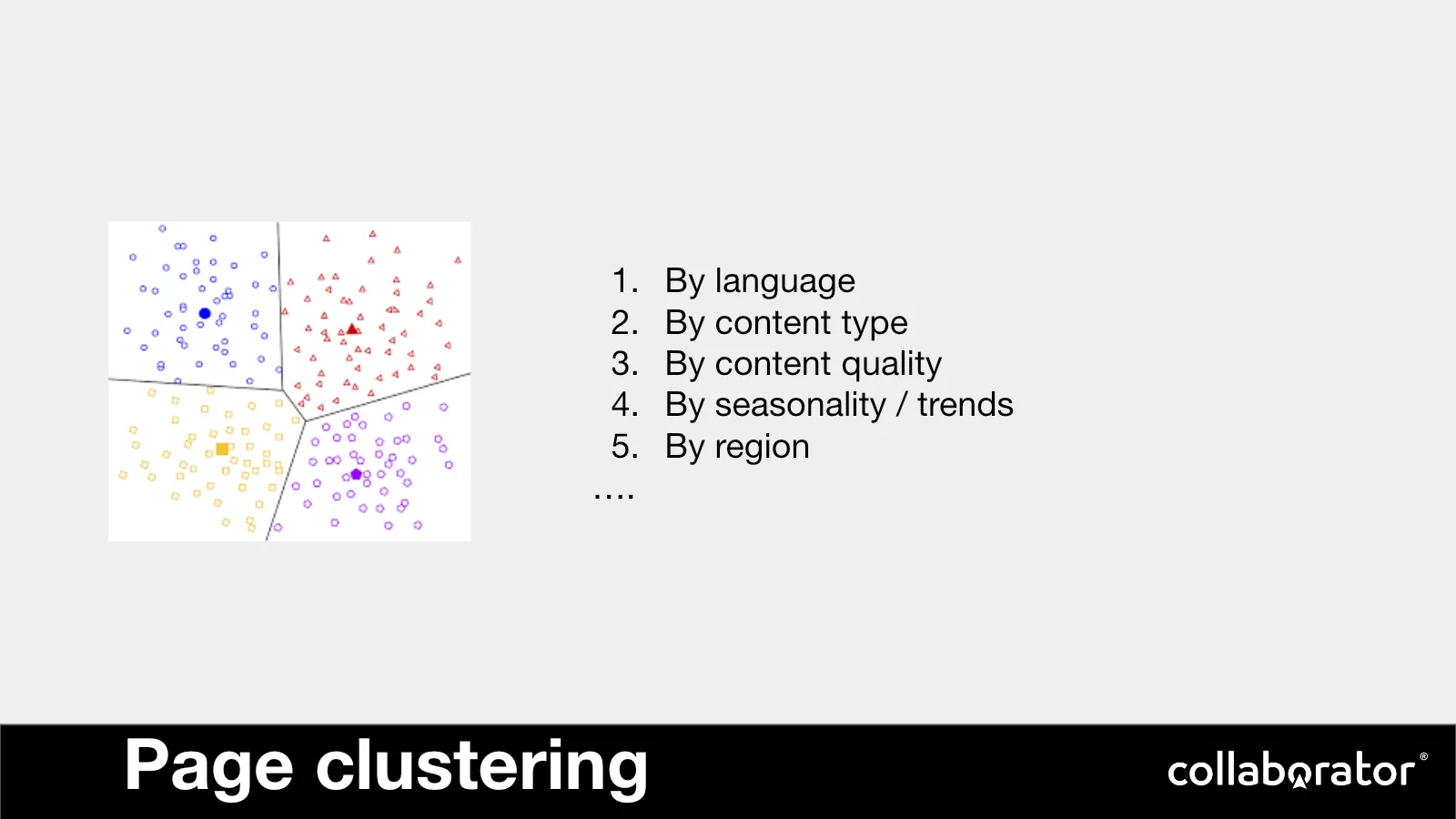
Ways to cluster pages for analysis.
Clusters create comparable cohorts for monitoring, testing, and indexation decisions.

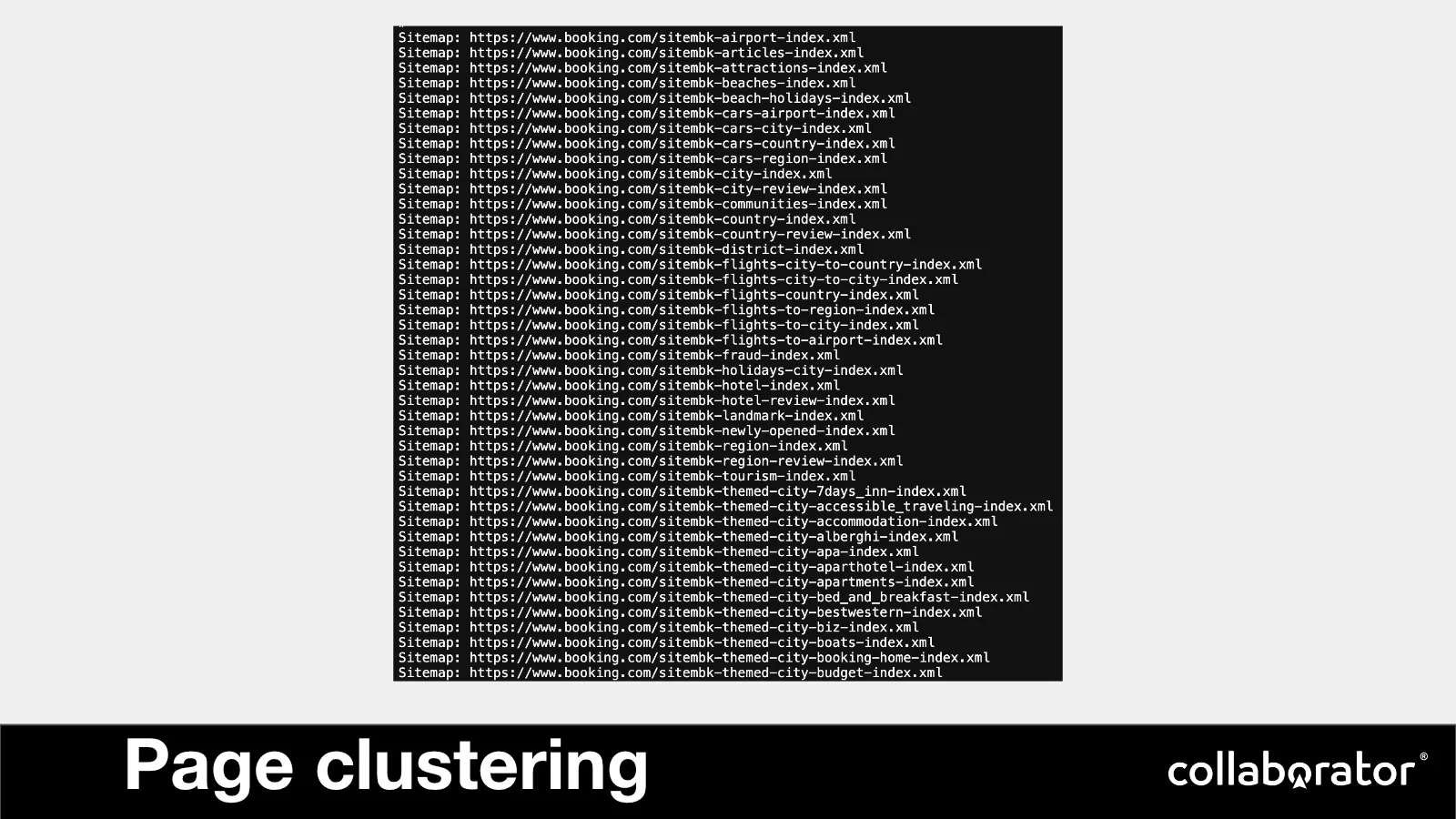
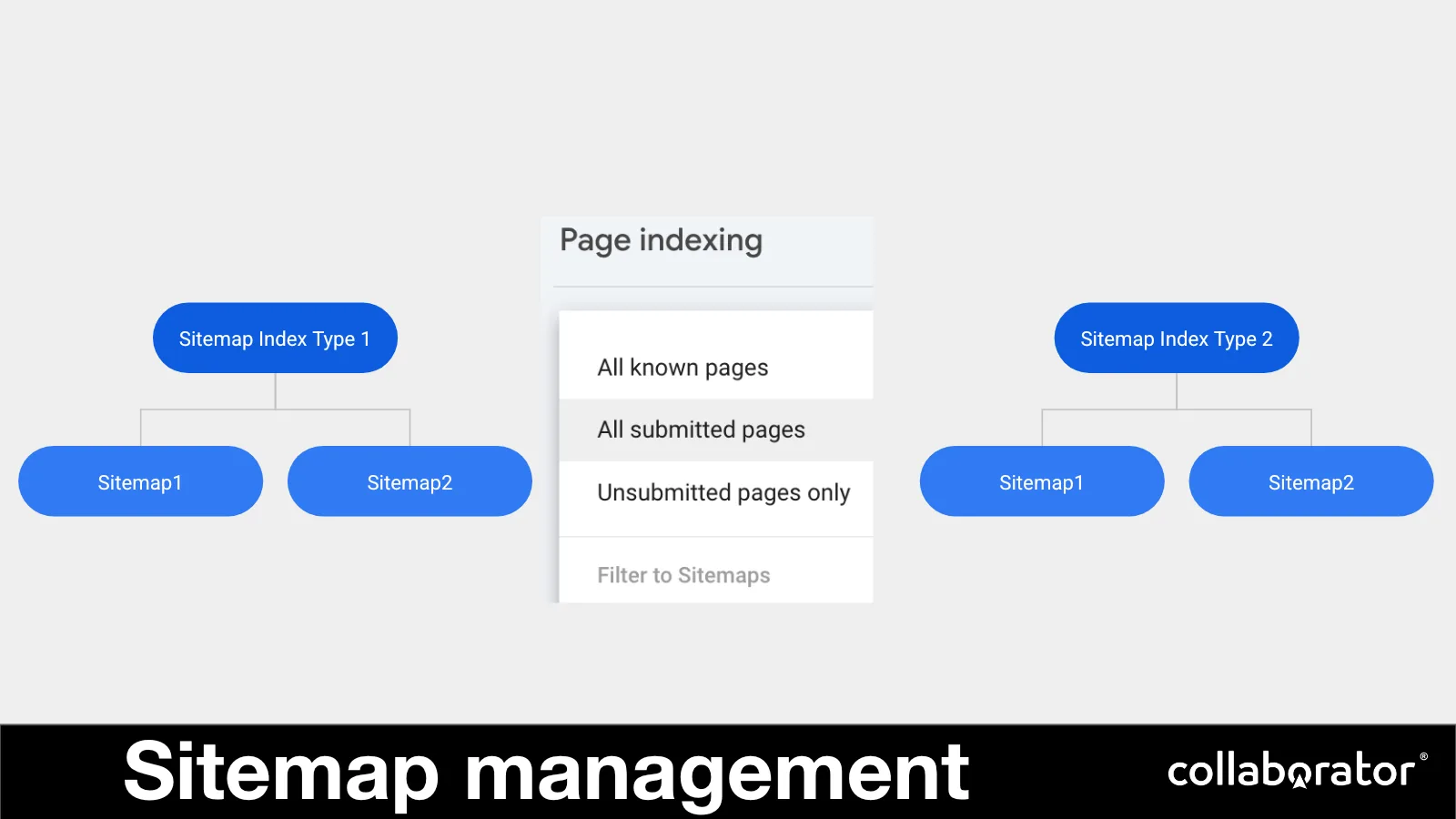
Sitemap indexes used to separate and monitor page groups.
Separate sitemaps make discovery and indexation measurable for each important cluster.

A page-clustering output.
Data-driven clusters help locate patterns that do not align neatly with URL folders.

The promise of finding diamonds in a large inventory.
Segmentation reveals small high-performing groups that an aggregate report would bury.

Improve Data Completeness

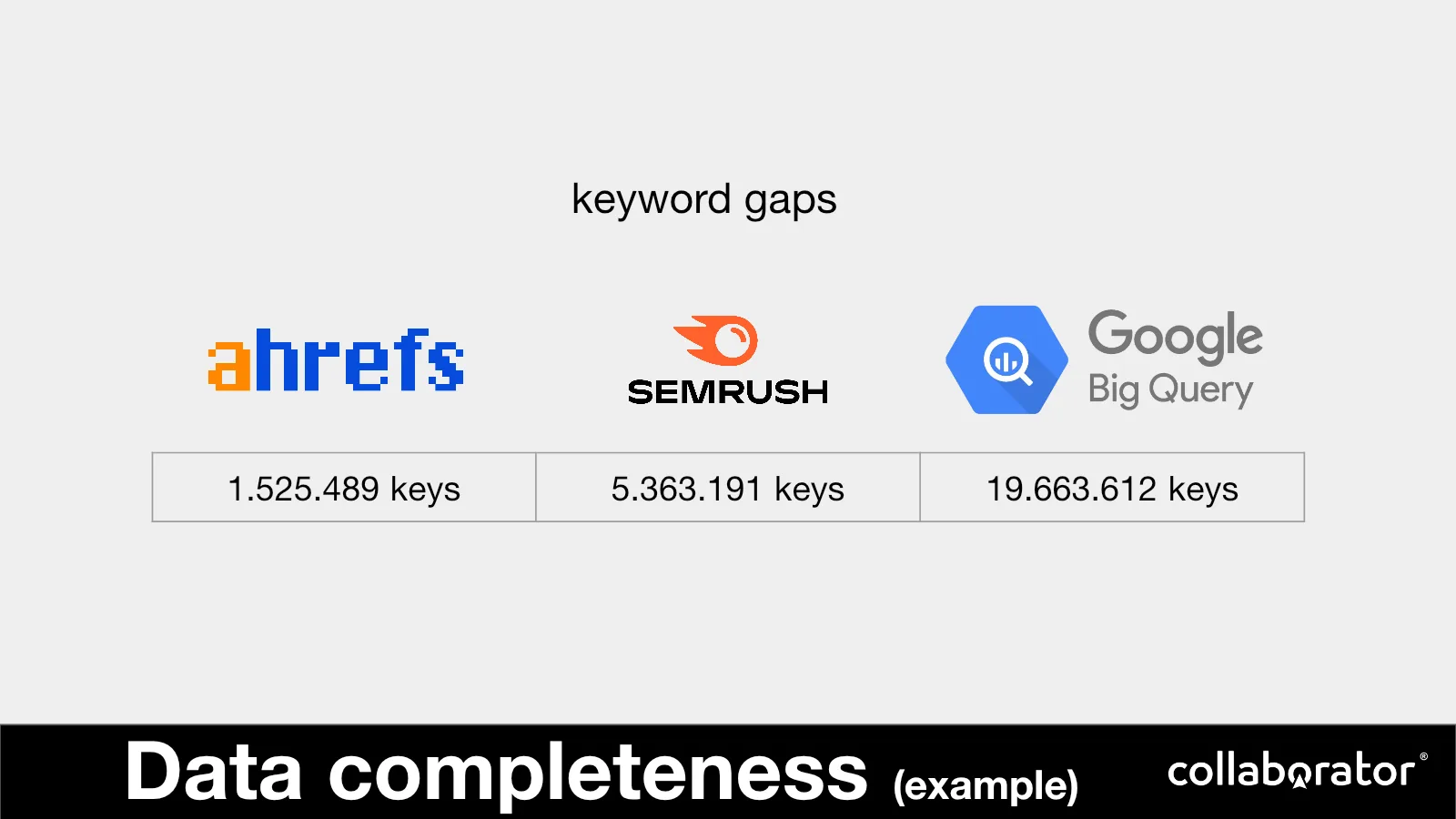
Folder filters in Search Console may undercount a section. URL-prefix properties, bulk export, and page-level joins provide a more complete picture. Third-party keyword databases also miss much of the long tail visible in first-party data.
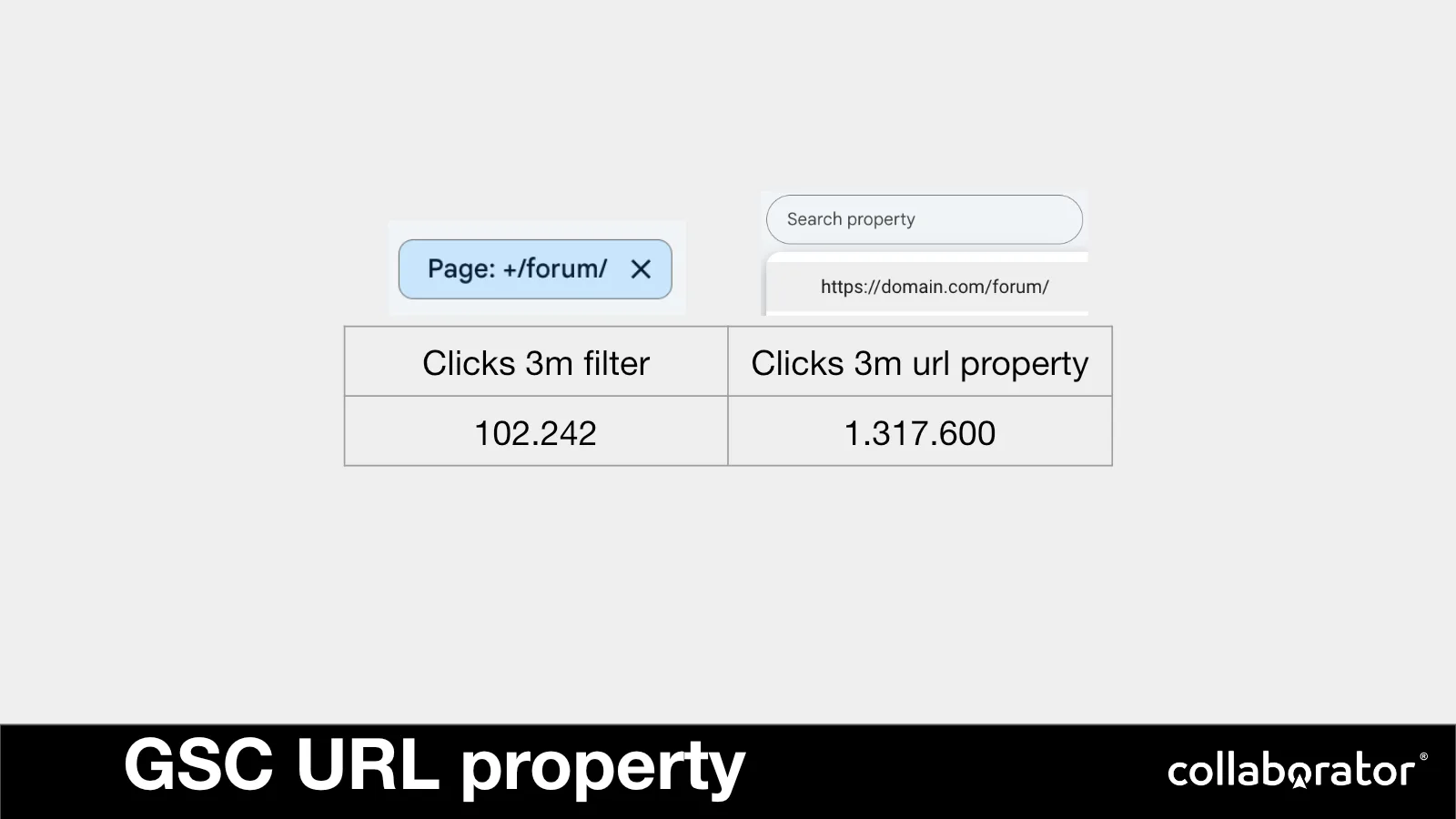
A URL-prefix property revealing far more clicks than a simple filter.
Measurement scope can change a keep-or-delete decision by an order of magnitude.

Keyword coverage differences across external tools and BigQuery.
First-party exports often contain a much larger long tail than competitive databases.

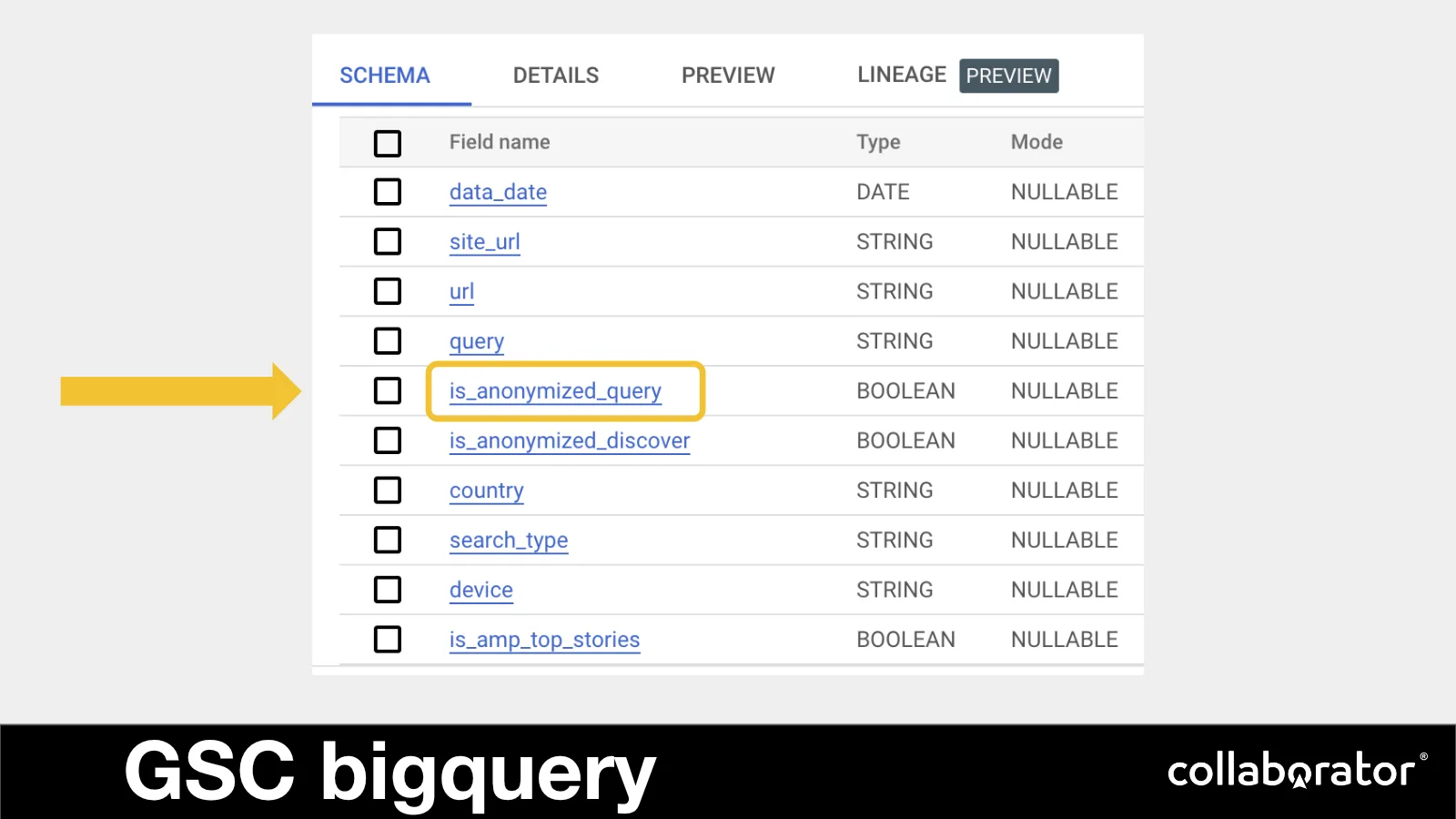
Search Console bulk-export tables in BigQuery.
Bulk export preserves daily page and query data for cohort analysis and experimentation.

Add server logs, crawl data, SERP sources, internal attributes, competitor observations, trends, and business metrics. The warehouse should support decisions, not merely accumulate tables.
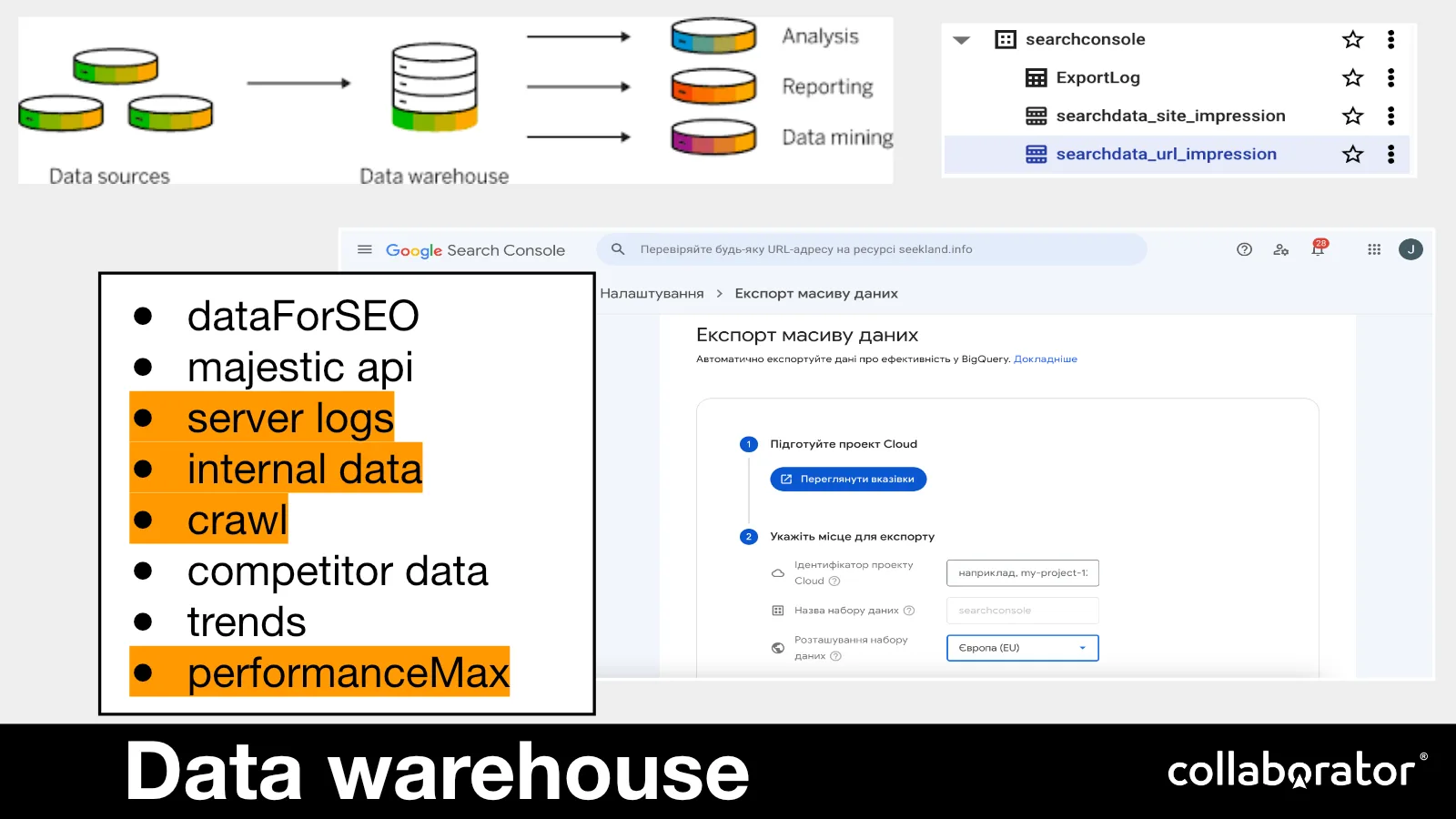
A data warehouse combining multiple SEO and product sources.
The shared key is usually the URL or entity represented by the URL, enriched with technical and business facts.

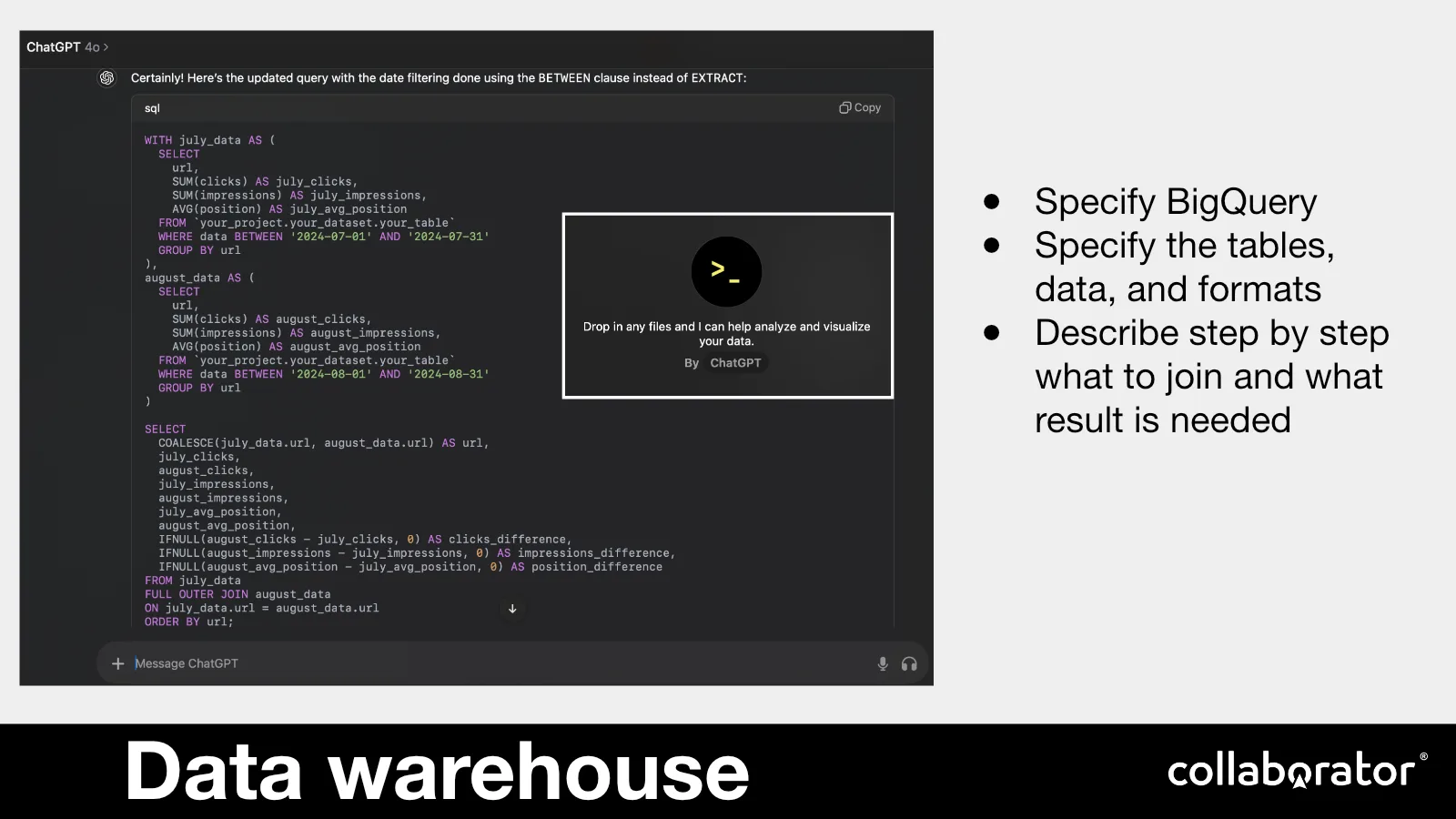
Prompting an assistant with the database, schema, formats, joins, and desired result.
Explicit schema context makes generated SQL more reliable and easier to review.

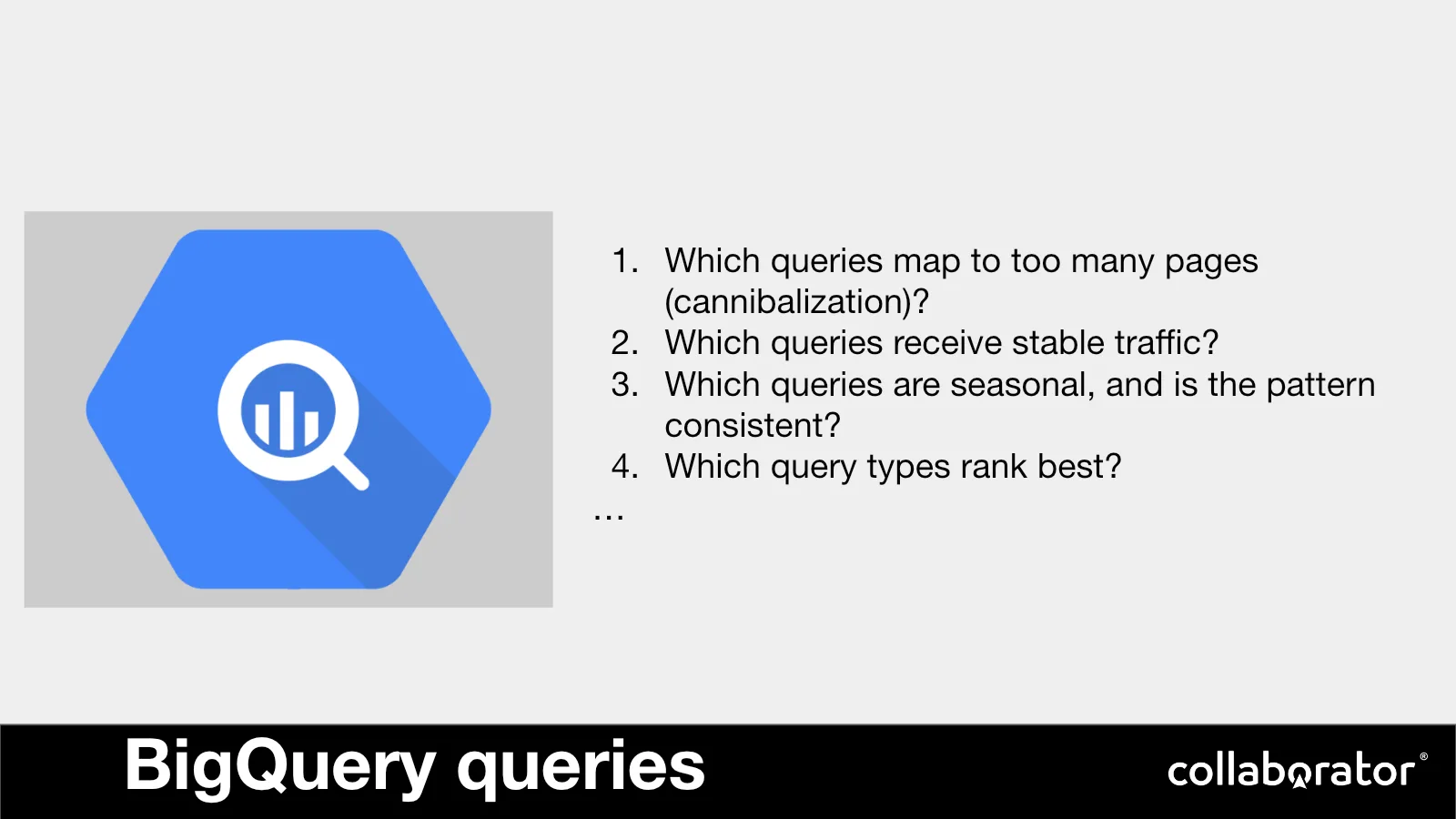
Recurring BigQuery questions about cannibalization, stability, seasonality, and query types.
Reusable queries turn one-off analysis into a repeatable diagnostic library.

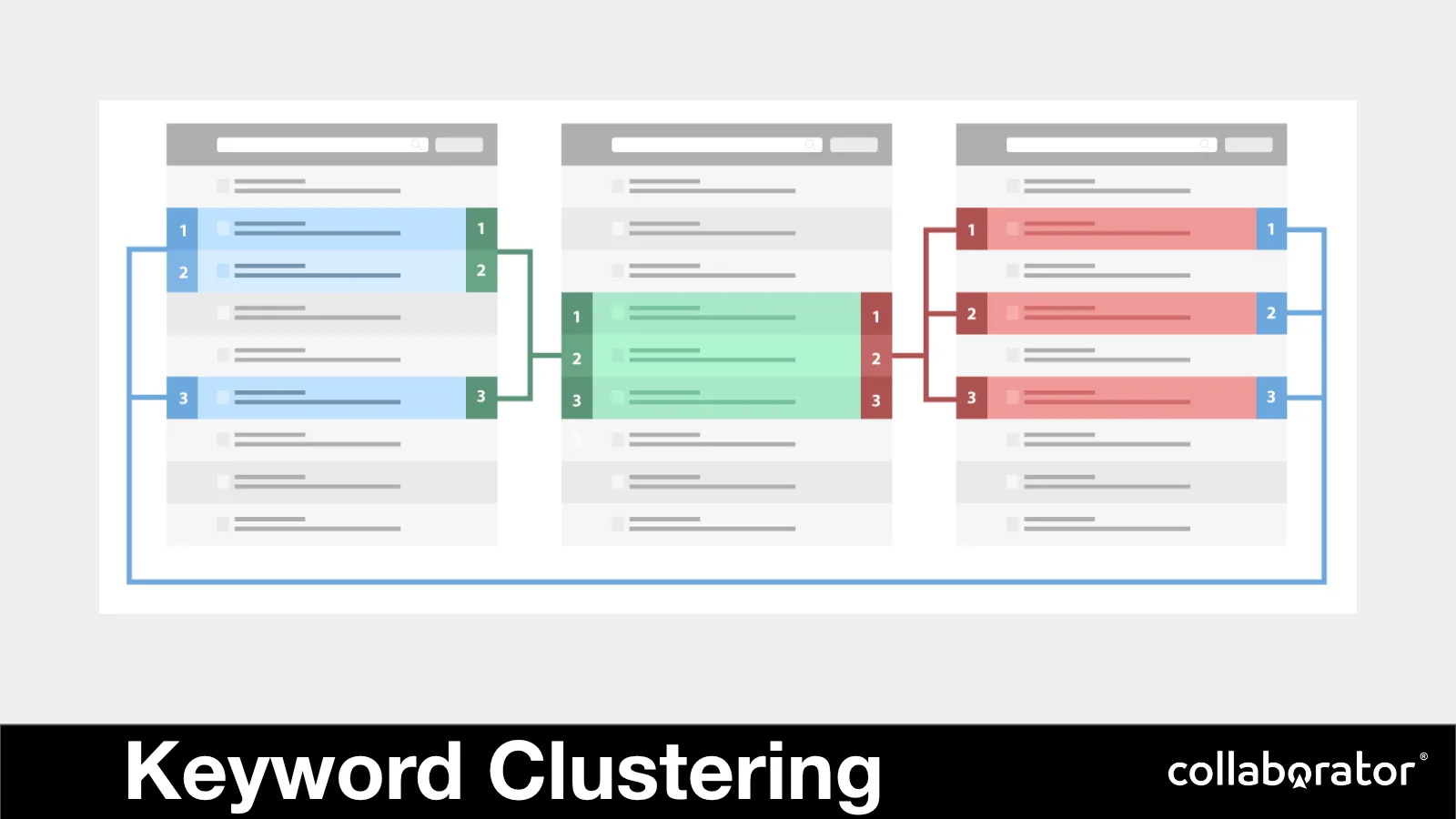
Keyword clustering built from shared search behavior.
Clusters support page mapping, cohort design, and discovery of competing URLs.

Start with a user A/B test where possible. If conversion and behavior remain stable or improve, run an SEO split test across comparable page groups. Balance clicks, impressions, positions, intent, template, and content depth. Start the observation window only after Googlebot has revisited a substantial share of the test pages; my practical threshold is 80%.
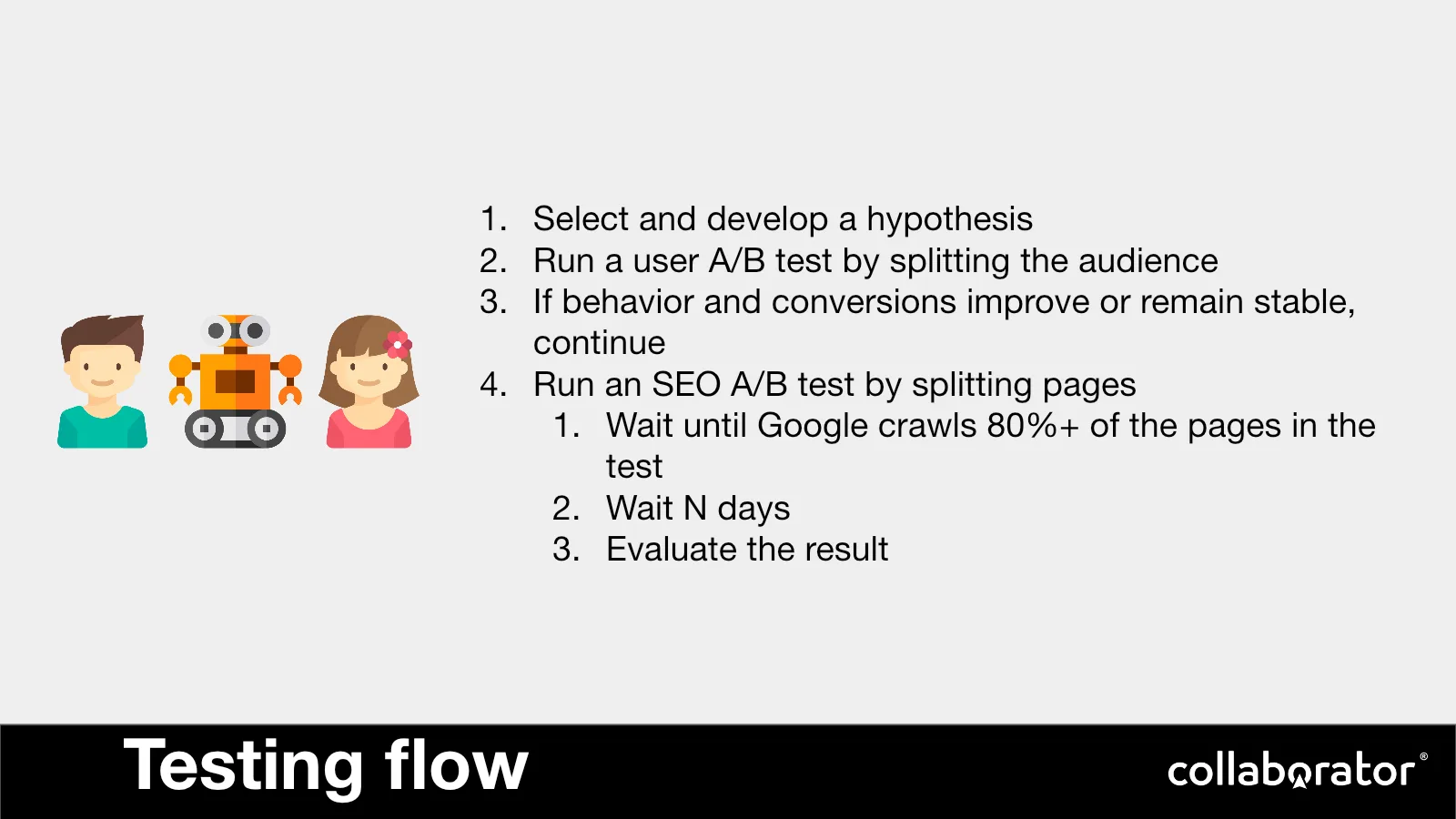
A testing flow from hypothesis through user and SEO tests to evaluation.
The sequence protects users first and makes crawler exposure an explicit prerequisite for interpreting an SEO result.

Dimensions used to balance A/B/C/D page groups.
Comparable cohorts reduce the risk that existing demand or page quality explains the measured difference.

Monitor Competitors and Localize the Product

Competitors are running tests too. Save their sitemaps, crawl representative pages, track meaningful DOM changes, and observe new ranking queries. Monitoring turns a competitor from a static benchmark into a stream of hypotheses.
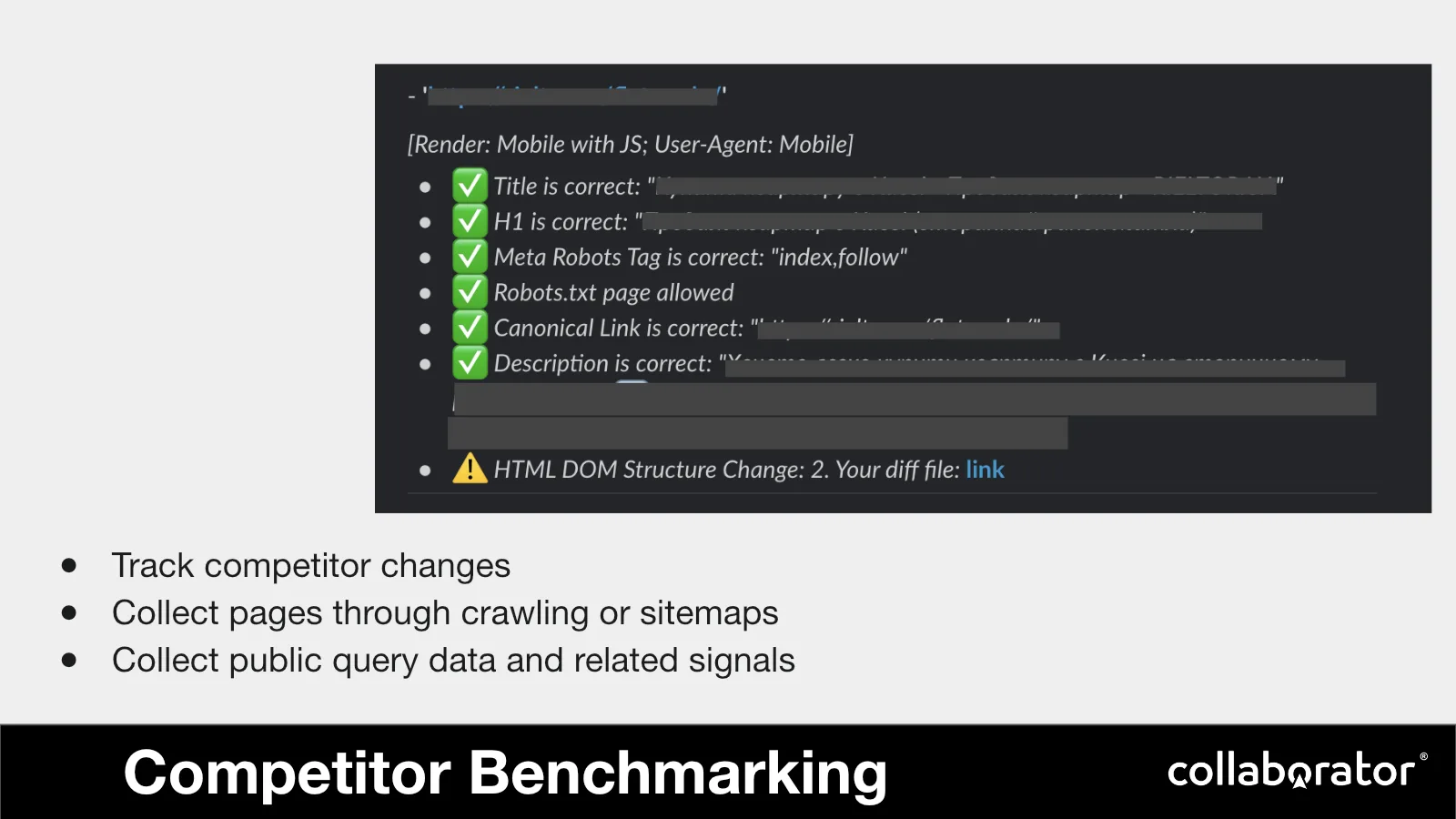
Competitor benchmarking through page, sitemap, keyword, and change monitoring.
The goal is not to copy every change but to detect experiments worth investigating.

Localization is more than translation. Re-cluster demand for the market; check slang, literacy level, dates, currencies, connectivity, interface expansion, and local holidays. Maintain a localization kit with source content, terminology, translation memory, style guidance, and reference material. Sometimes the correct discovery is that users search in another language or by a dominant brand, so a full translation has little demand.
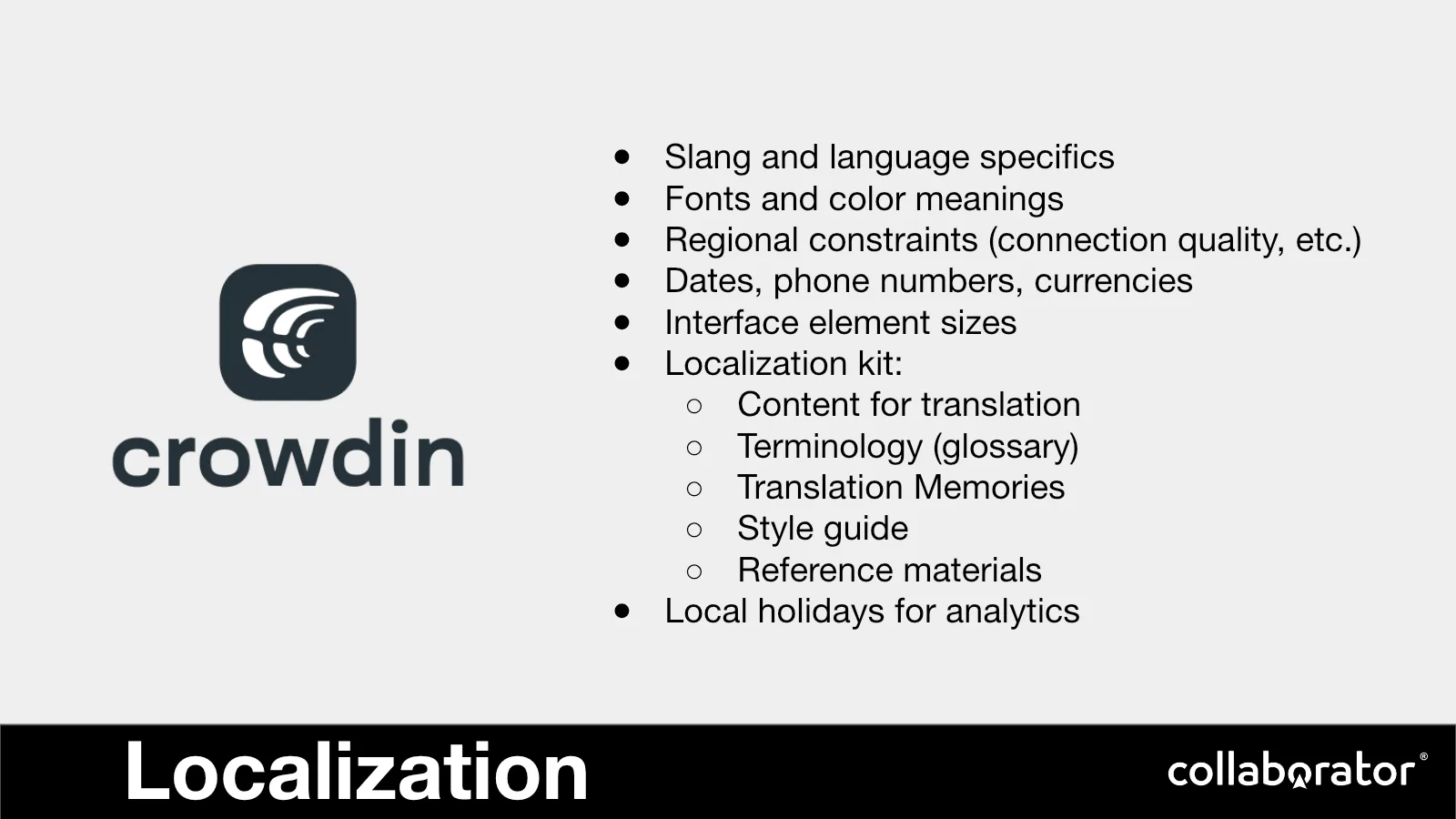
Localization factors and the components of a localization kit.
A scalable localization process preserves terminology and product behavior while adapting to local demand and constraints.

Future trends and predictions for programmatic SEO.
As visible keyword data shrinks, teams need stronger first-party signals and better methods for anticipating emerging demand.

Internal linking at scale as a behavioral and discovery signal.
Useful recommendations can improve navigation, distribute discovery, and reduce the chance that a session ends on the first page.

The long-term advantage in programmatic SEO is not the ability to publish the most URLs. It is the ability to learn across the largest number of pages without losing control: enrich from real data, measure by cohort, protect index quality, test continuously, and feed every result back into the product.