Article · 6 minutes
Product-Led SEO Starts with Analytics, Not Opinions
A practical framework for connecting SEO, product work, data warehouses, revenue, and small evidence-led experiments.

Product-led SEO is not a channel that waits for a finished product and then tries to attract traffic to it. It is a way of building the product with search demand, user experience, content, measurement, and iteration in the same loop. That sounds simple, but it changes the questions an SEO specialist must answer. “I think this will help” is no longer enough. We need to explain why a task matters, how it supports growth, what it will cost, and which evidence would change our mind.
This article is based on my lecture “Product-led SEO: The Importance of SEO Analytics”. The original presentation is in English; the Ukrainian version of the article uses a localized deck.
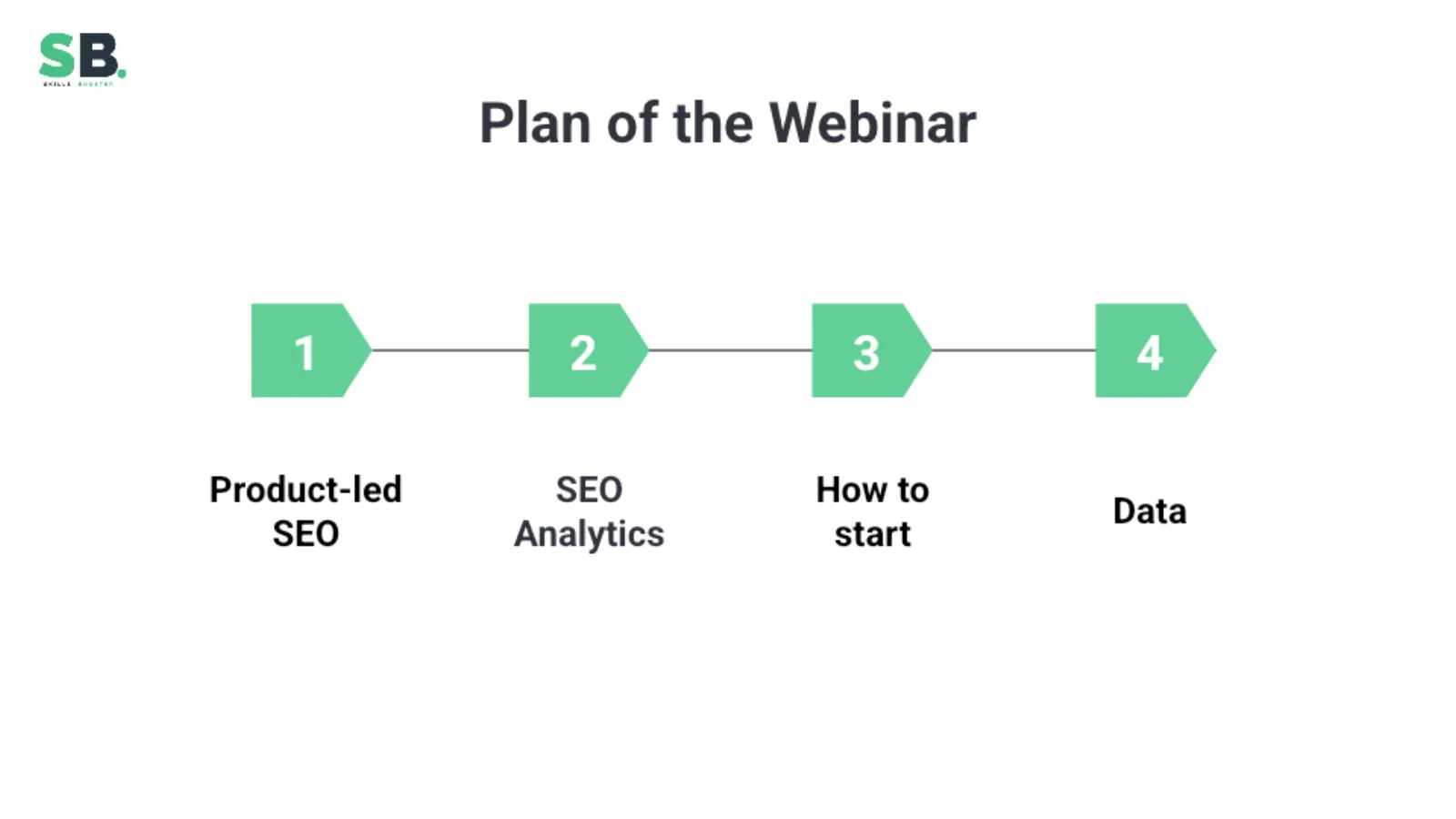
SEO Is Part of the Product Experience
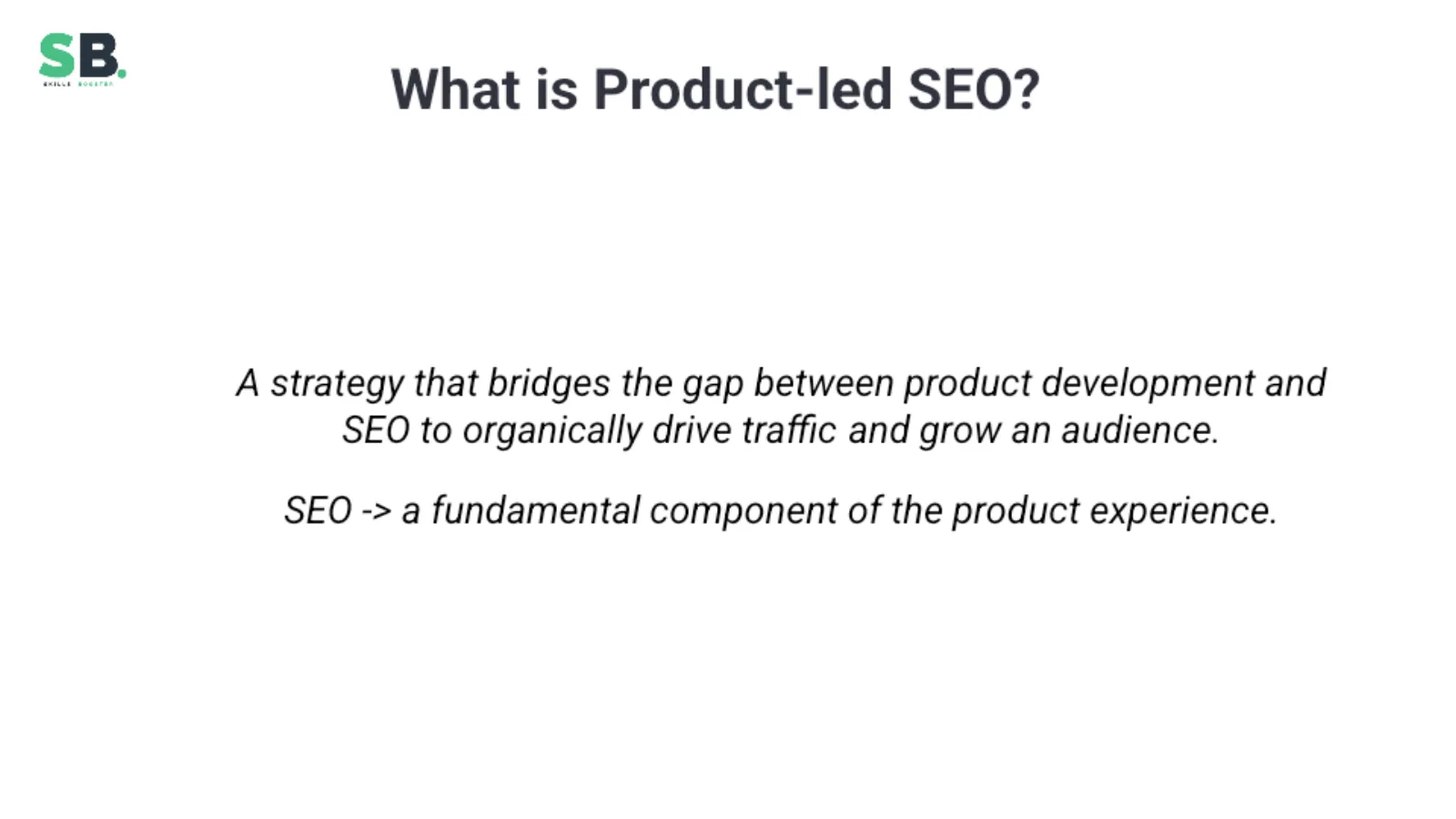
Product-led SEO connects product development and search optimization so that organic acquisition is designed into the experience rather than added after release. The product has to satisfy a real need, be easy to use, answer the query, and improve continuously. SEO therefore belongs in research, design, engineering, content, and measurement conversations.
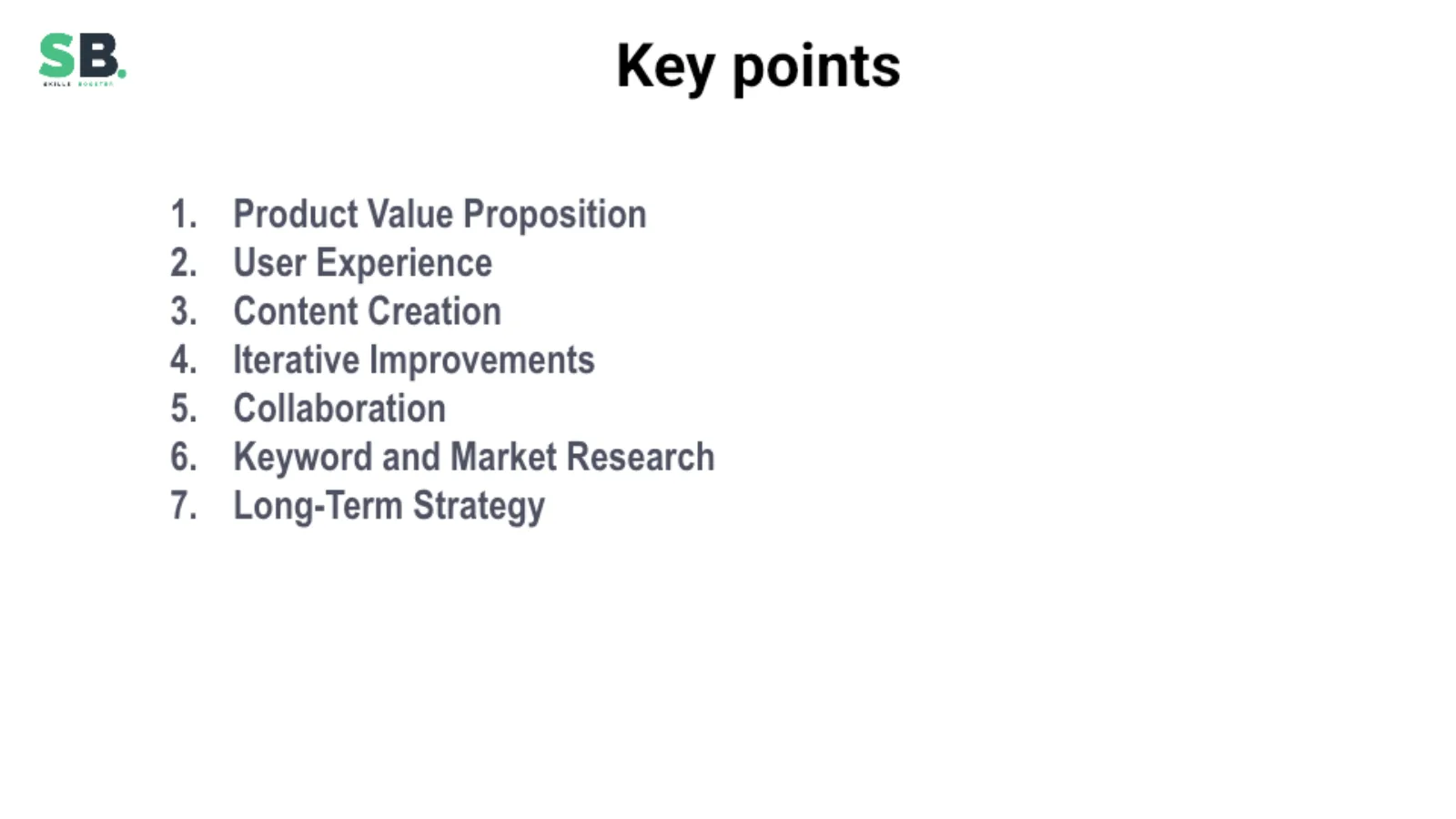
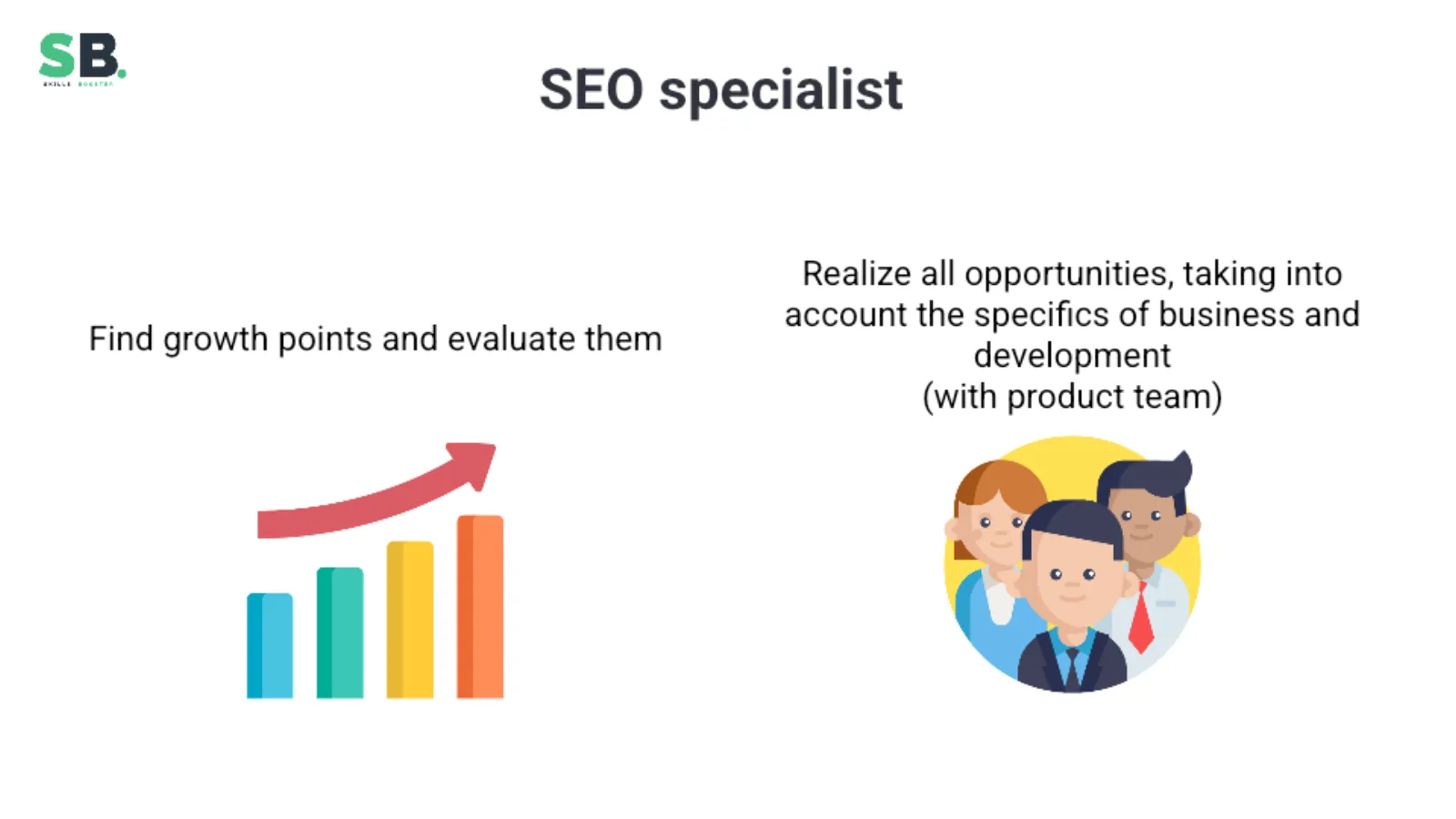
This also changes the SEO role. Finding a theoretical opportunity is only half the job. The harder half is evaluating it against product constraints, earning support, and implementing it with the team. A technically correct recommendation that cannot be shipped is not a growth strategy.
Replace “I Believe” with “The Data Shows”
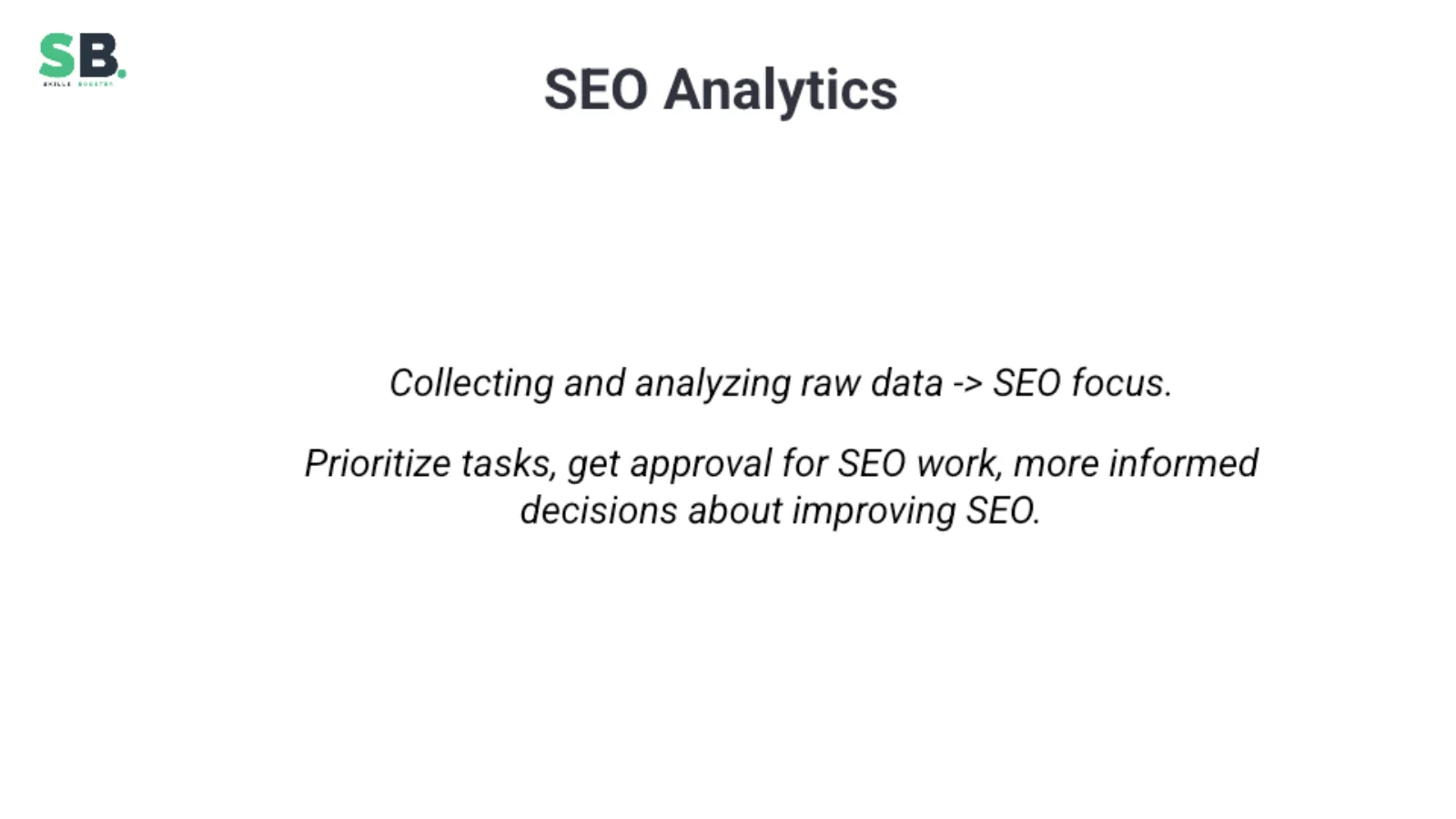
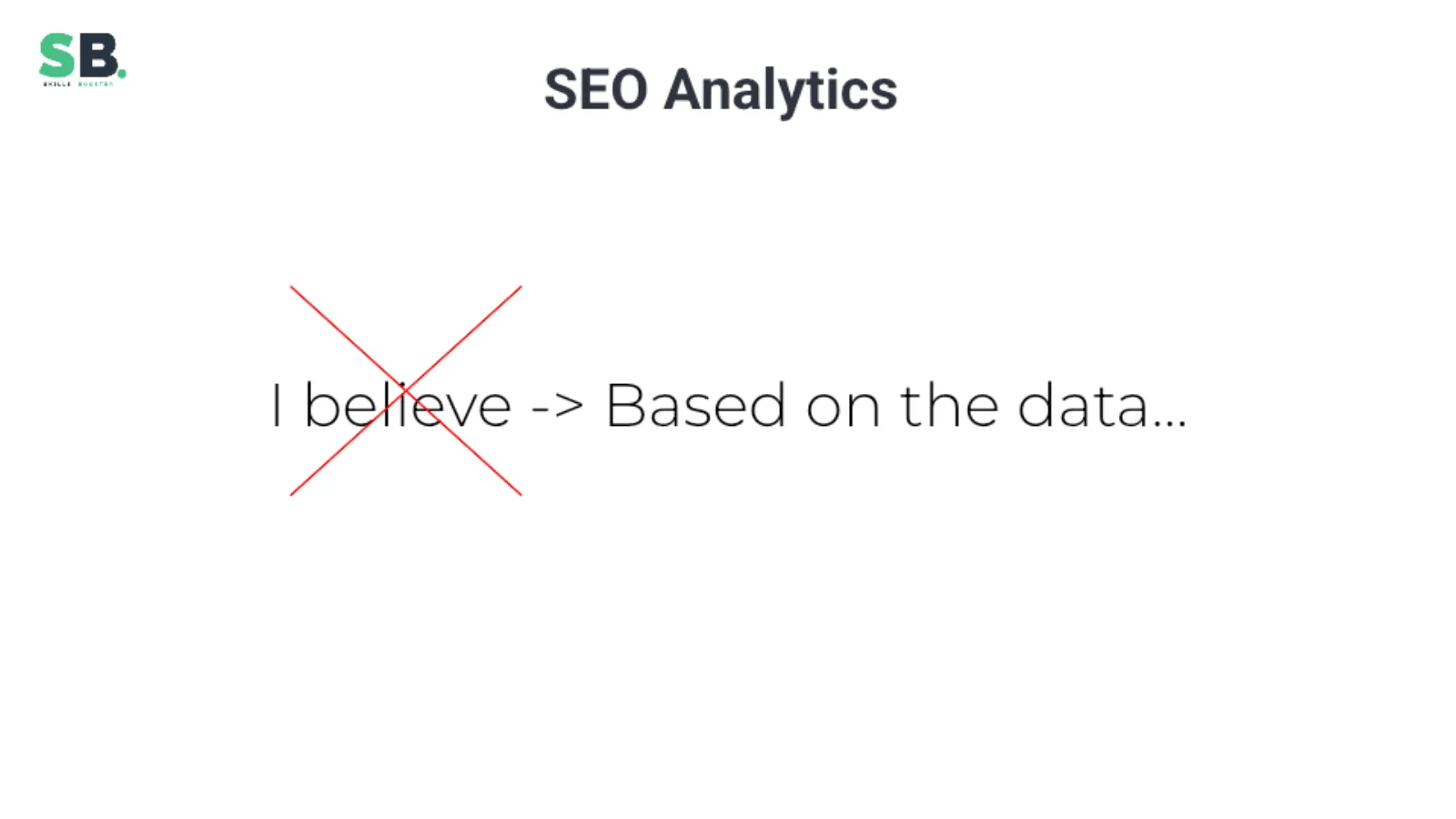
Analytics is not a dashboard ritual. It is the discipline of turning an idea into a decision that another person can inspect. Instead of “I believe we need this page,” the useful statement is: “These page types cover measurable demand, comparable pages already perform, the implementation cost is known, and this is how we will evaluate the result.”
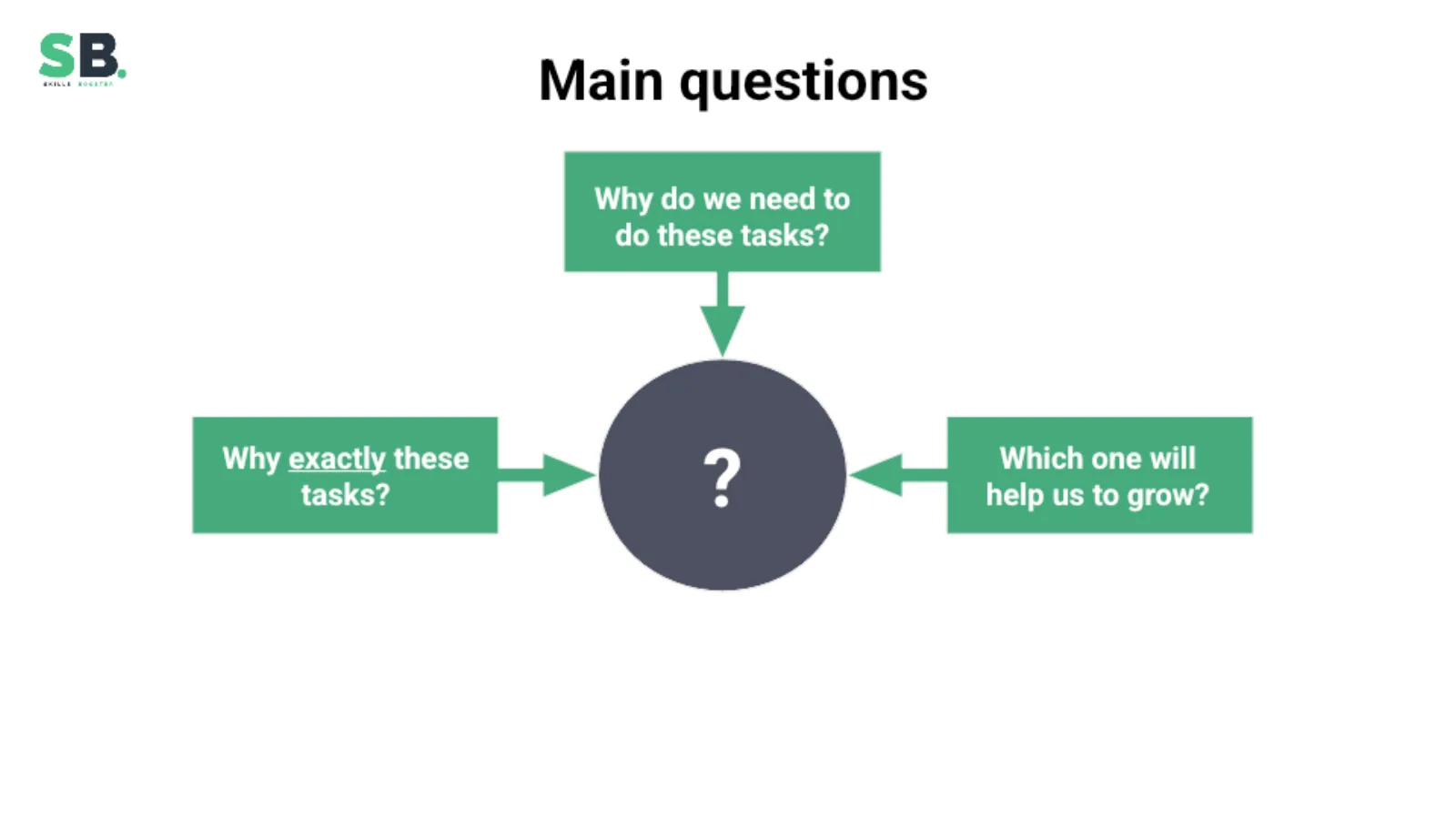
Three questions keep the work honest:
- Why do we need to do this task?
- Which option is most likely to help us grow?
- What evidence gives us confidence in that choice?
Documentation Is the First Analytics Tool
Before building a sophisticated warehouse, create one source of truth. Record hypotheses, releases, expected effects, owners, dates, and results. A spreadsheet is enough to begin; Confluence, Jira, or another system can follow. Without this history, the team repeats old debates and cannot distinguish a failed idea from a good idea implemented badly.

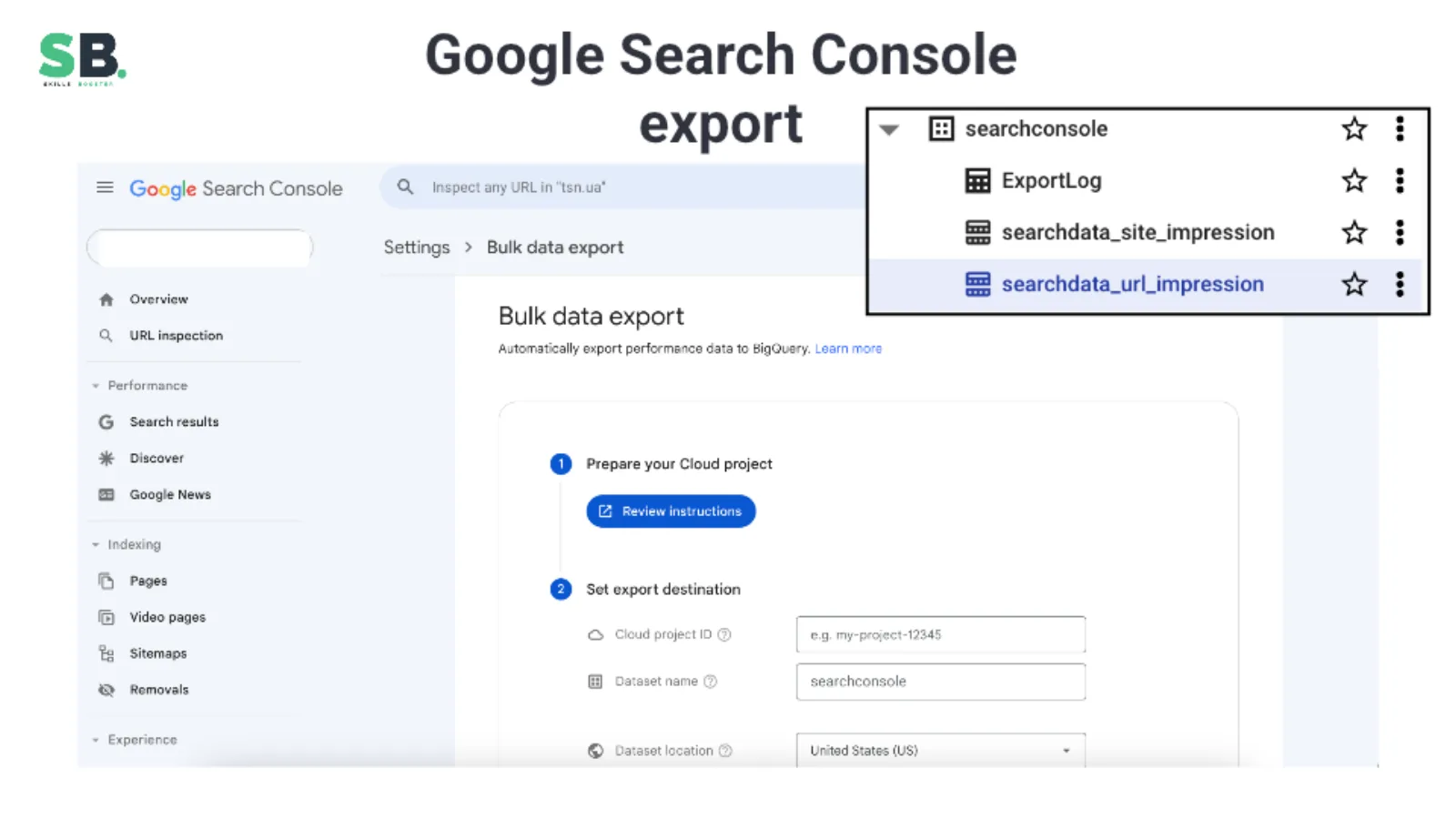
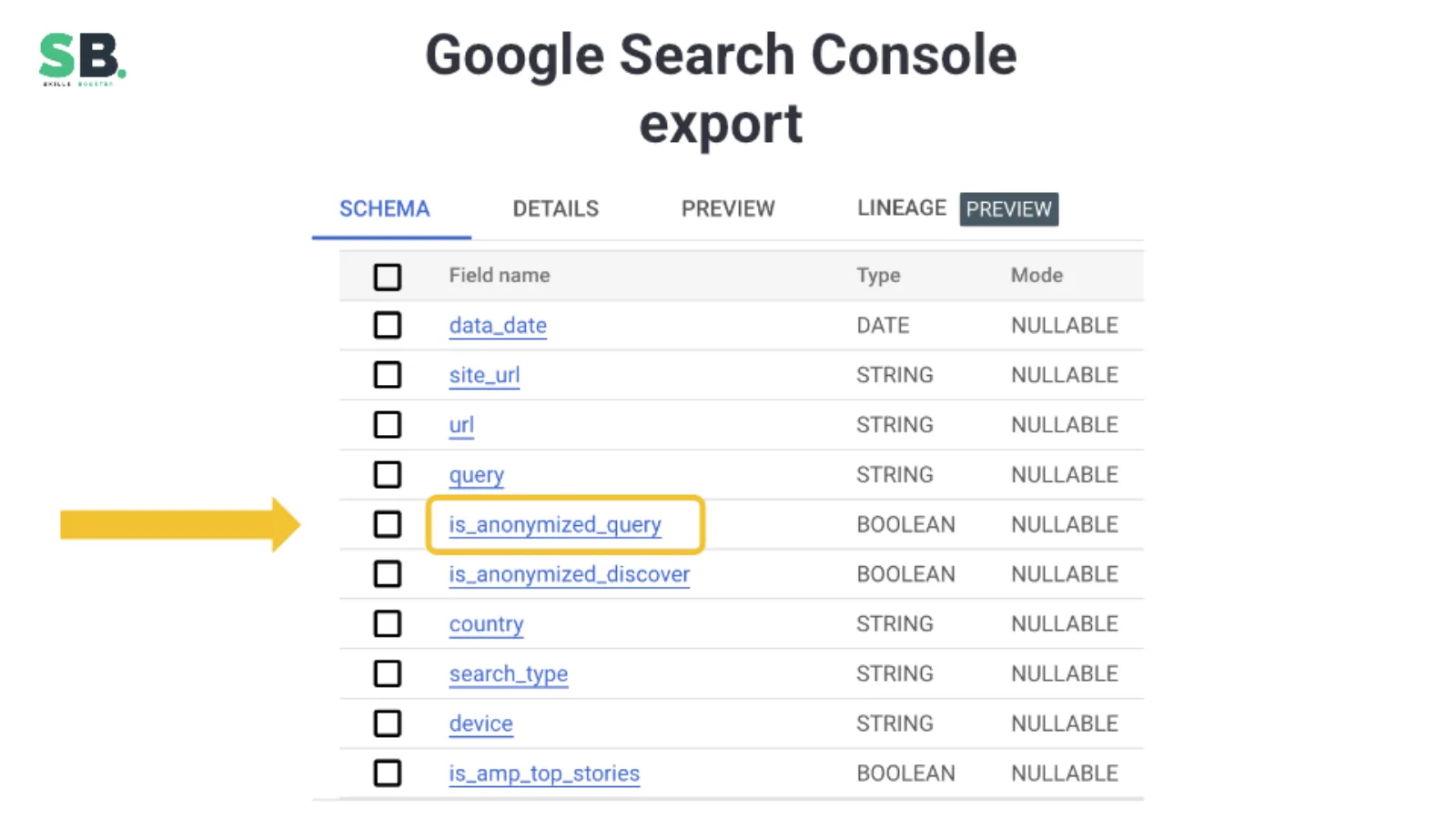
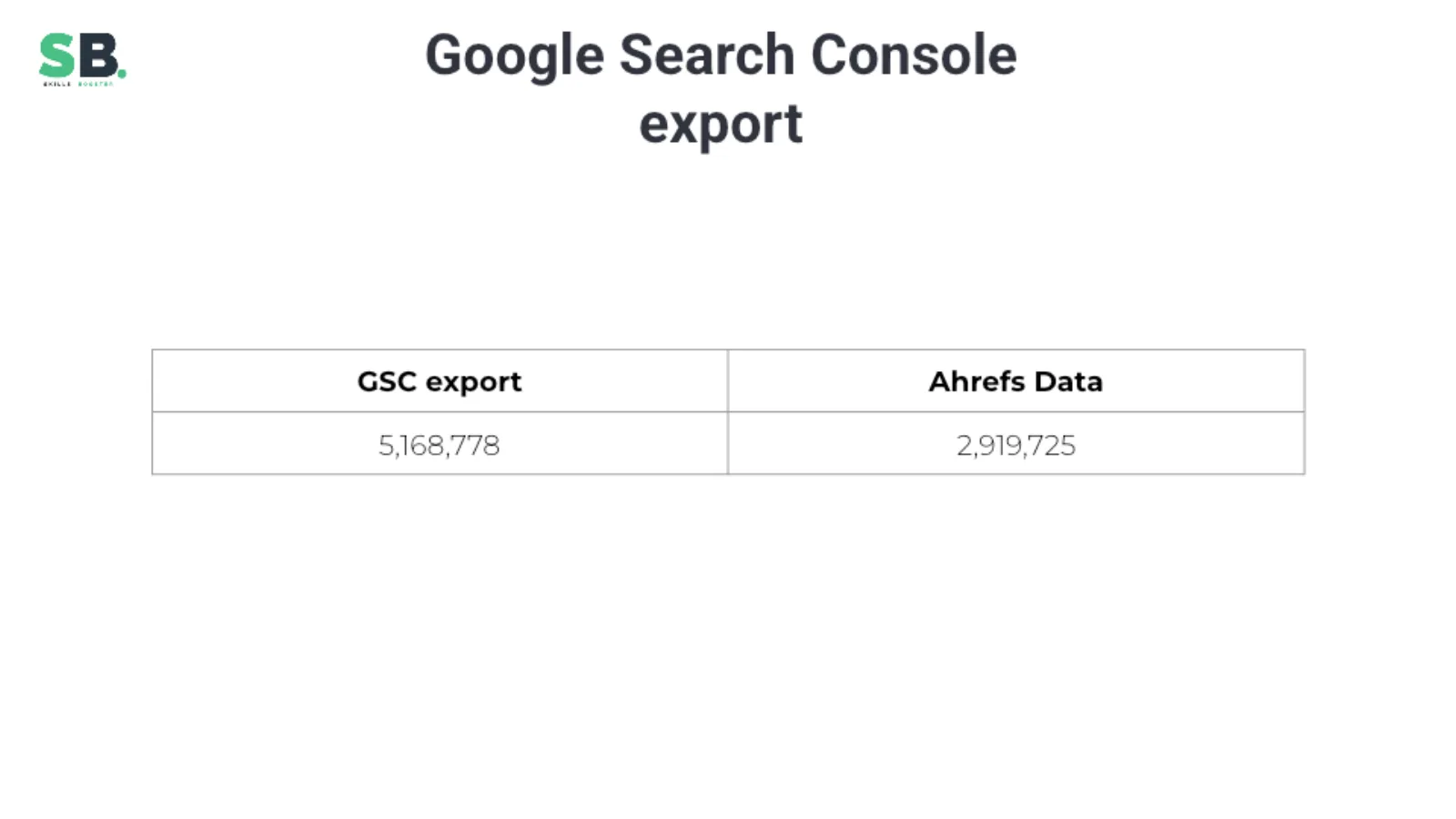
The fastest useful data foundation is usually Google Search Console bulk export. It gives the team a stable, queryable history rather than a limited interface sample. From there, enrich the picture with the sources that answer your actual questions.
Build a Warehouse Around Decisions
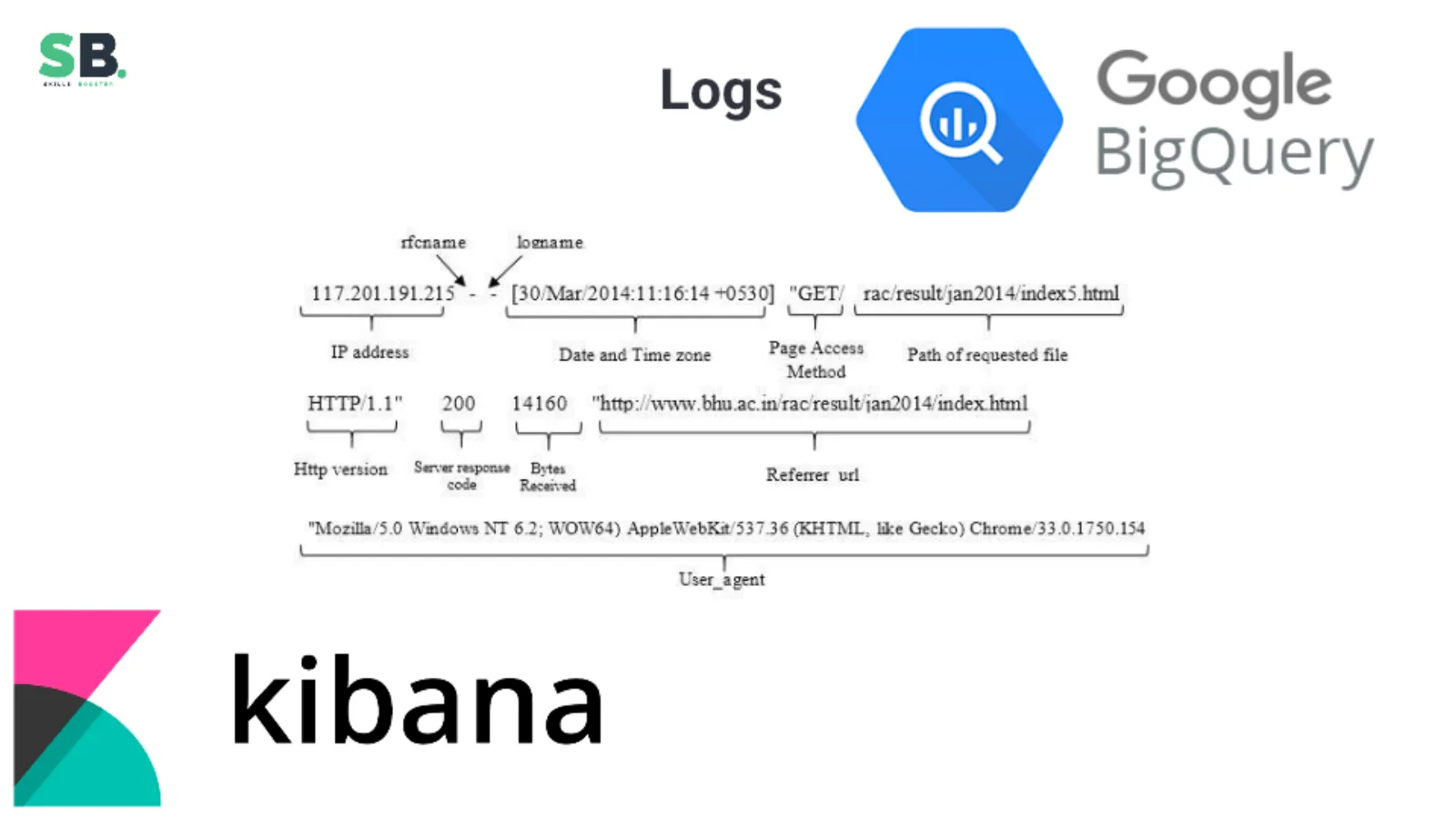
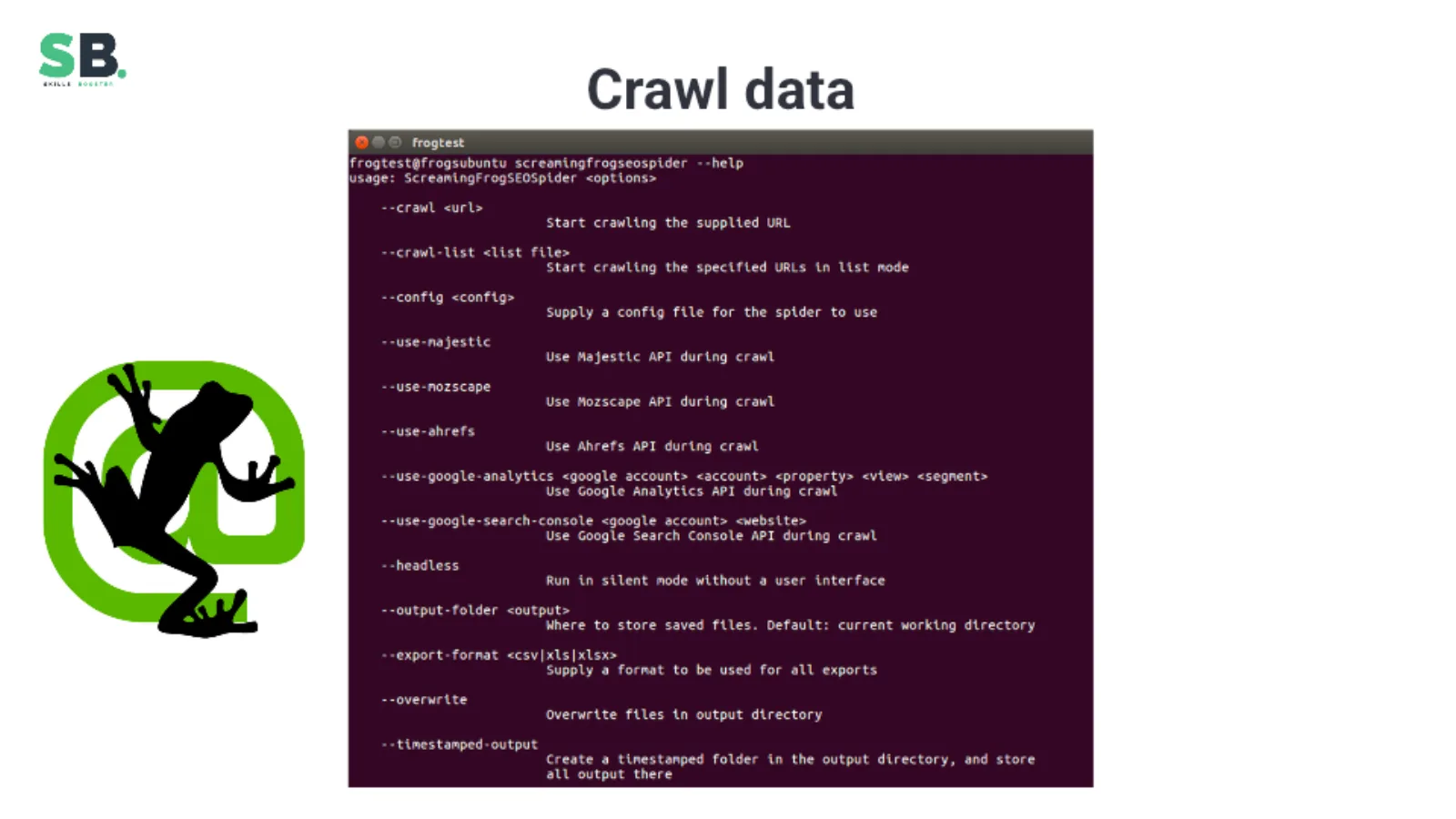
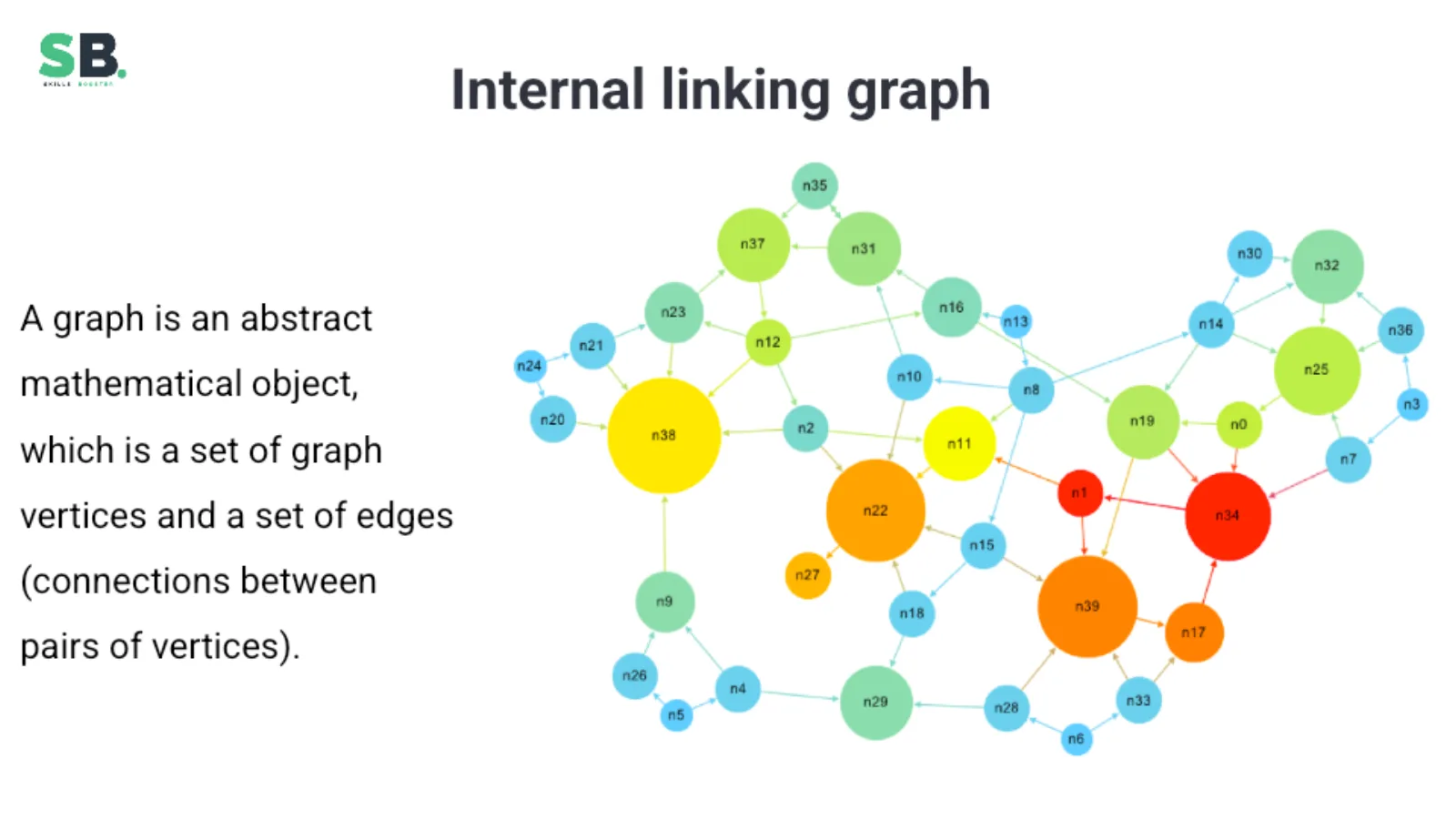
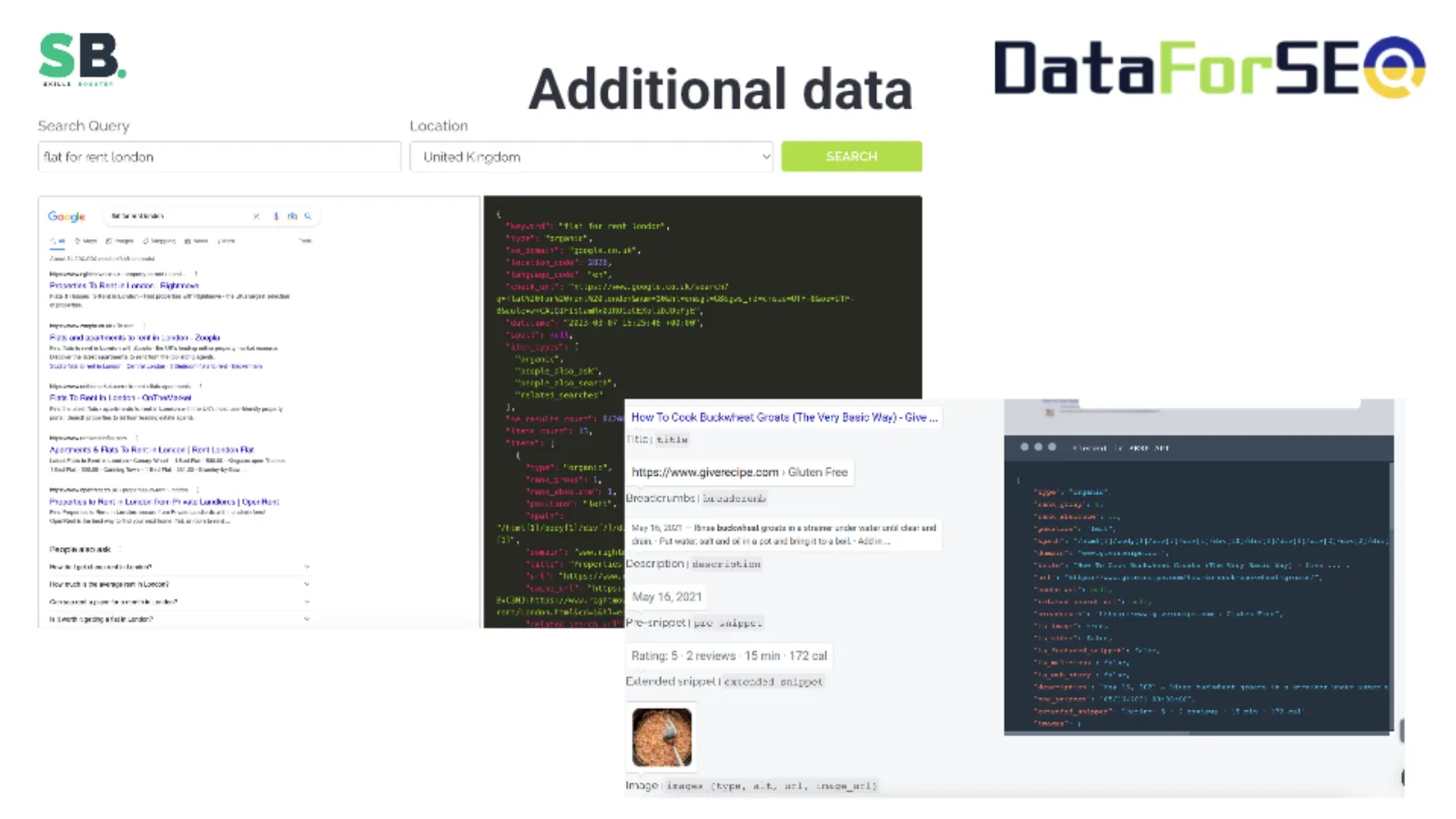
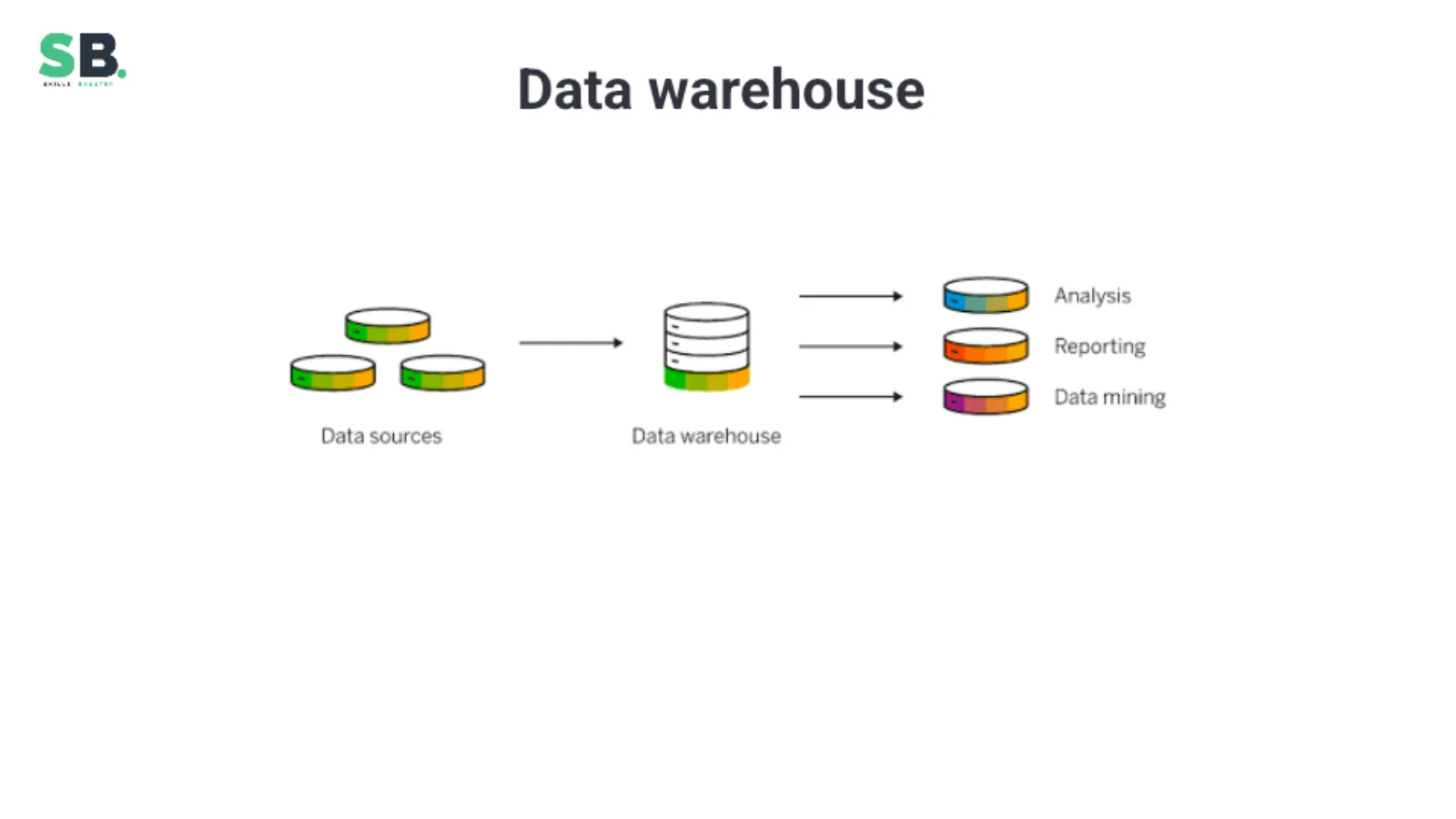
Search Console explains impressions, clicks, queries, pages, countries, and devices. It does not tell you everything. Server logs show what bots actually request. Crawls reveal architecture and technical signals. An internal-link graph exposes relationships between pages. SERP providers add result types and competitors. Internal systems connect pages to inventory, leads, transactions, or revenue.
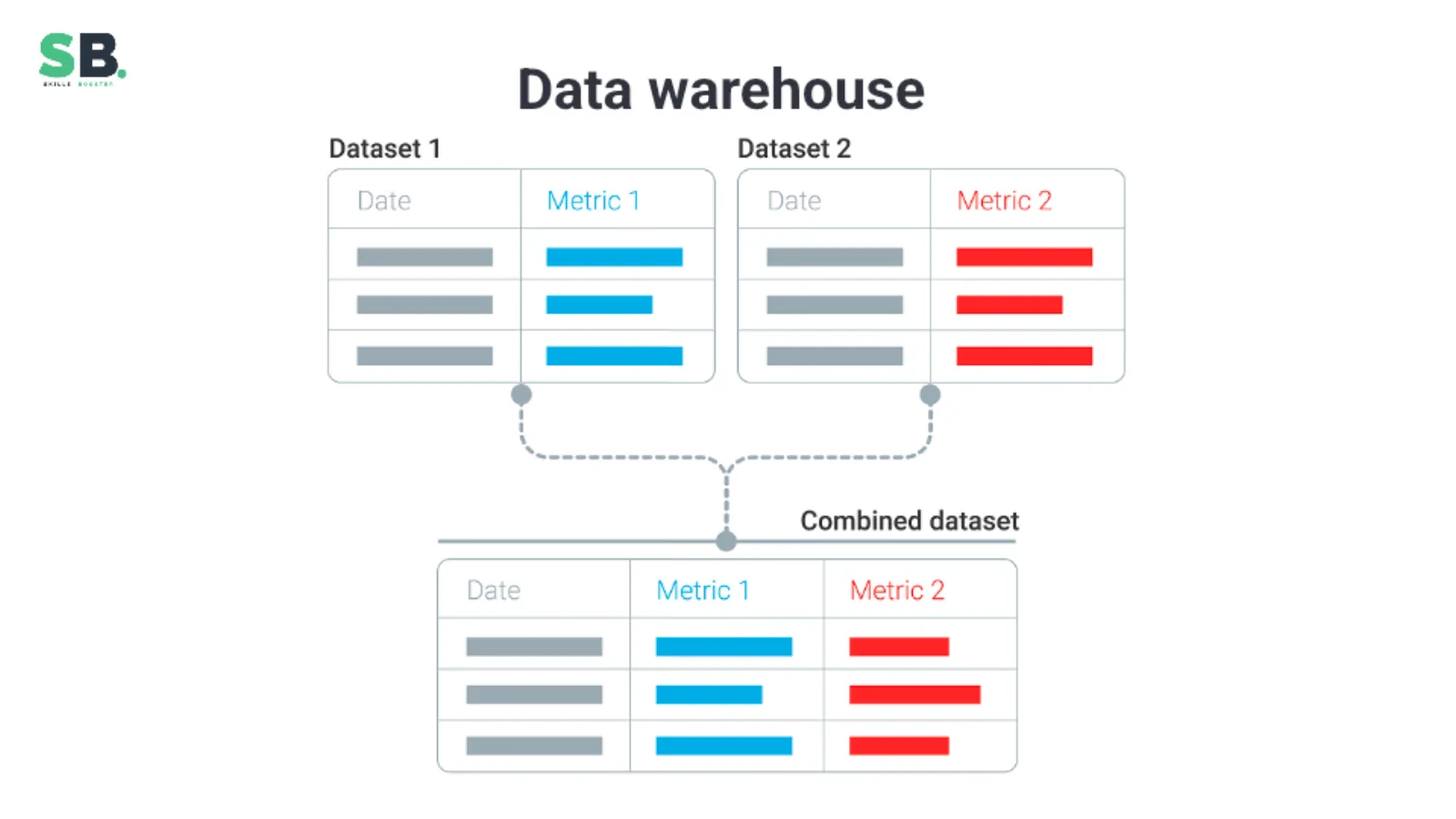
A data warehouse is useful when it reduces the cost of answering recurring questions. It does not have to start as an enterprise platform. What matters is consistent identifiers, documented schemas, known refresh schedules, and joins that can be reproduced.
Connect SEO to Revenue and CRO
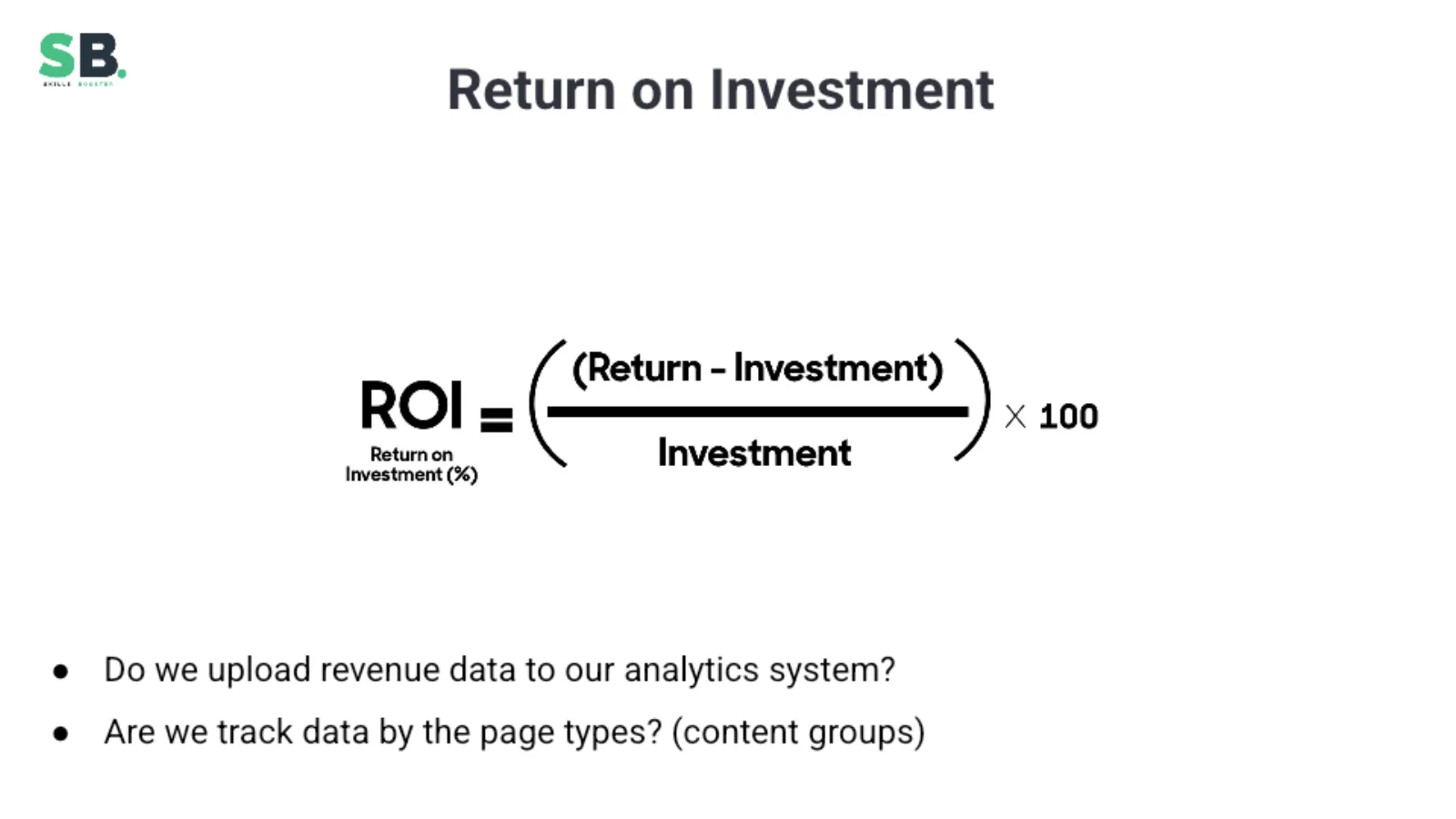
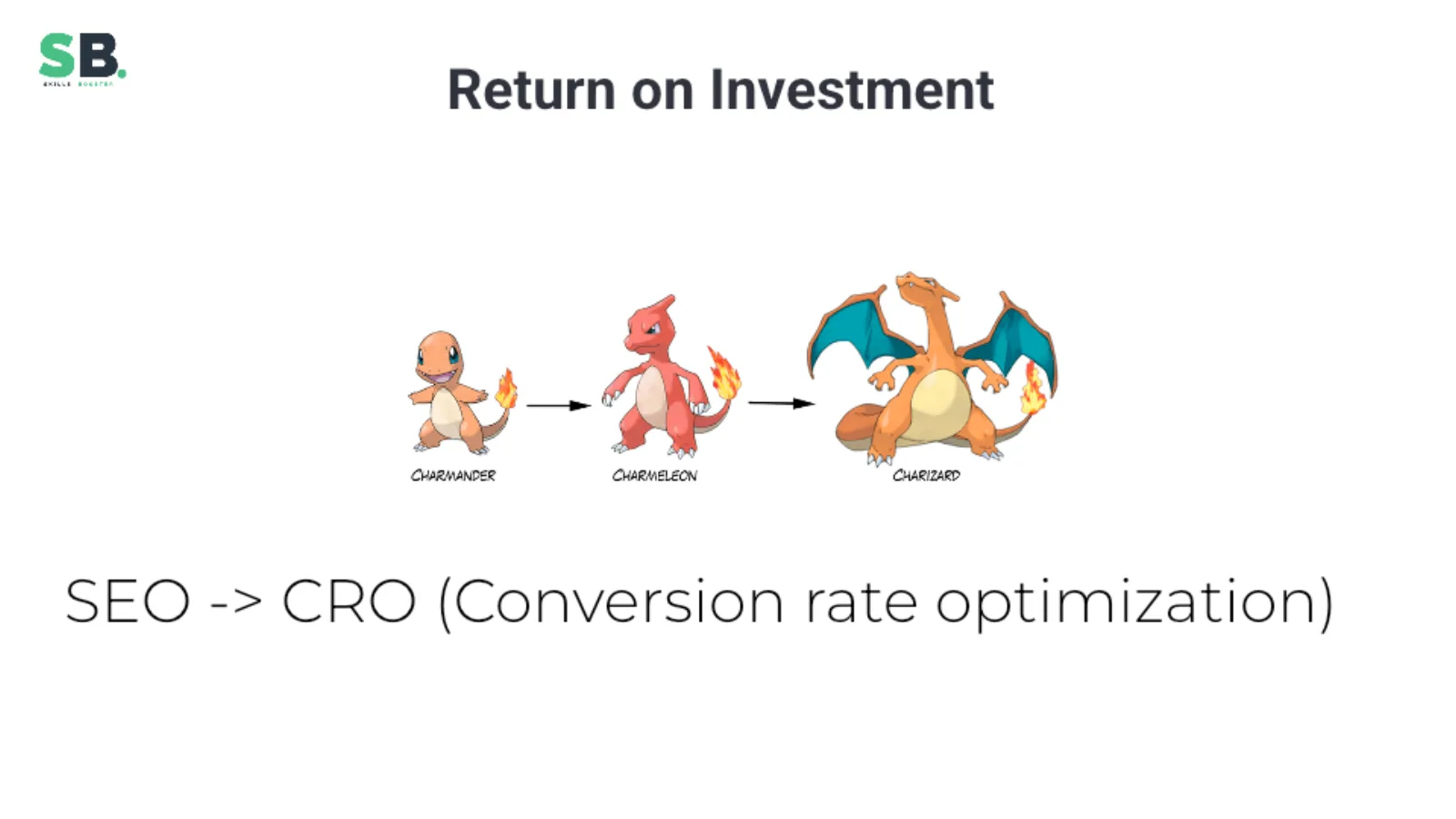
Traffic is an intermediate outcome. Product-led SEO should eventually connect a page or page type to business value. That means asking whether revenue is available in the analytics system and whether results can be segmented by content group, template, or intent.
Learn Enough to Ask Better Questions
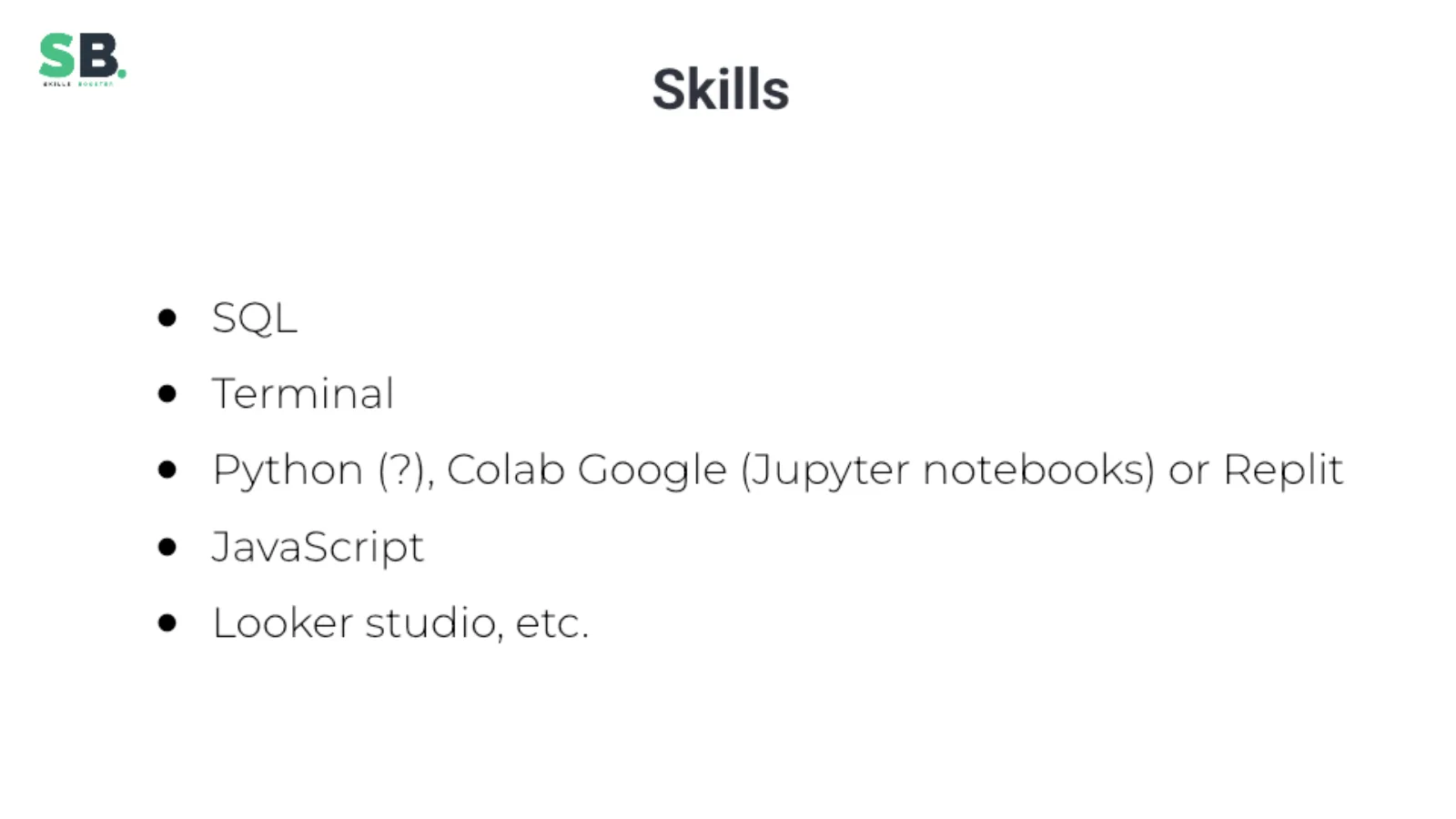
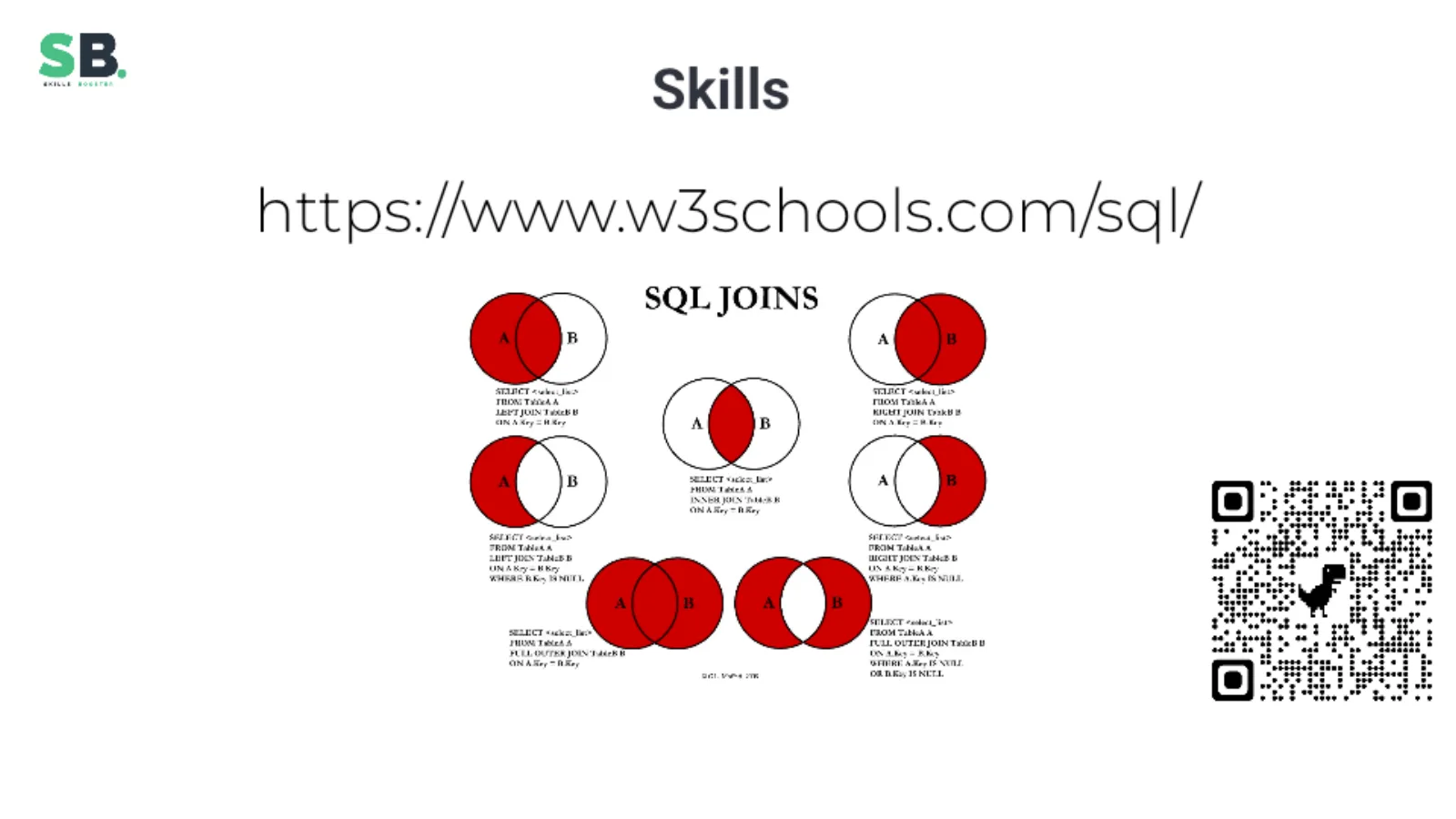
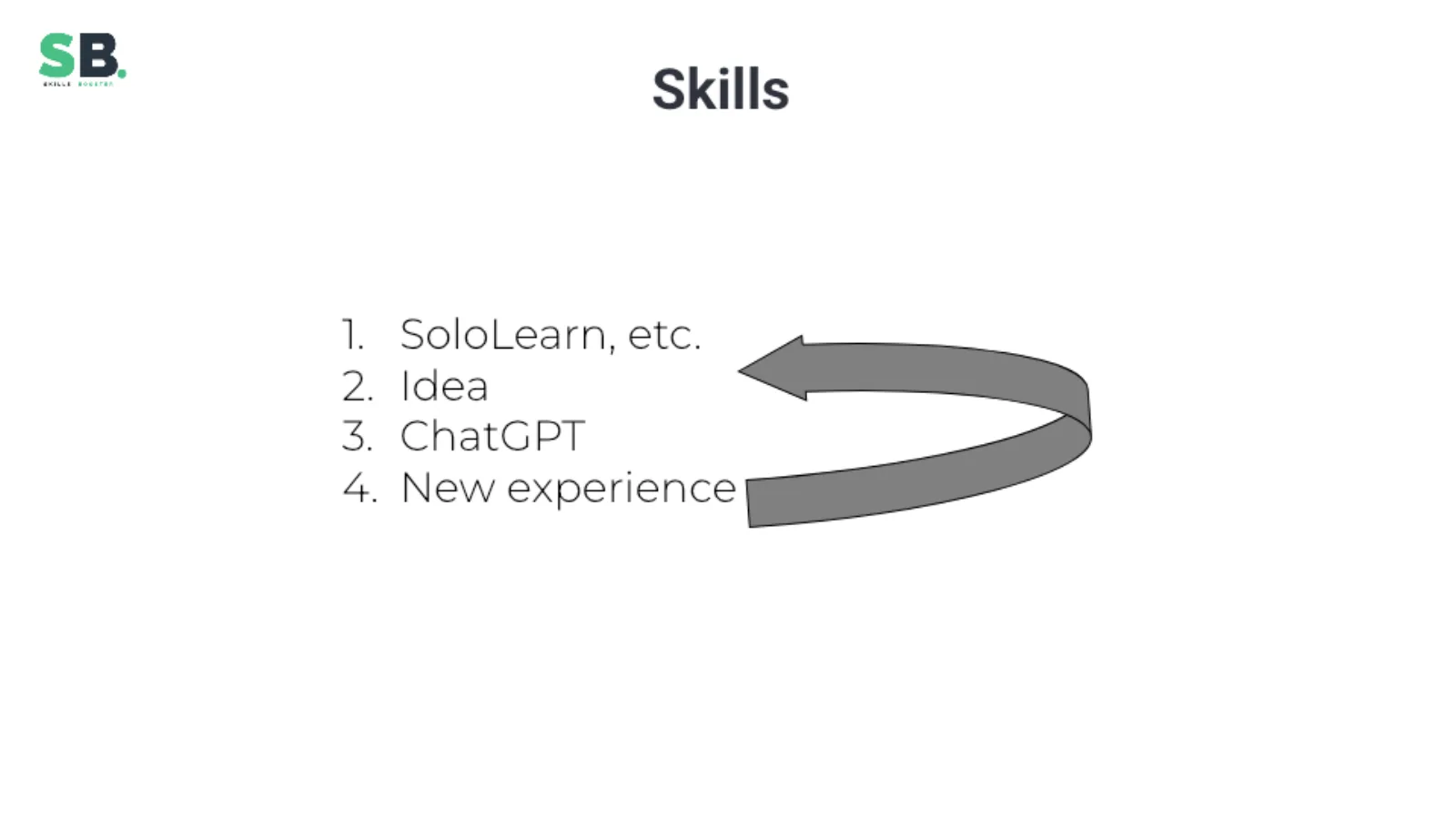
SQL, the terminal, a little Python, JavaScript, and a reporting tool are leverage skills for modern SEO. The goal is not to replace an engineer or analyst. It is to explore data independently, validate assumptions, prototype a calculation, and communicate with specialists in their own language.
Test in Small Steps
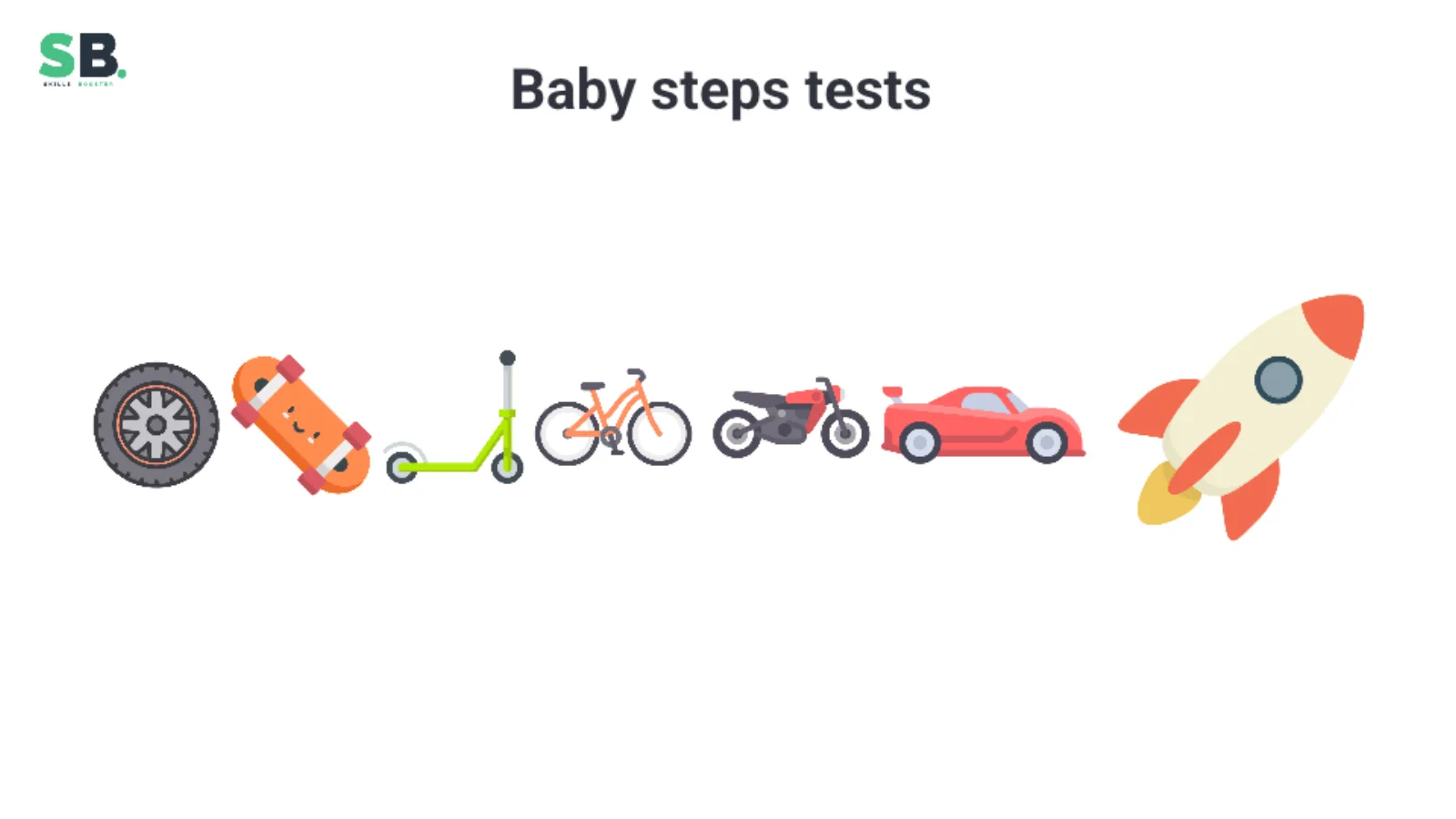
Large redesigns mix too many variables. Prefer the smallest release that can test the mechanism behind a hypothesis. Small tests reduce risk, make causes easier to interpret, and create knowledge that can be reused.
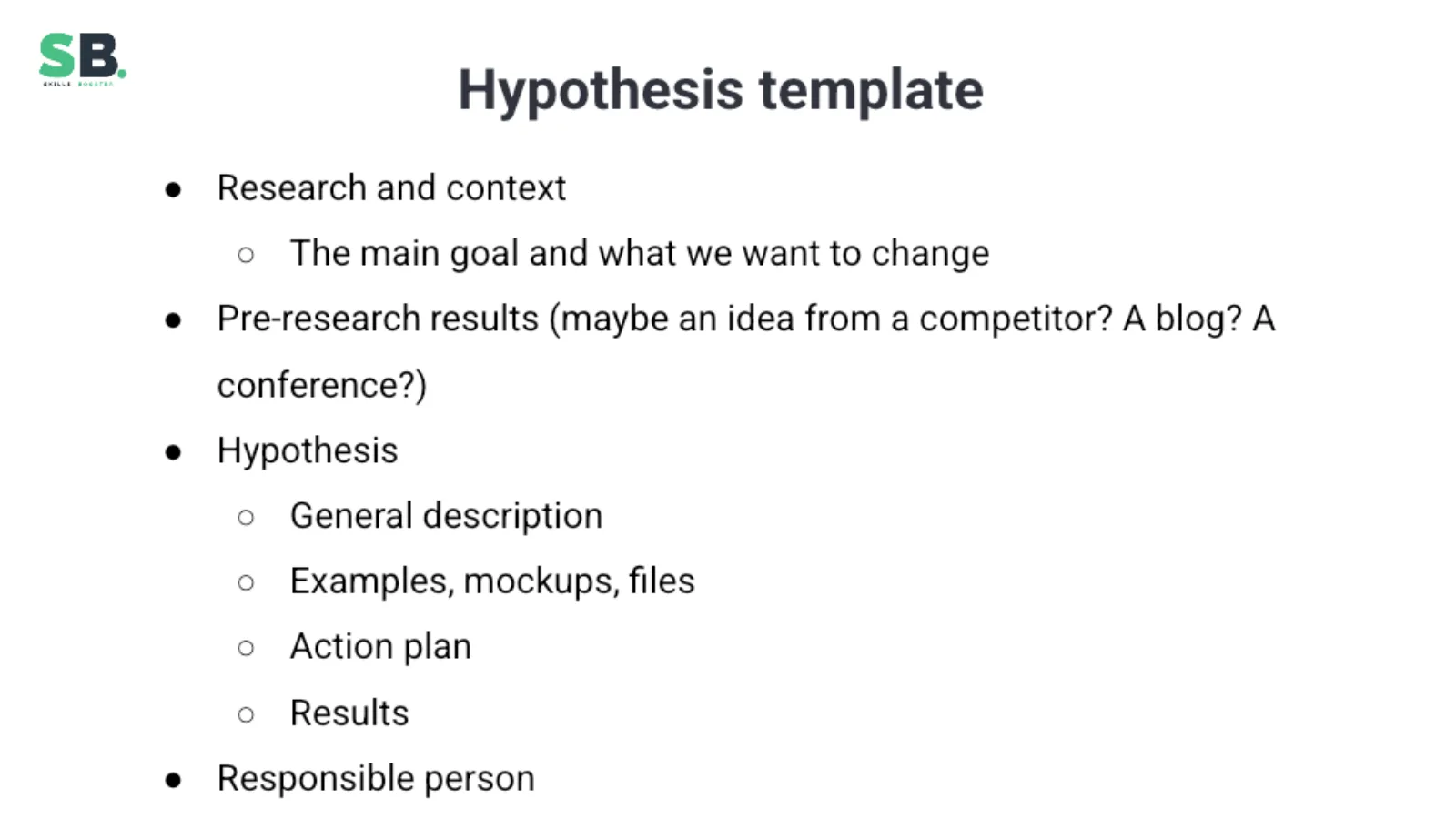
A useful hypothesis template contains:
- research and context;
- the goal and the behavior or metric to change;
- evidence from previous work, competitors, articles, or conferences;
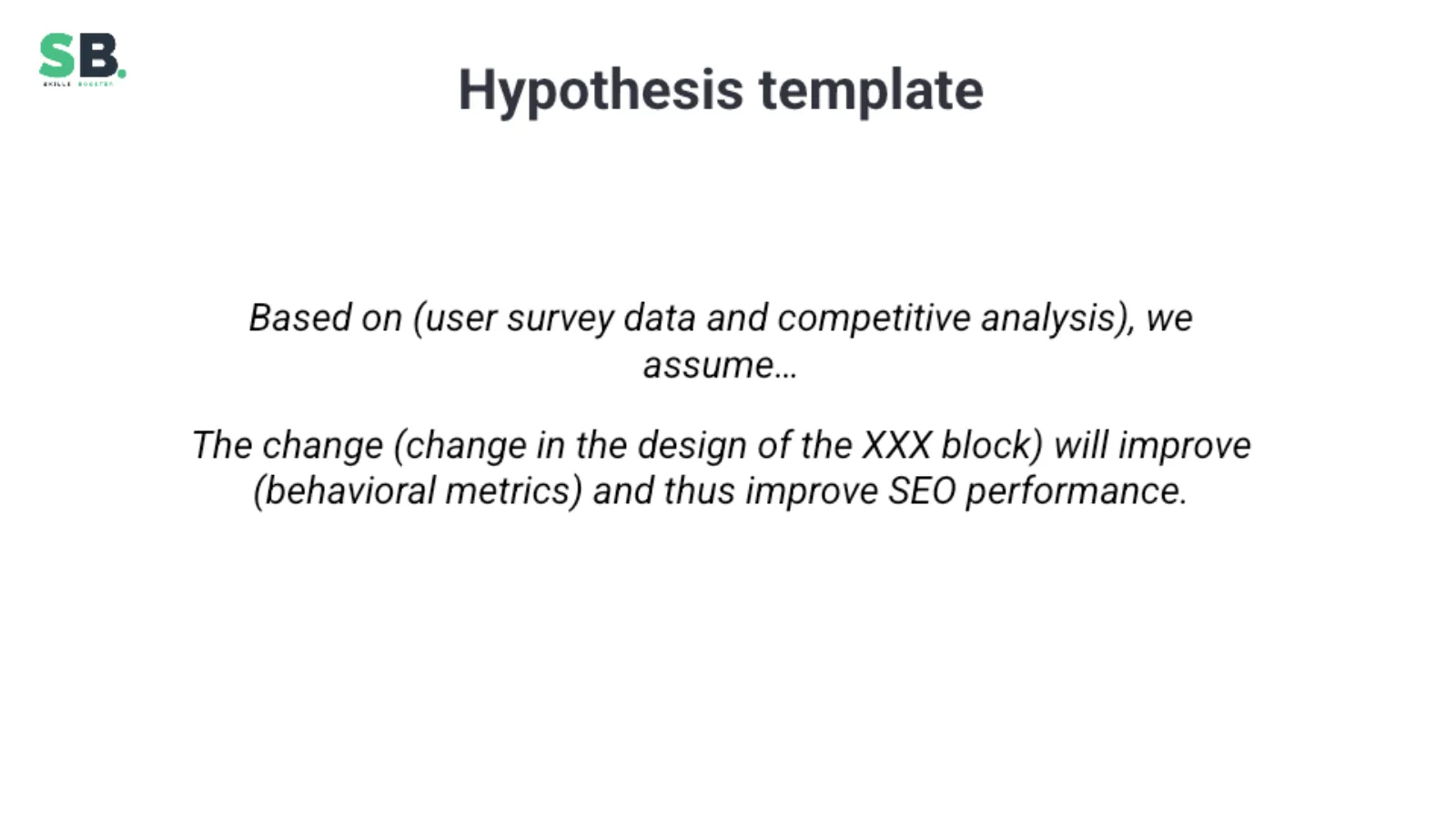
- a specific prediction;
- examples or mockups;
- an implementation plan;
- expected results and an accountable owner.
Product-led SEO is ultimately a management system for uncertainty. Analytics does not remove judgment; it makes judgment visible. Document the decision, connect the right data, ship a small change, measure the result, and preserve what the team learned. That is how SEO stops being a queue of isolated recommendations and becomes part of product development.
Continue exploring
Related reading
Programmatic SEO Is a Data System, Not a Page Factory
How intent, enrichment, indexation, testing, localization, and data infrastructure make large-scale SEO sustainable.

Build Systems, Set Goals: A Goal-Oriented Approach to AI in SEO and Product Work
A practical approach to AI systems: goals, context, task files, agent loops, verification, and the limits of delegation.
From Failure to Fix: How AI Helps Solve SEO Problems in Hours, Not Weeks
How to use AI for SEO decision-making, traffic analysis, technical troubleshooting, and early risk detection.