Article · 9 minutes
The Inspector Gadget Mindset for AI-Assisted SEO
How to choose AI tools by task, model size, cost, context, and team capacity - and turn experiments into reusable SEO systems.

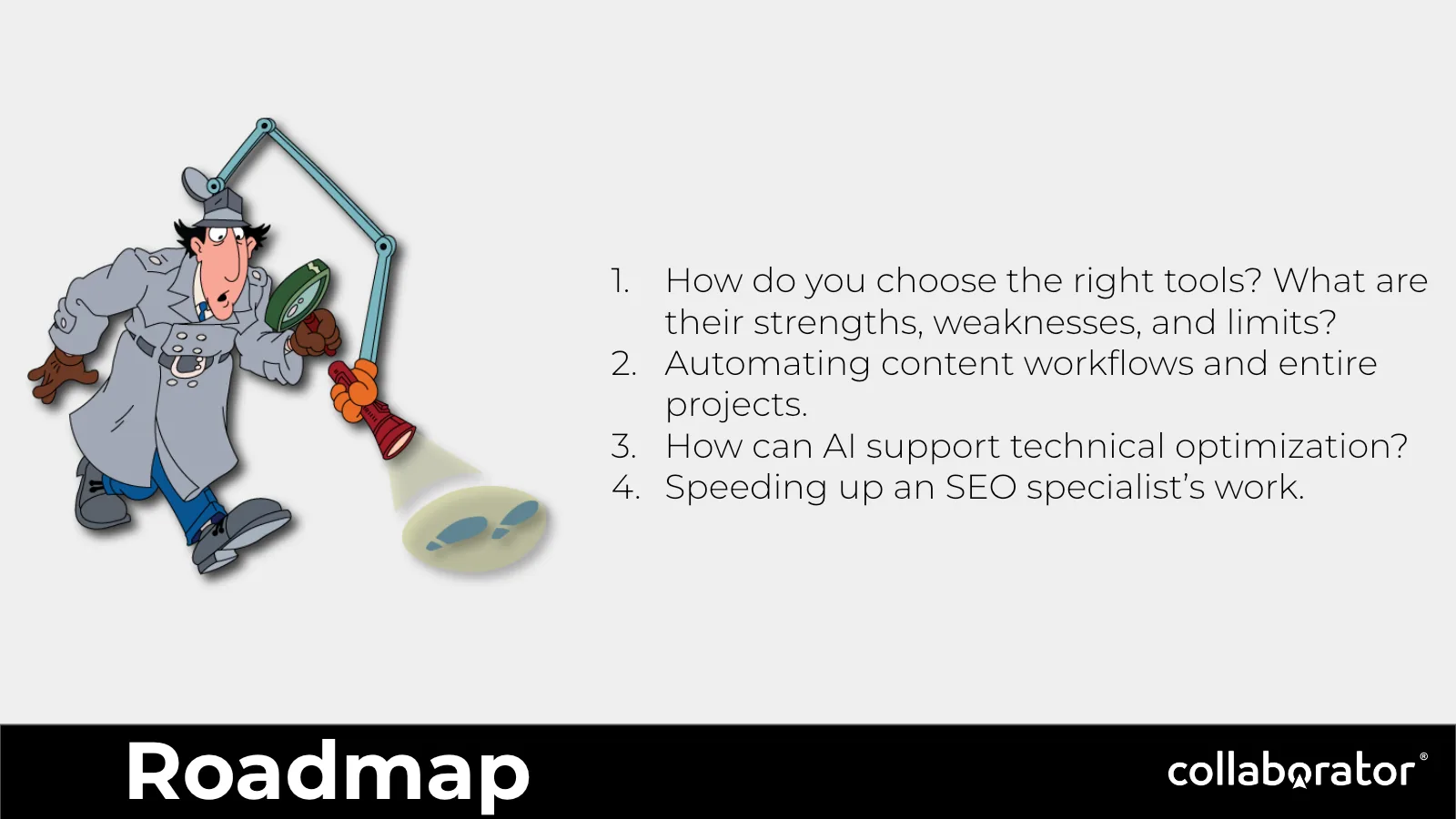
The most useful AI skill for an SEO specialist is not memorizing one perfect prompt. It is learning to choose the right tool for the task, understand its limits, and combine it with professional judgment. Inspector Gadget is a useful metaphor: the value is not the number of devices in the hat, but the ability to reach for the right one at the right moment.
This article is based on my lecture “Mastering SEO in the Age of AI: Become Inspector Gadget”. The source talk and deck are in Ukrainian; the slides below were localized into English.

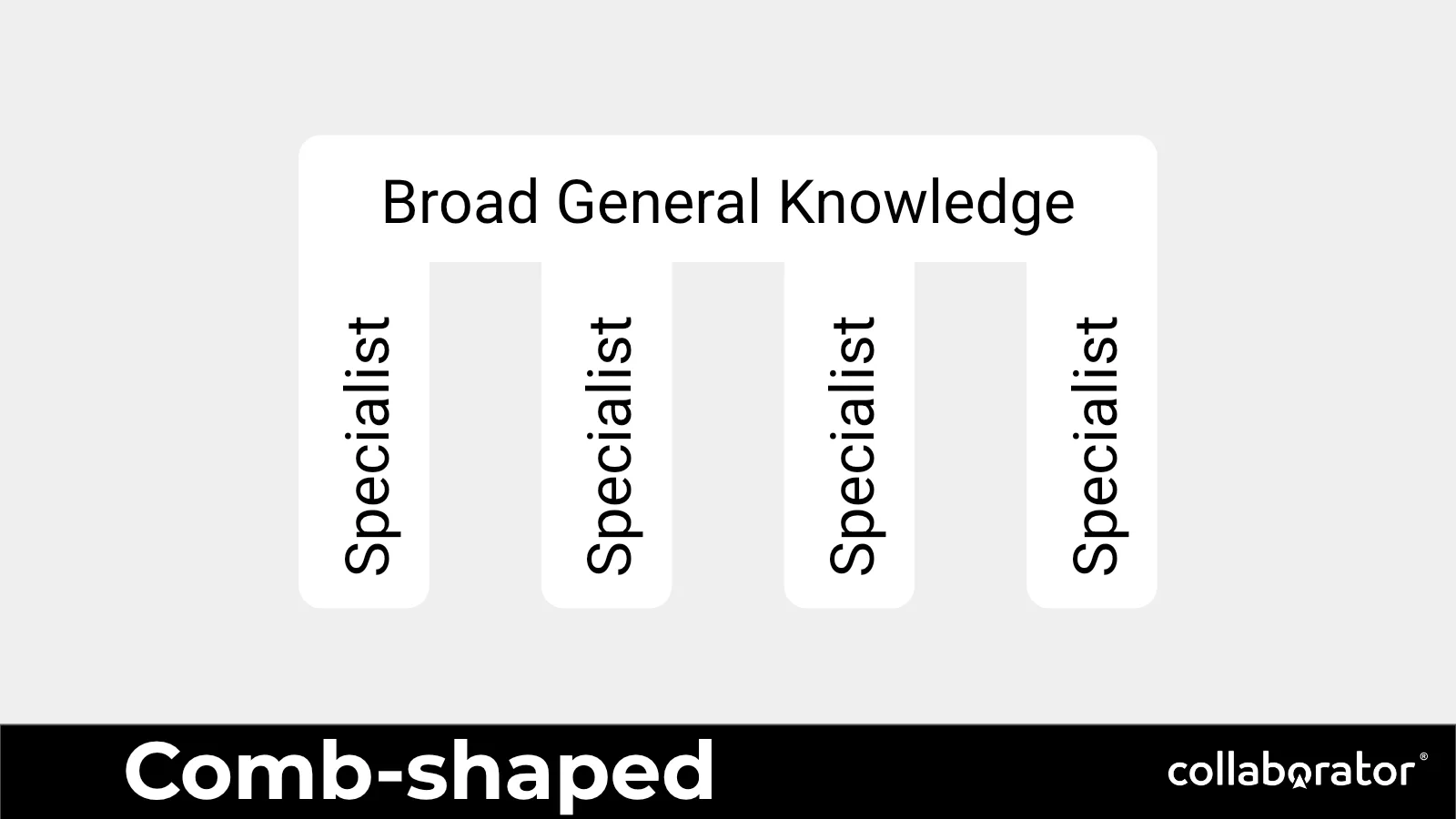
Build a Comb-Shaped Skill Set
Deep expertise still matters, but modern SEO increasingly overlaps with product management, analytics, engineering, content, and UX. A comb-shaped specialist has a broad base and several areas of real depth. You do not need to become a full-time developer; you need enough adjacent competence to collaborate, inspect an answer, and recognize when a tool is wrong.

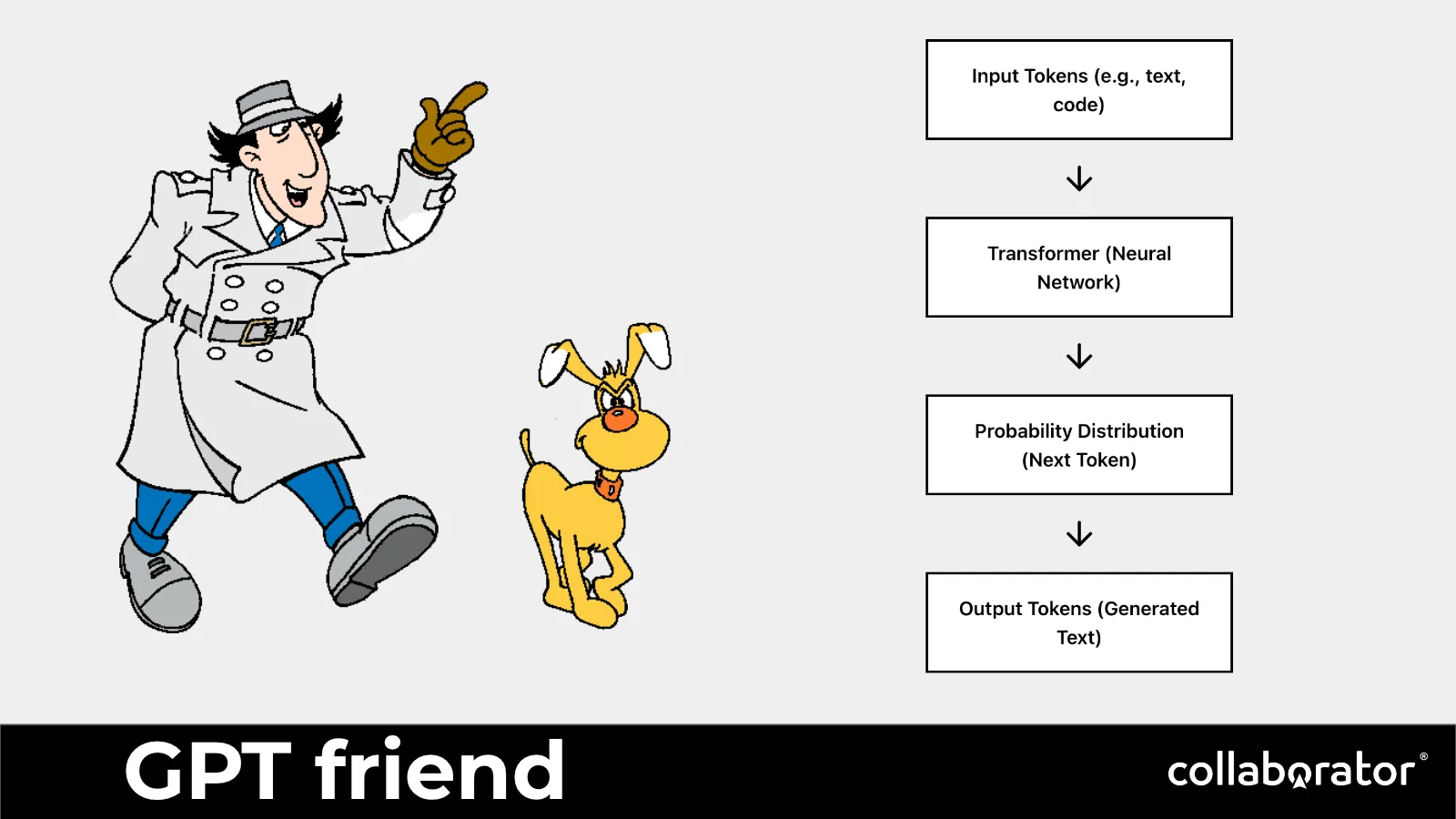
LLMs can accelerate that expansion. Ask for an explanation, an example, a diagnostic checklist, or comments on unfamiliar code. But treat the model as a capable friend, not an oracle. Its answer is generated from patterns, may omit facts, and may sound certain when it is wrong.
From Creator to Composer-and Back
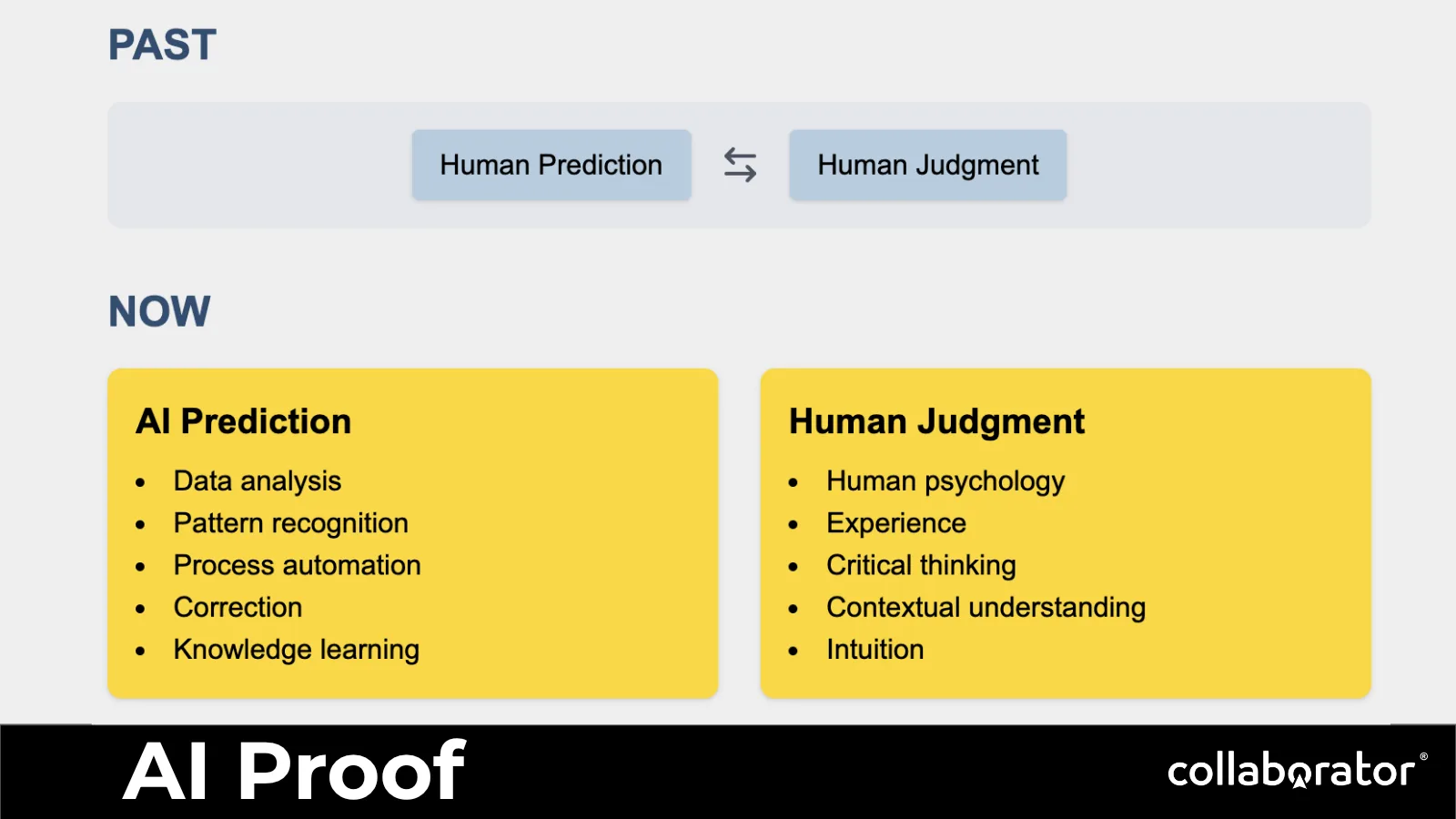
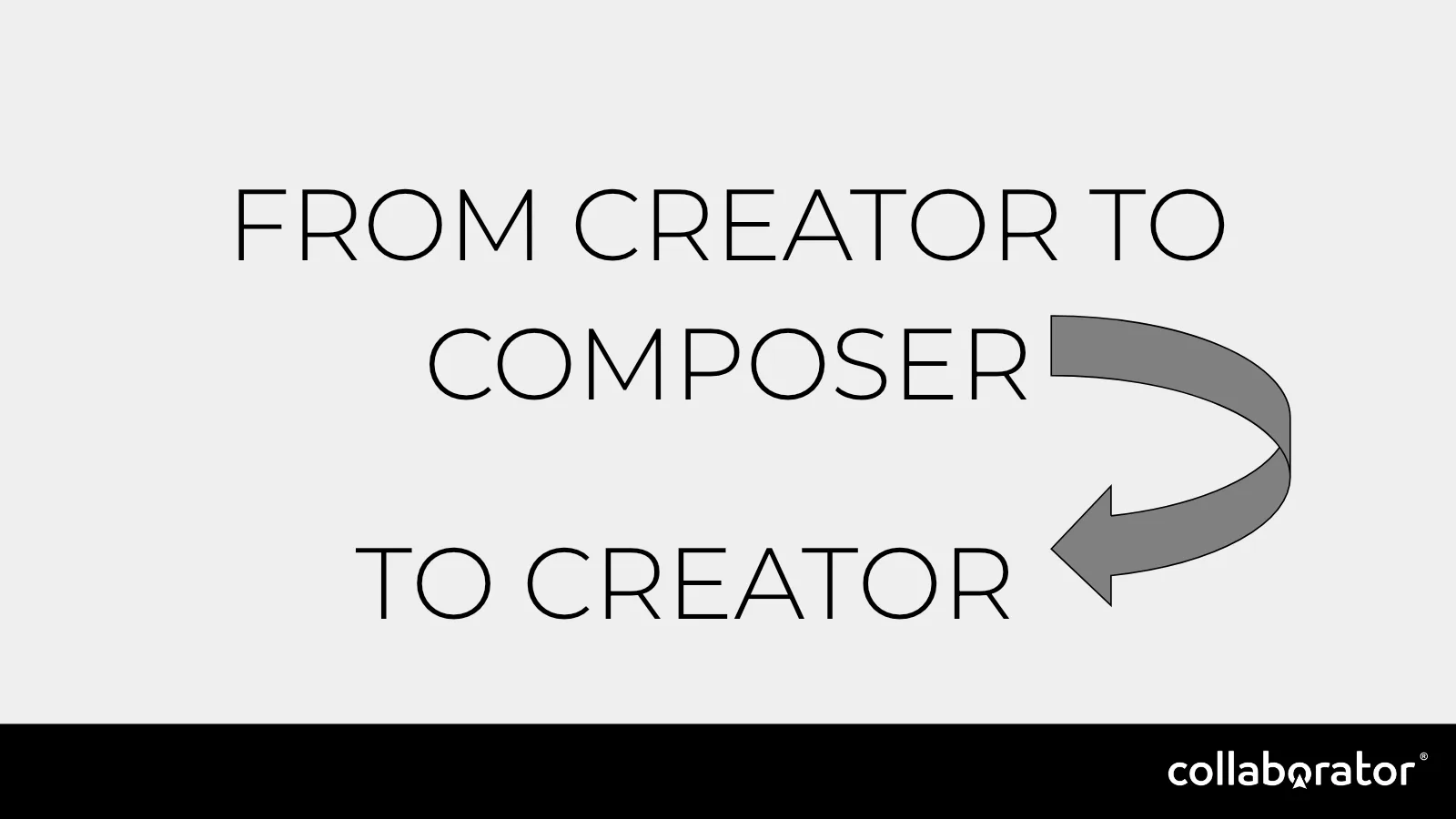
Early web specialists often created everything themselves. As platforms and libraries matured, we became composers: we assembled systems from existing components. AI makes composition so fast that a specialist can become a creator again - prototyping an app, a static site, a data workflow, or a browser tool without waiting for a full production team.

Understand the Model Before Choosing It
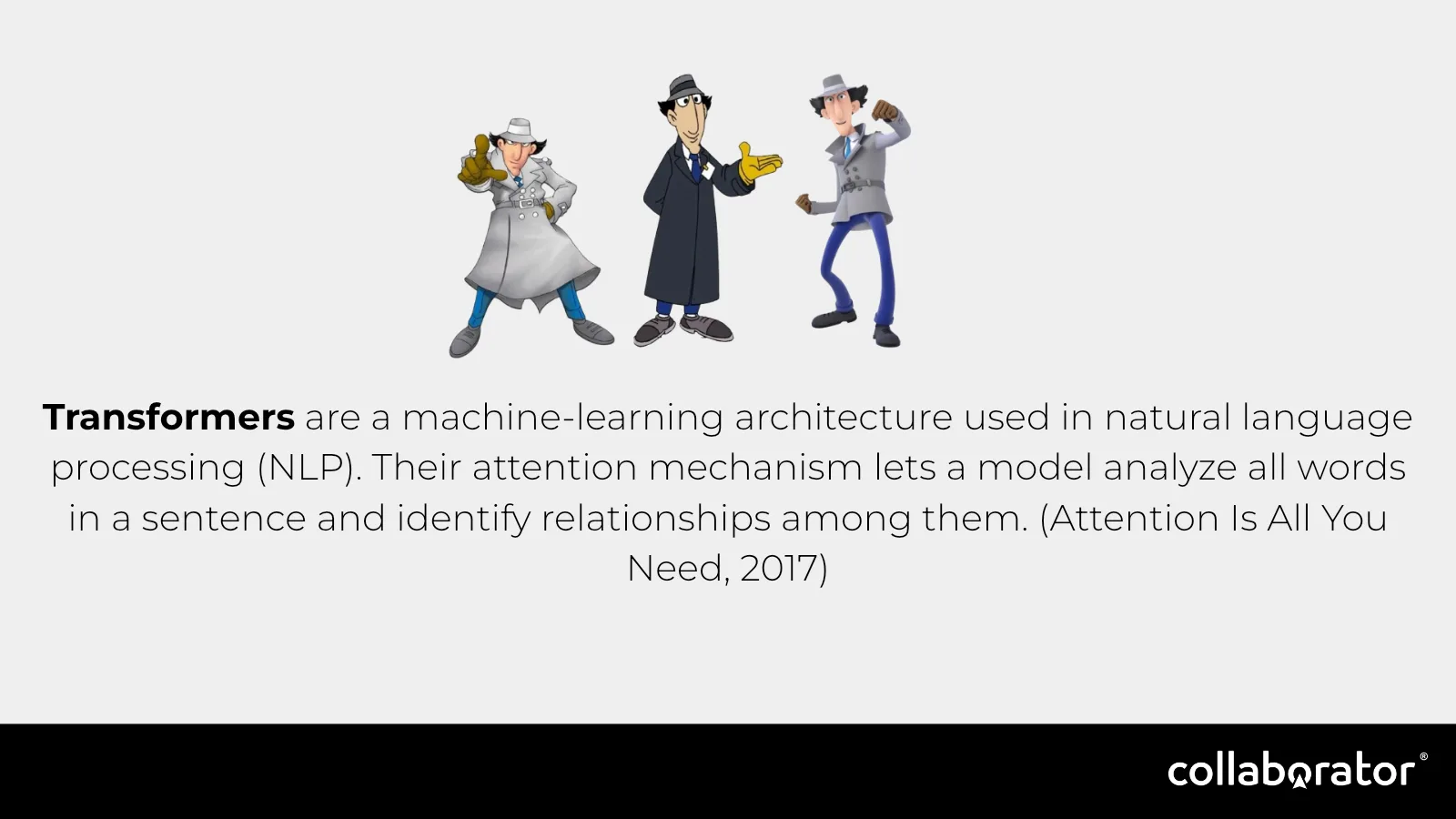
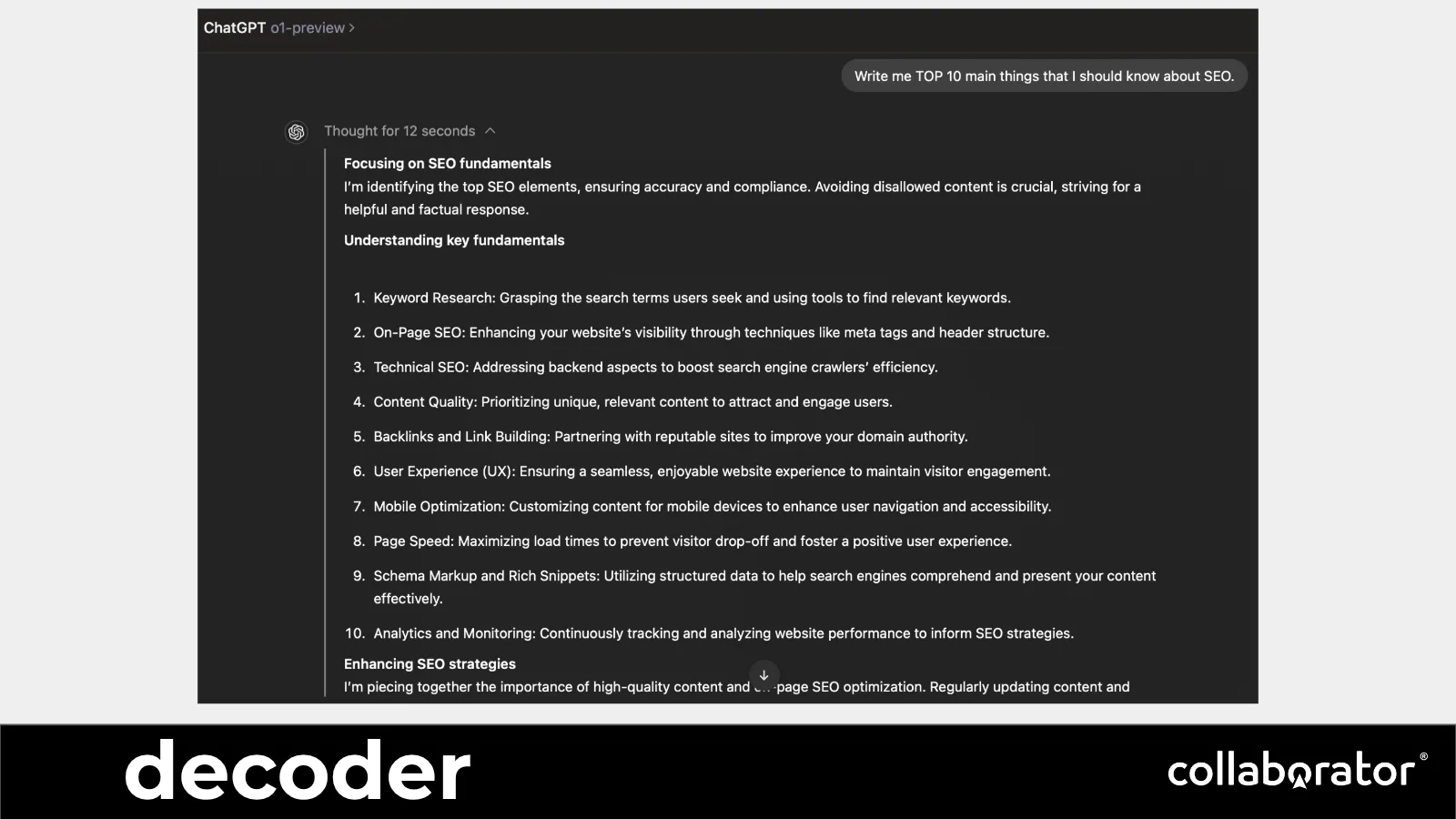
Many tools use transformer architectures, but they are not interchangeable. Decoder-oriented systems such as GPT are optimized for generation. Encoder-oriented models such as BERT are useful for understanding and classifying text. A content workflow may therefore use one model to extract entities and topical coverage from search results and another to generate a draft from that structured brief.
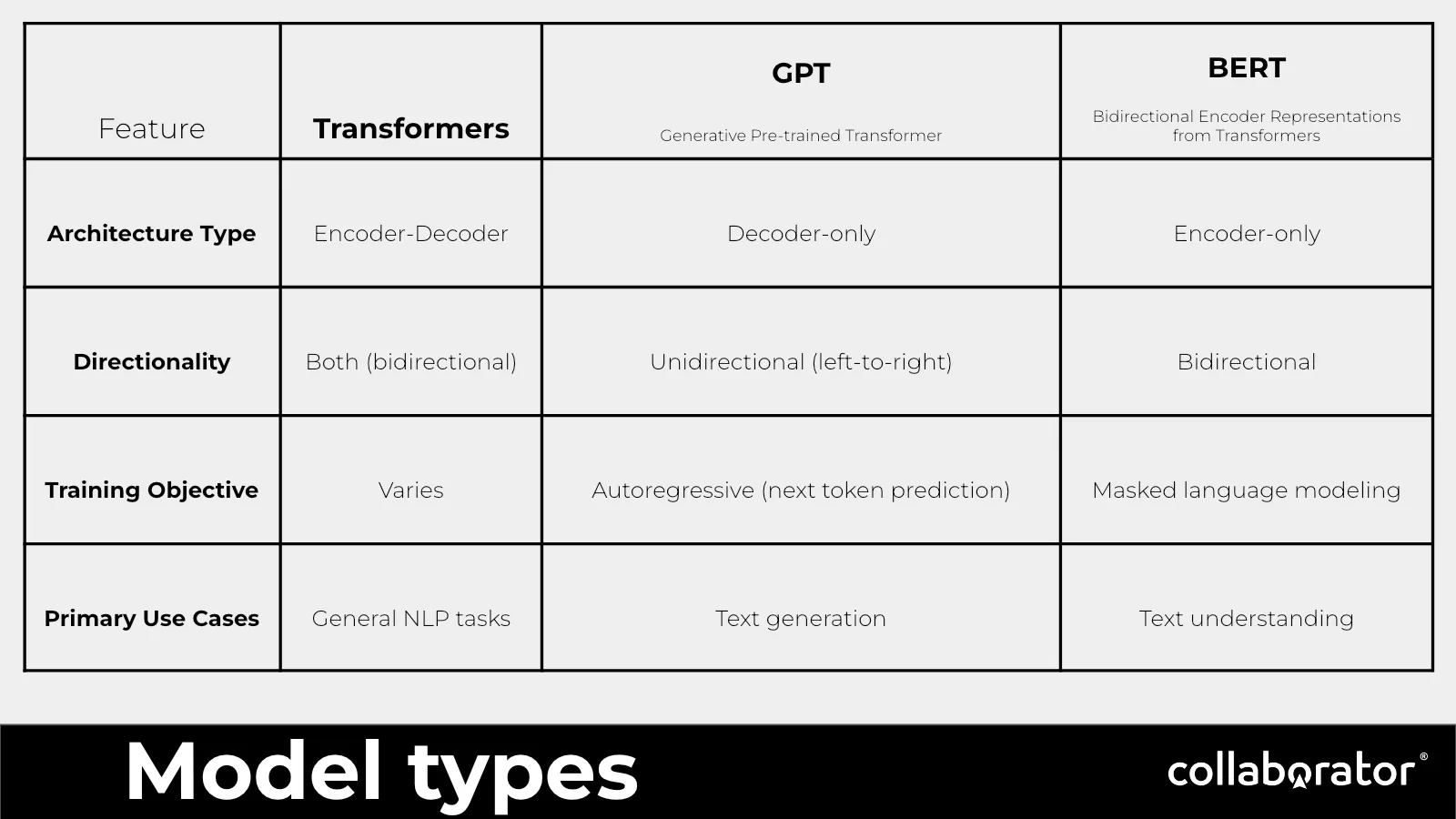
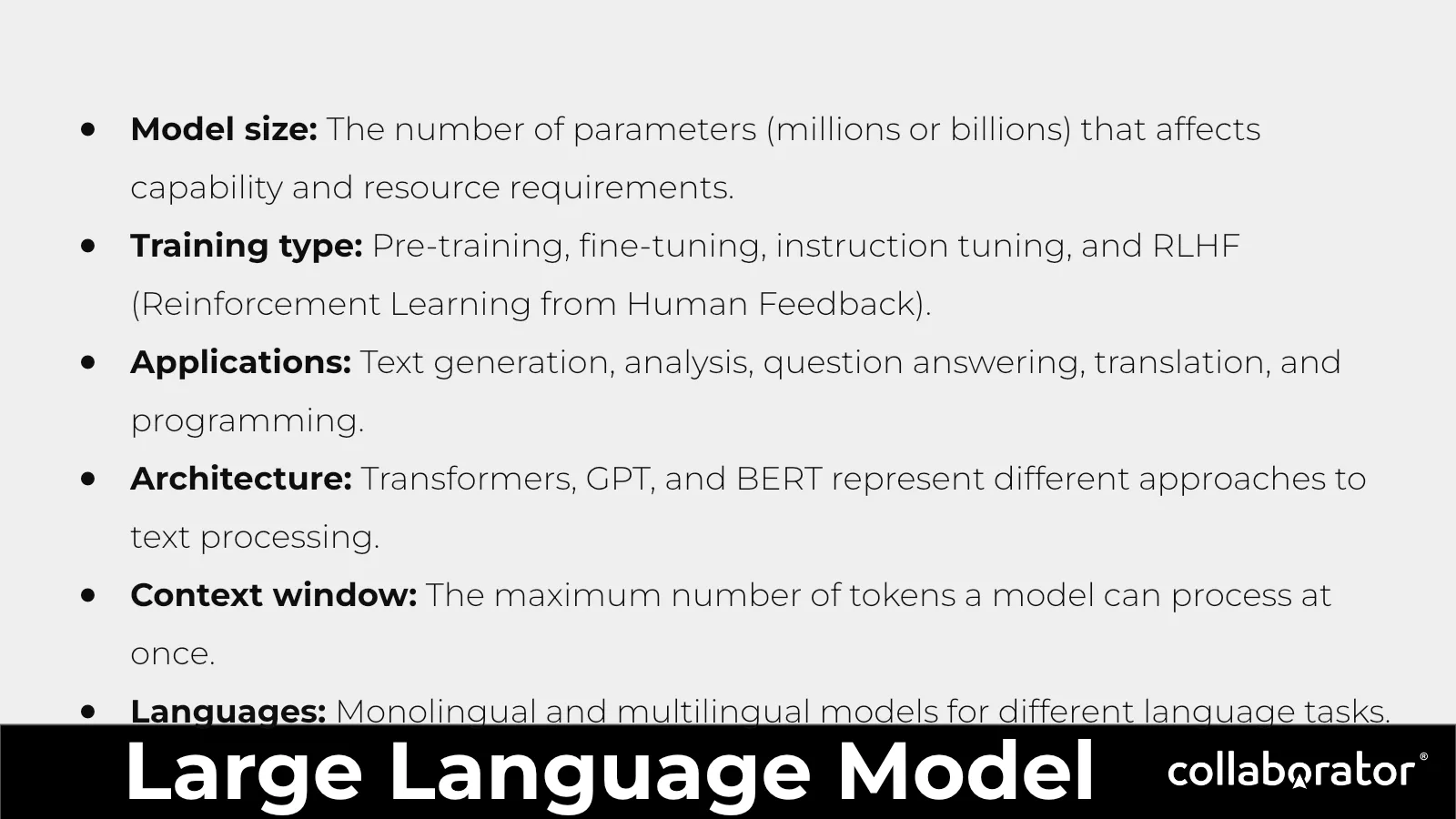
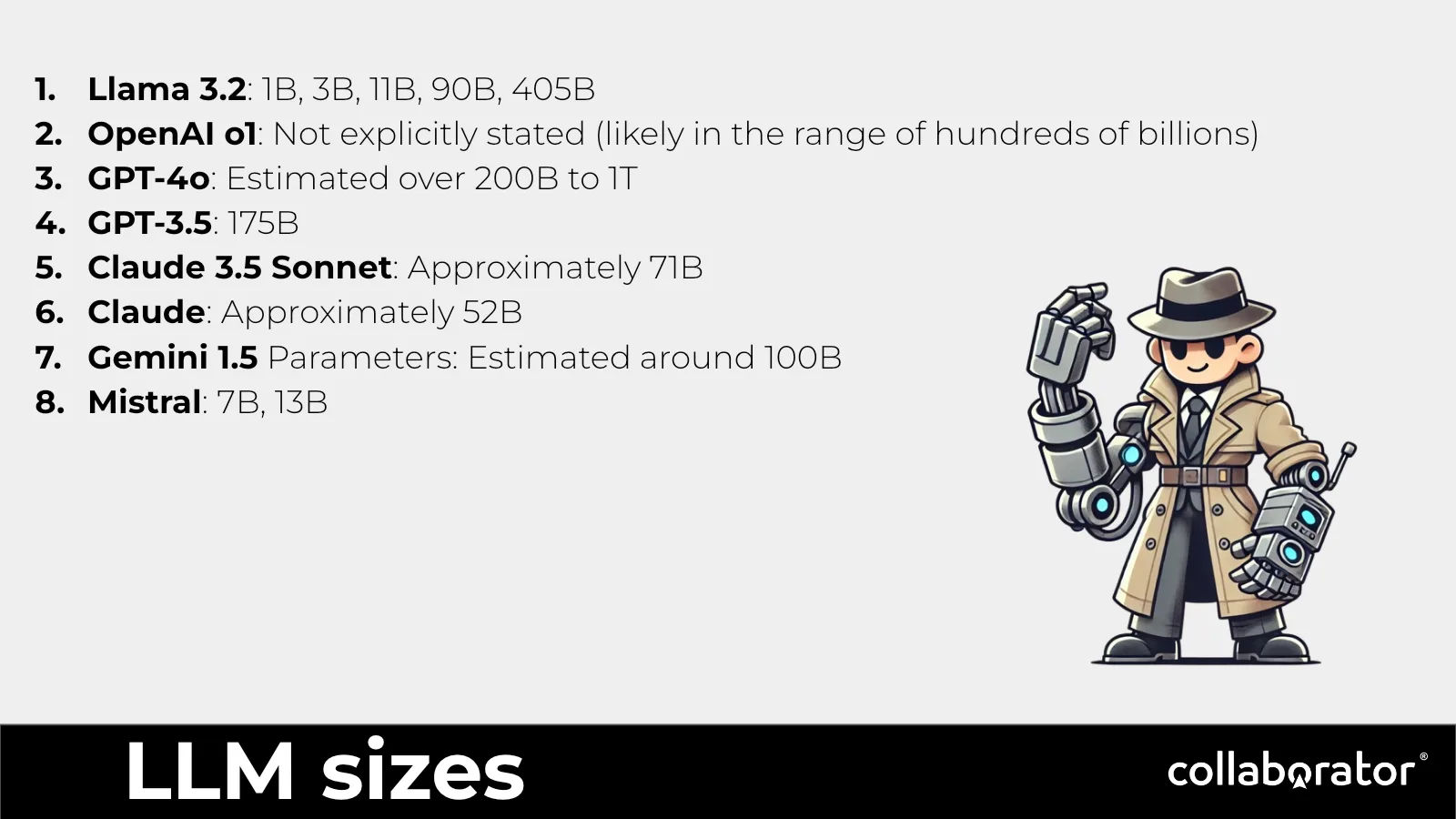
Model size is only one variable. Also consider training type, fine-tuning, intended application, context window, and language coverage. A smaller model trained for a narrow task can be cheaper, faster, more private, and more accurate for that task than a frontier general model.
Small Models and Better Unit Economics
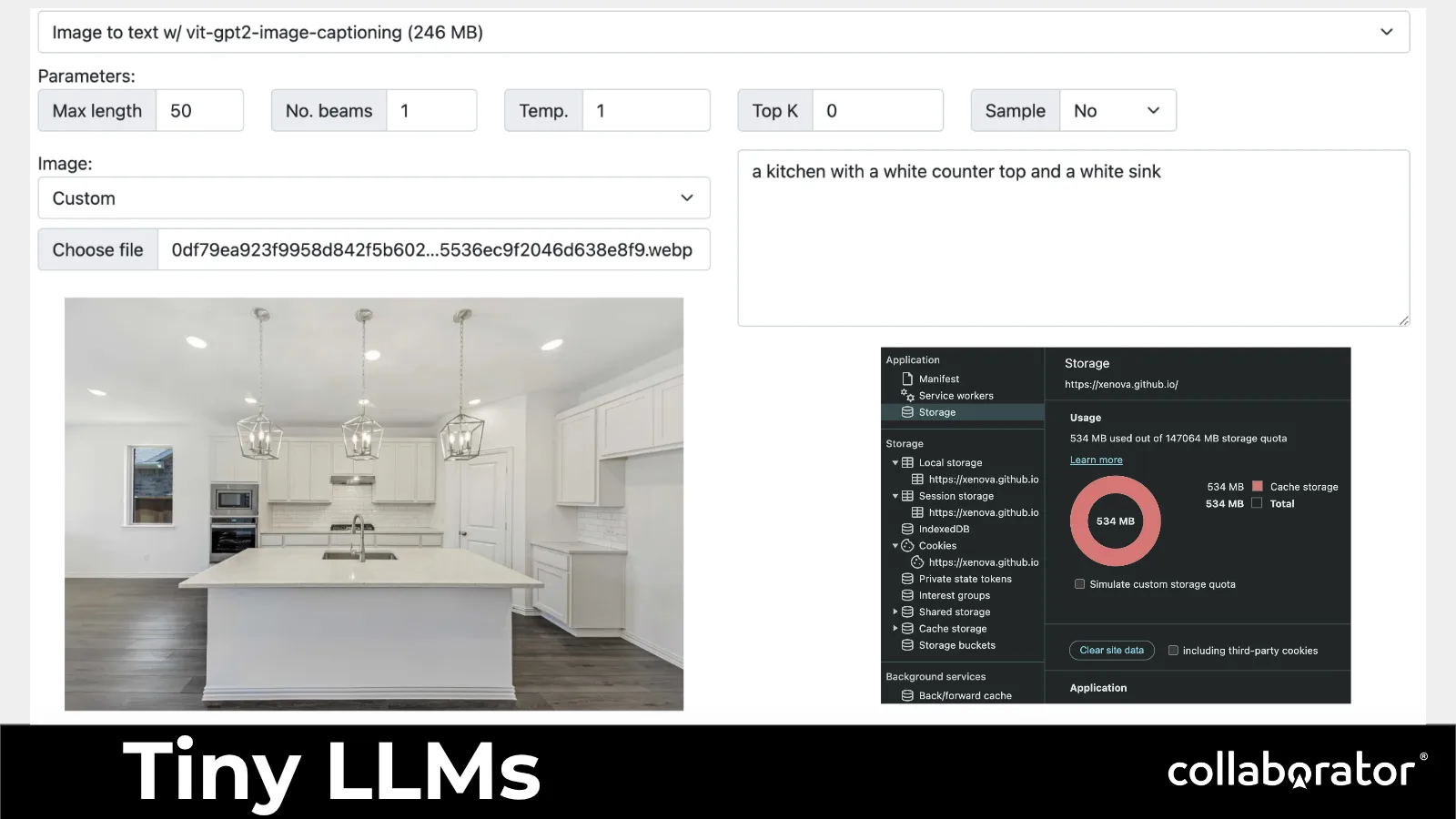
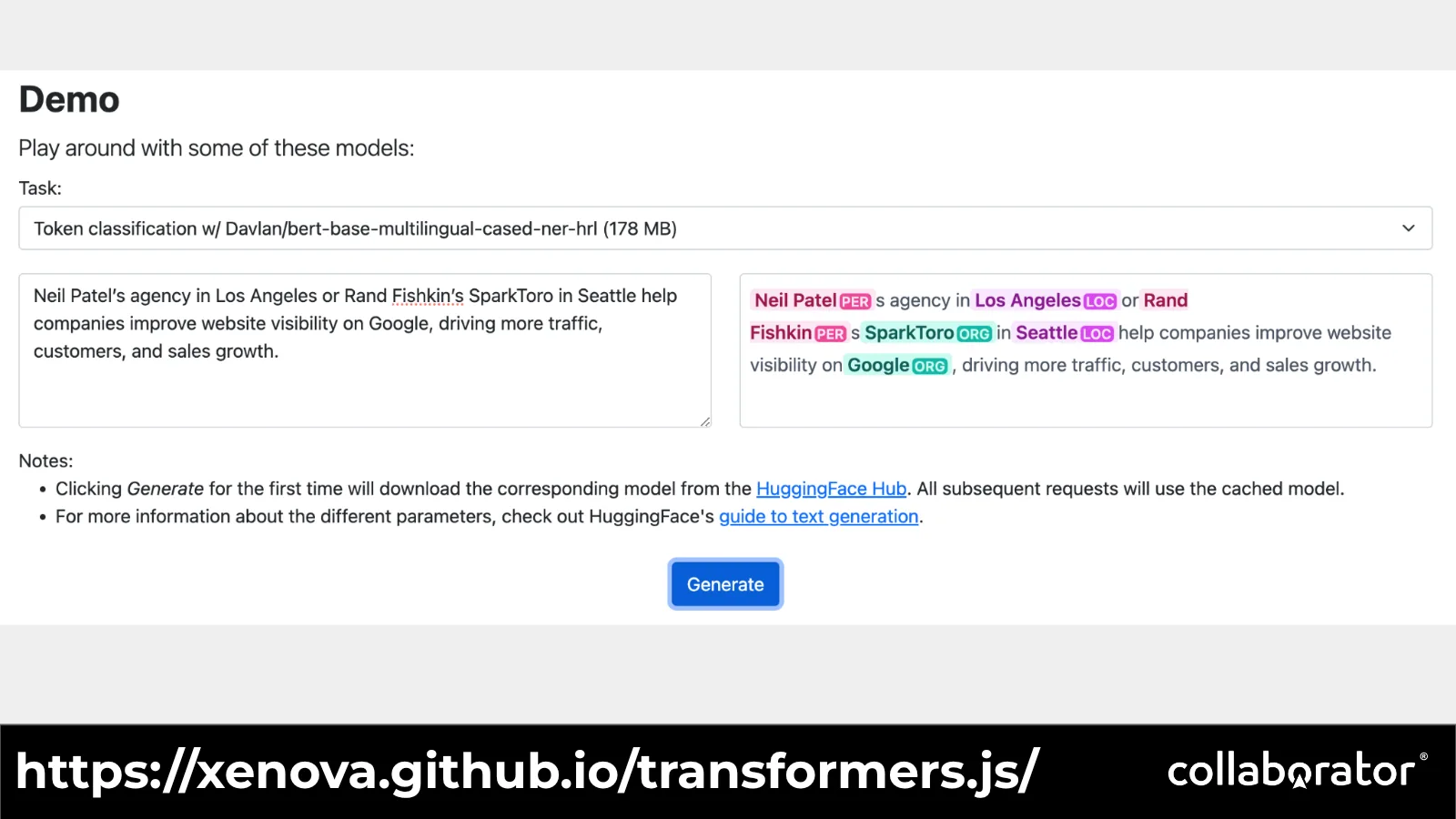
Describing an image for an alt attribute or extracting people, organizations, and locations from news does not necessarily require an expensive general model. Tiny local models can perform those operations in a browser or on a server. At scale, the difference between a narrow model and a premium API becomes a product decision.
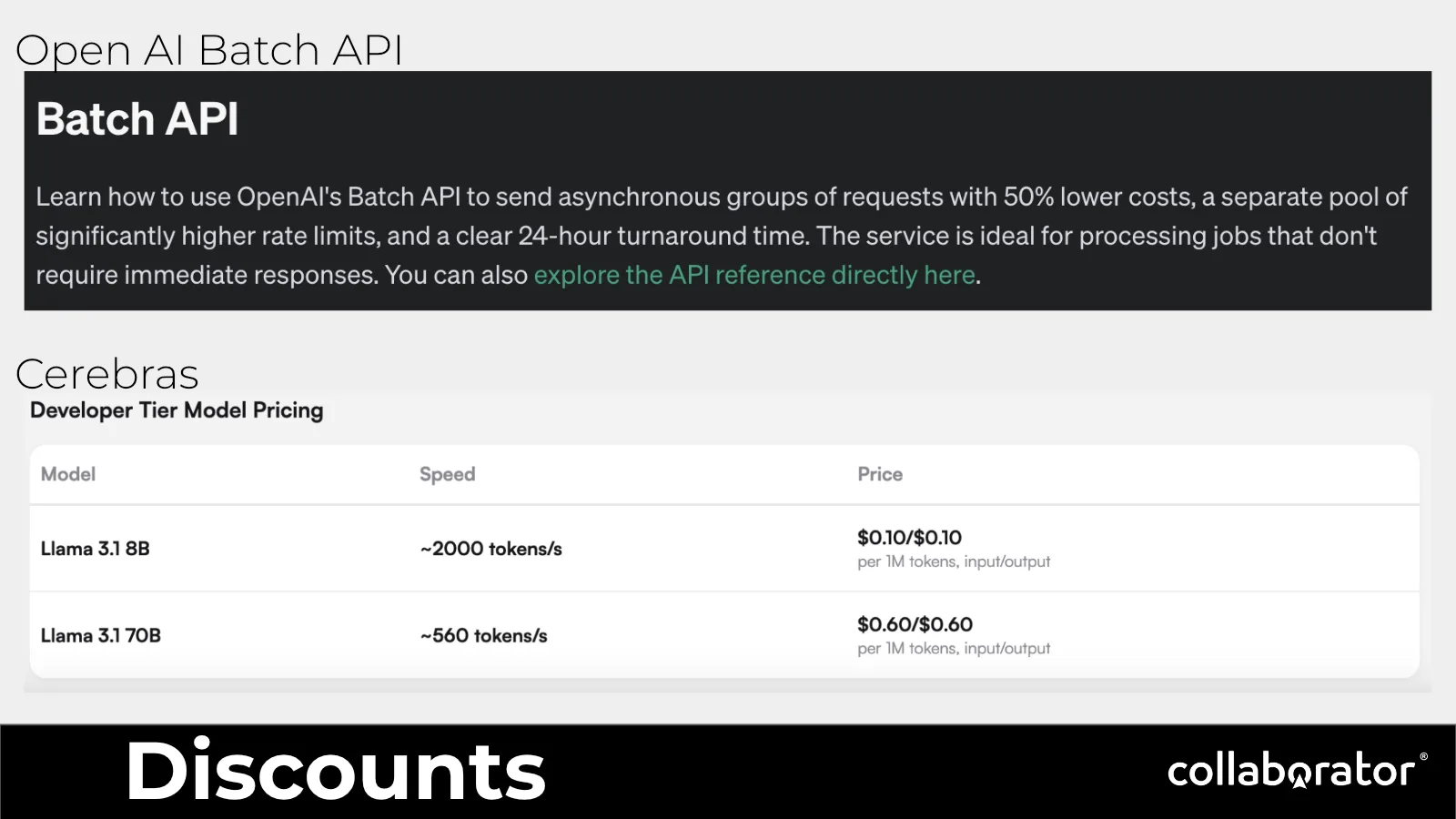
If a hosted model is more practical, optimize the purchasing model. Batch APIs can trade latency for a discount, while providers that host open models may offer much lower token costs. The cheapest architecture is the one that meets the required quality, latency, privacy, and maintenance constraints - not automatically the local one.
Use AI as a Research Interface
Perplexity is useful when the task is to find a concrete answer, research papers, videos, or discussions and retain links to sources. Its related questions can also expose adjacent intents for editorial research. The important habit is to follow the evidence, not copy the synthesis blindly.
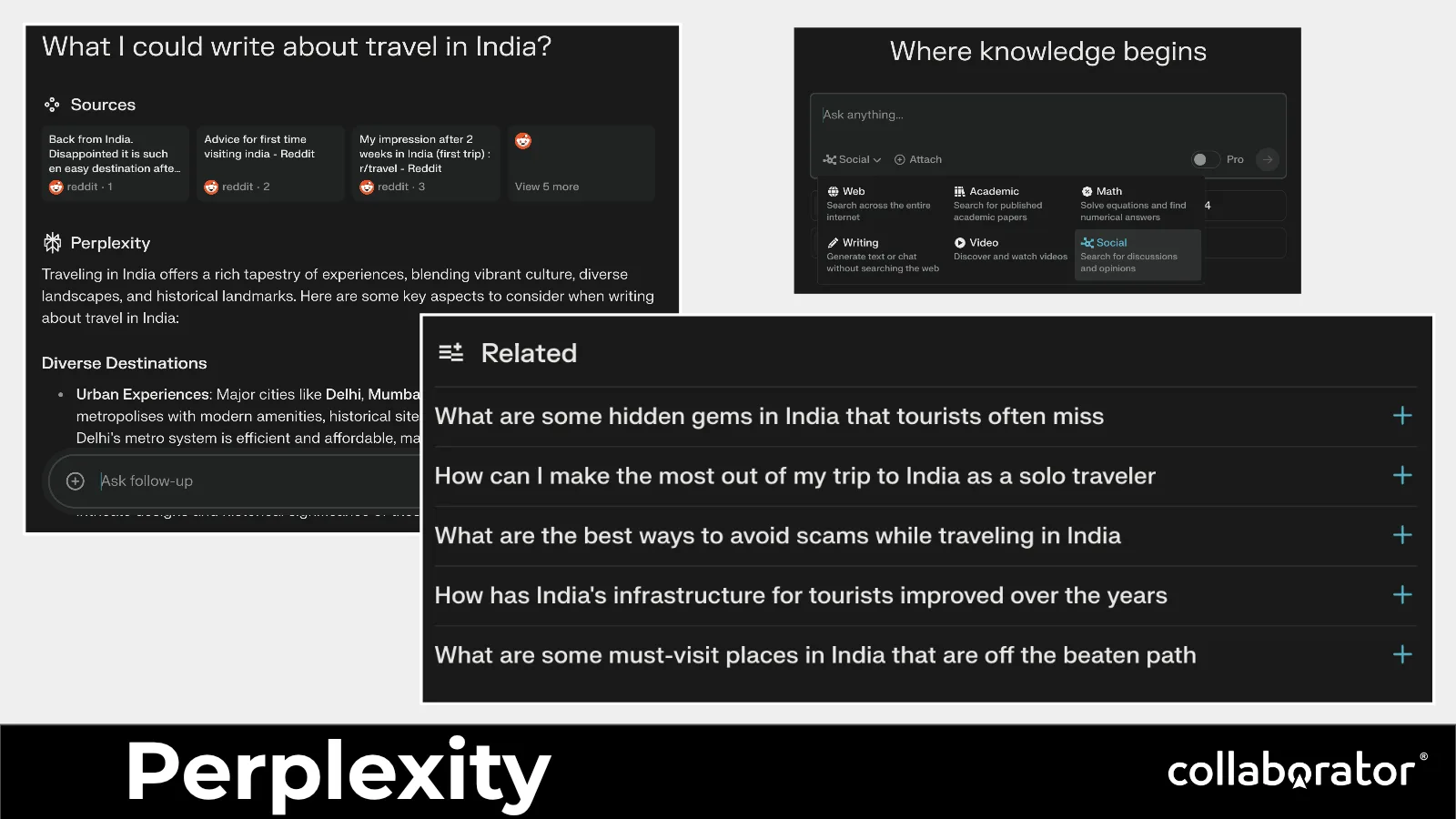
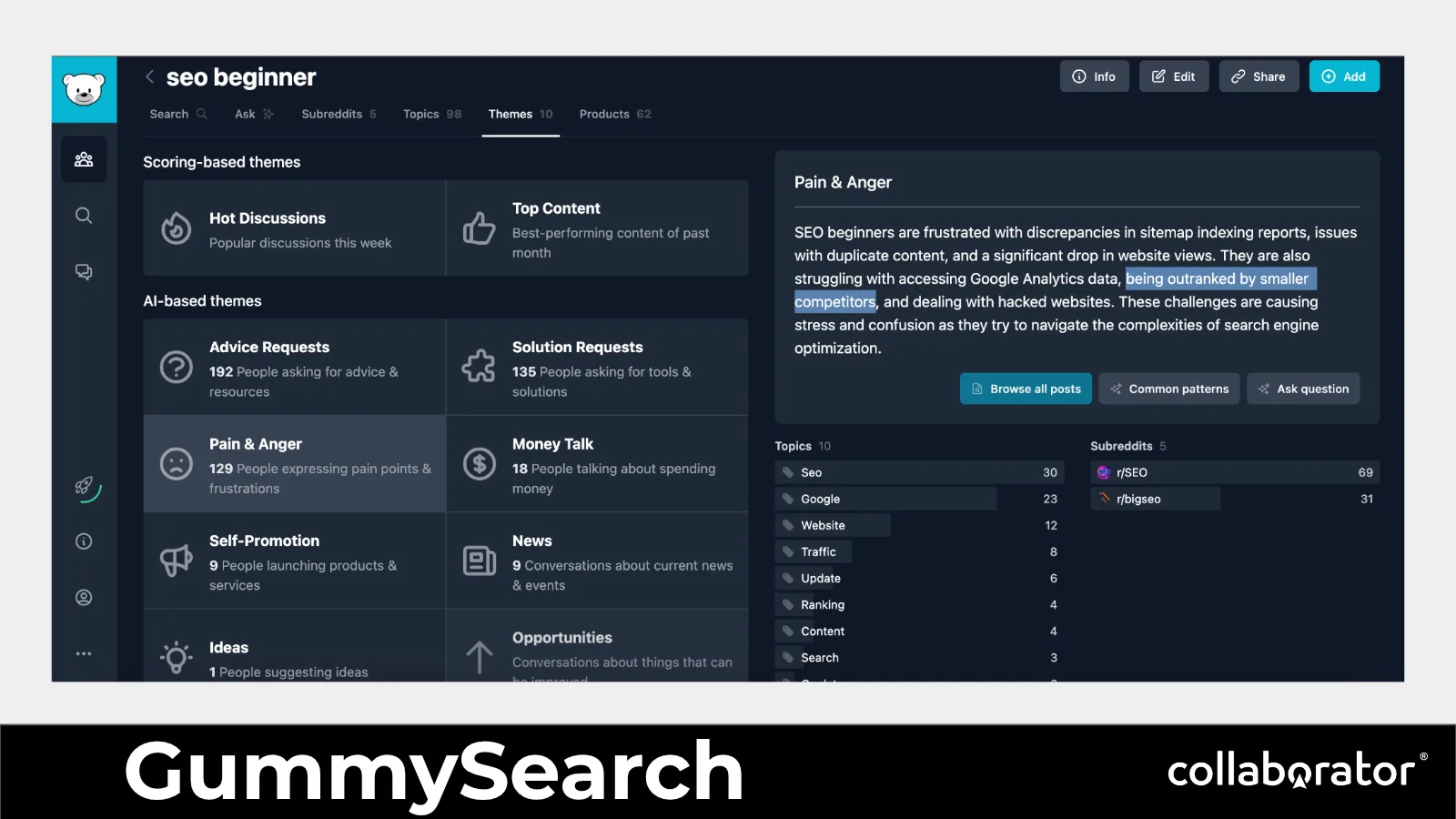
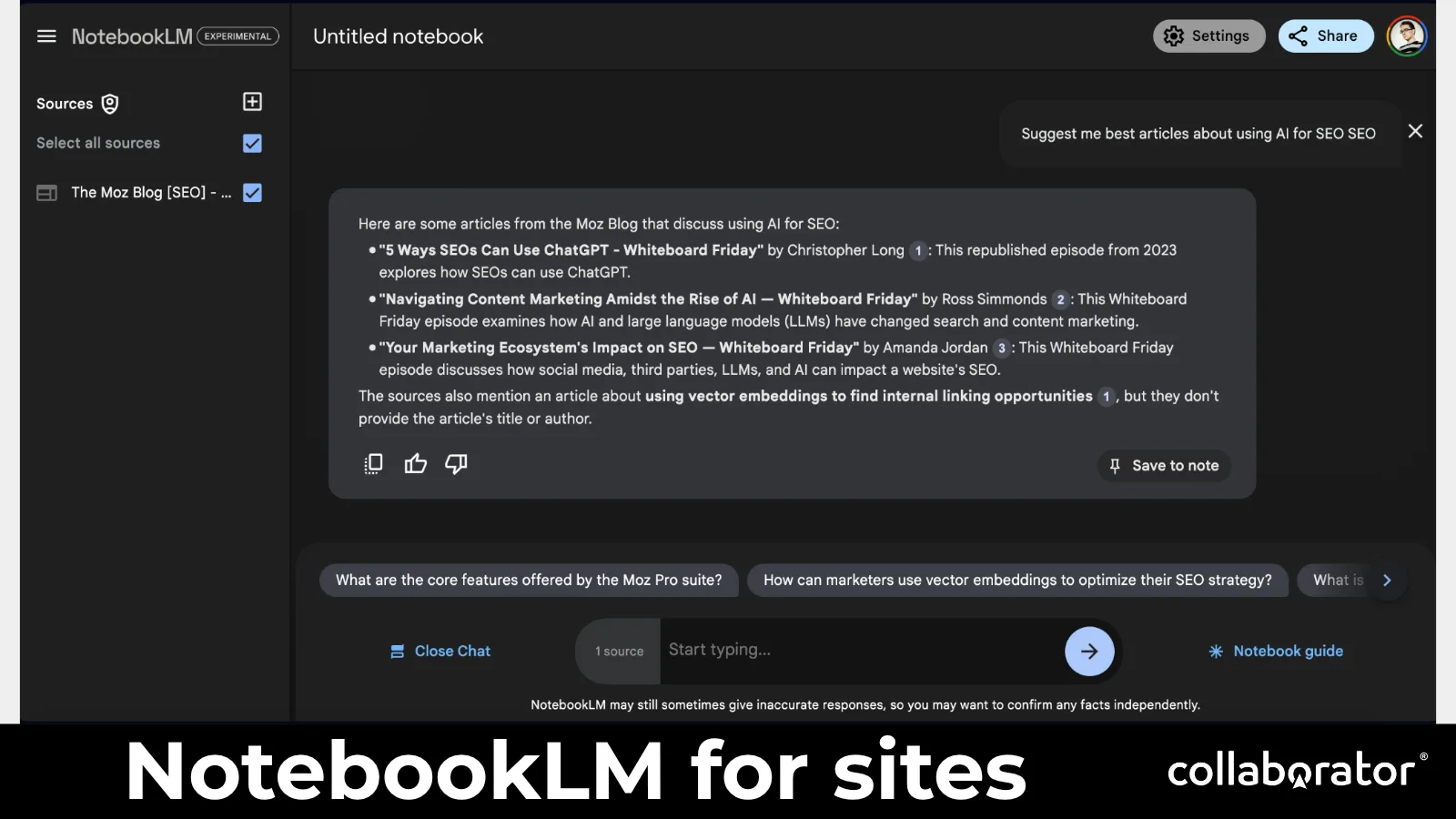
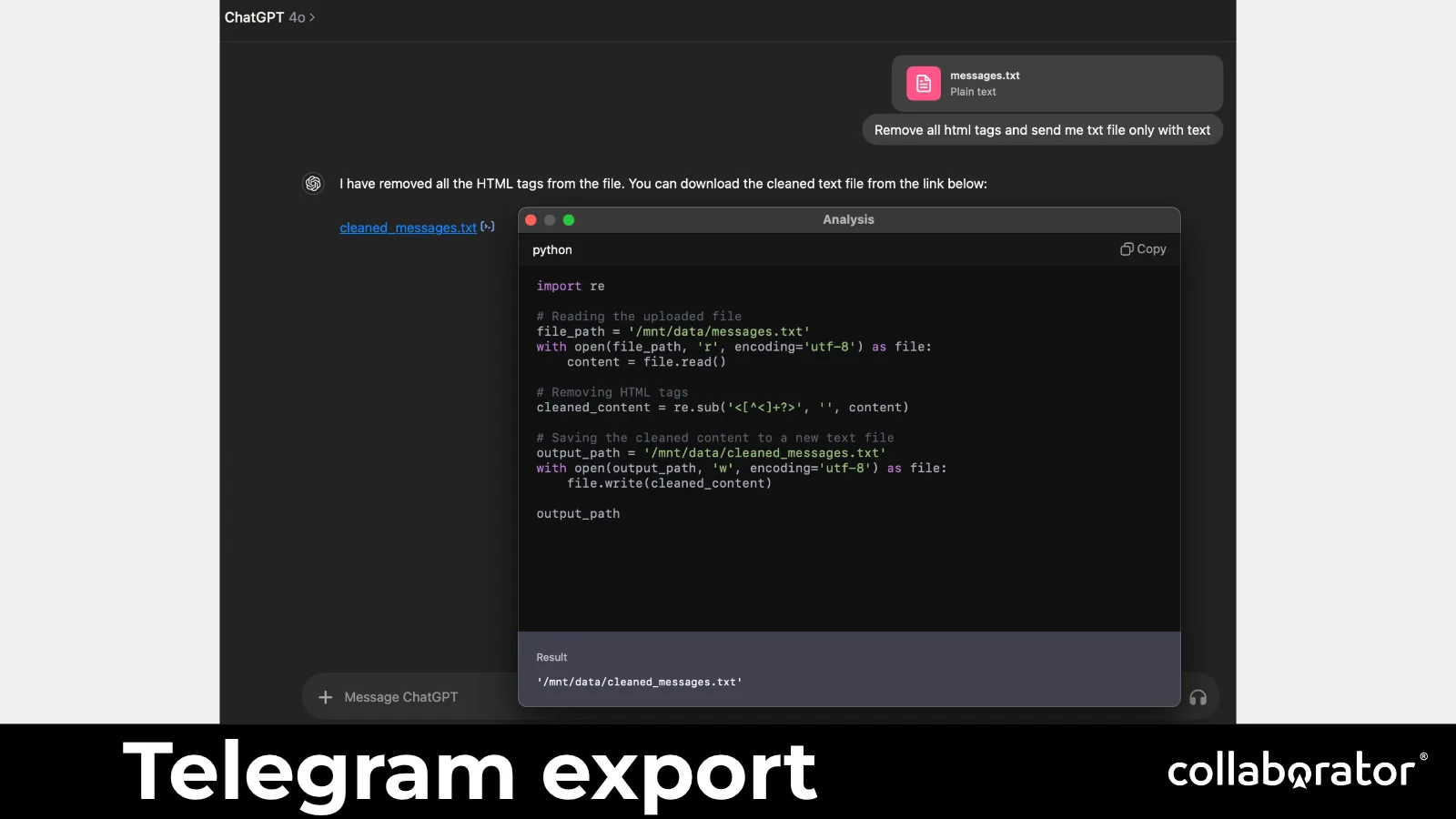
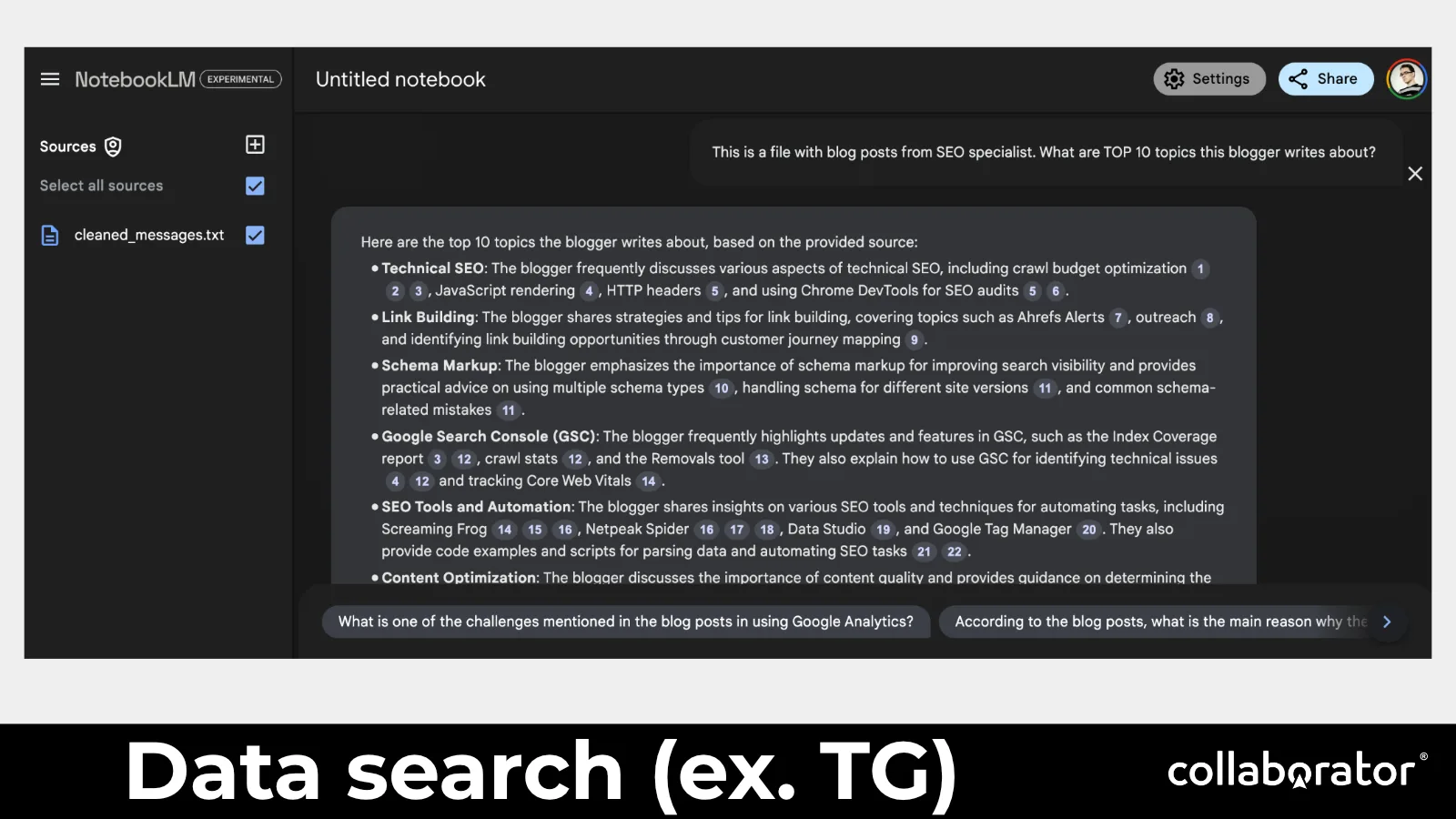
Communities contain language that keyword tools often miss: pain points, objections, failed attempts, and unexpected use cases. Services such as GummySearch can organize Reddit discussions, while NotebookLM can turn a bounded collection of files, websites, and YouTube videos into a queryable research space.
Prompting Is Specification Work
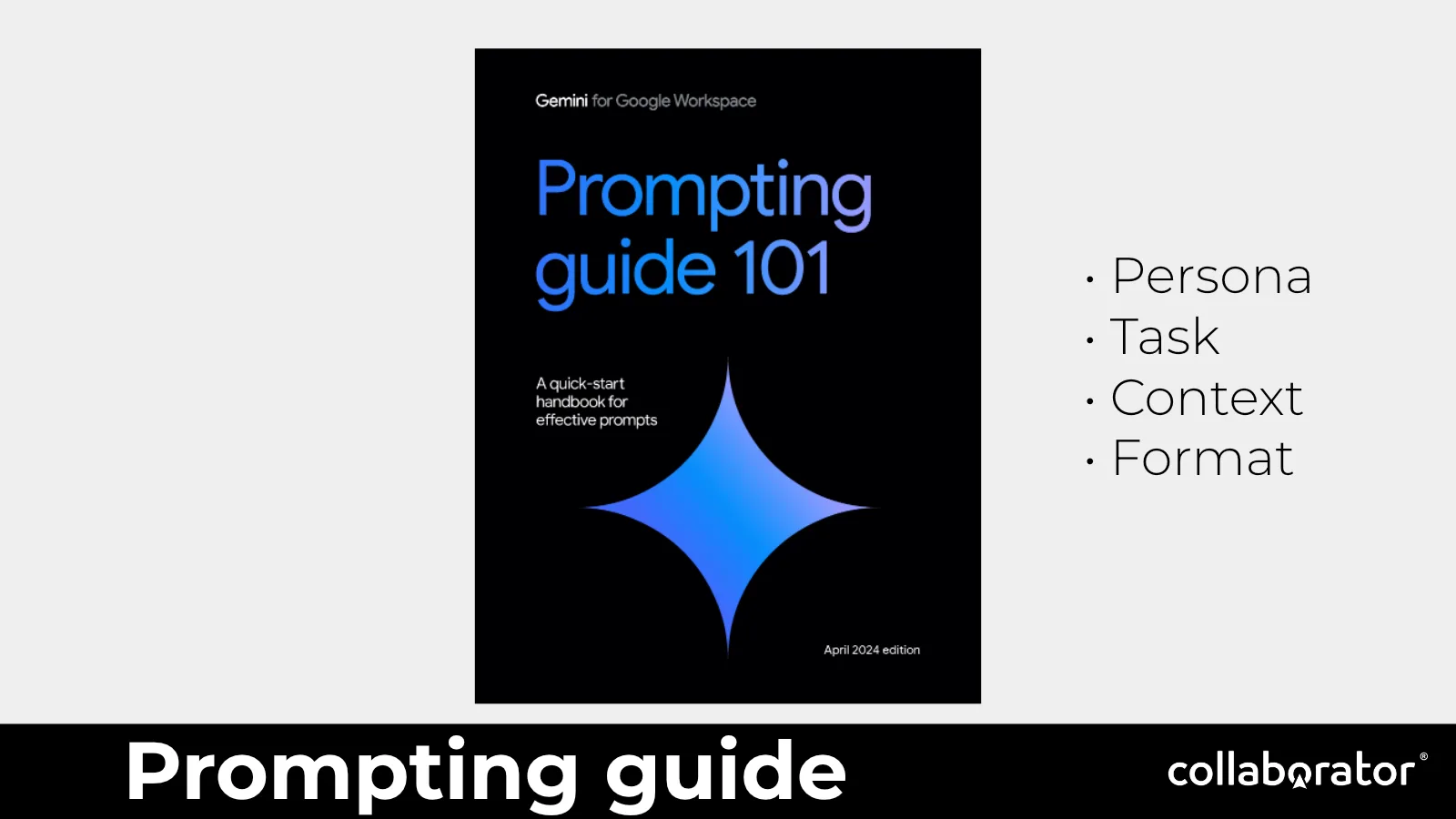
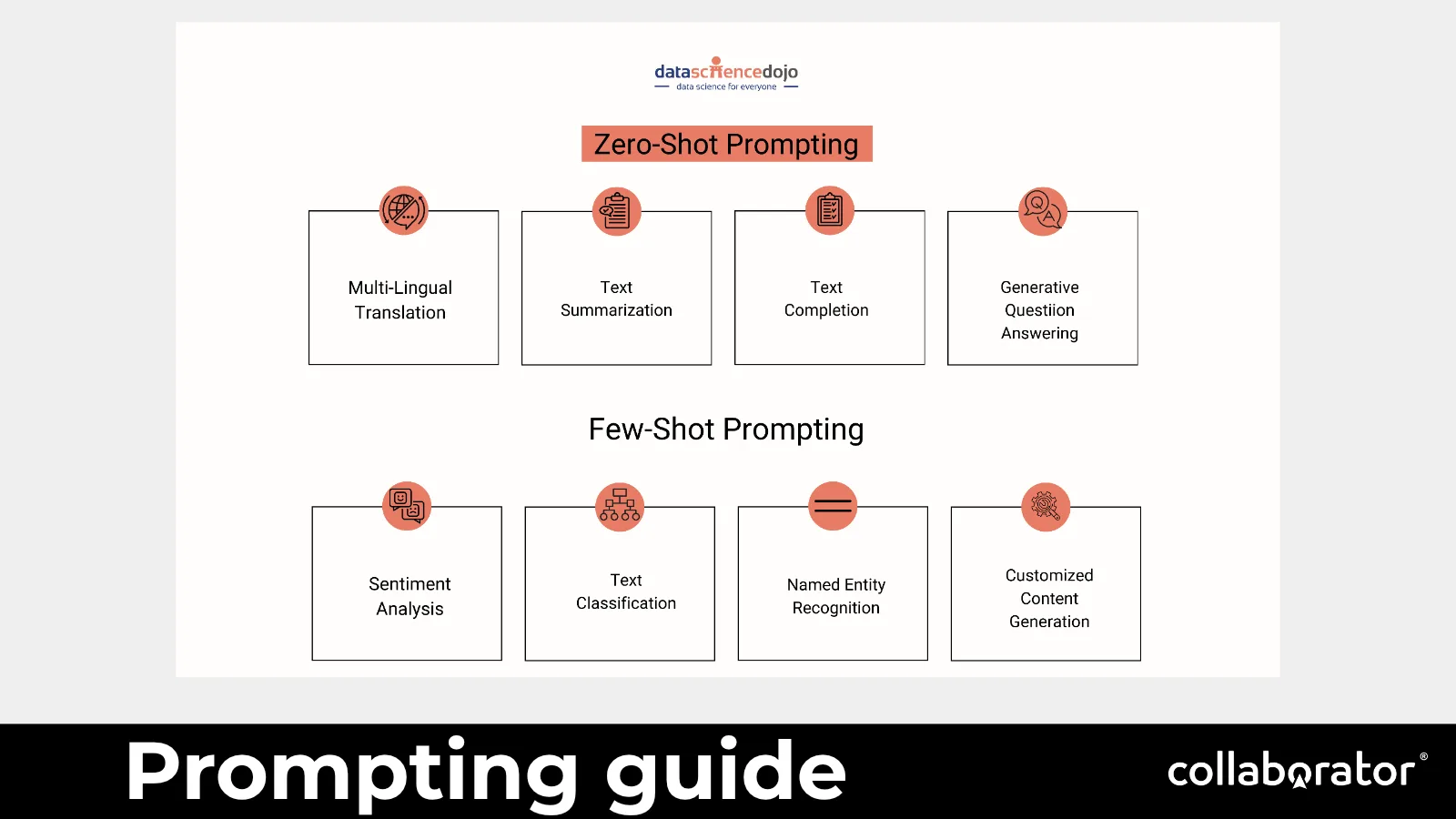
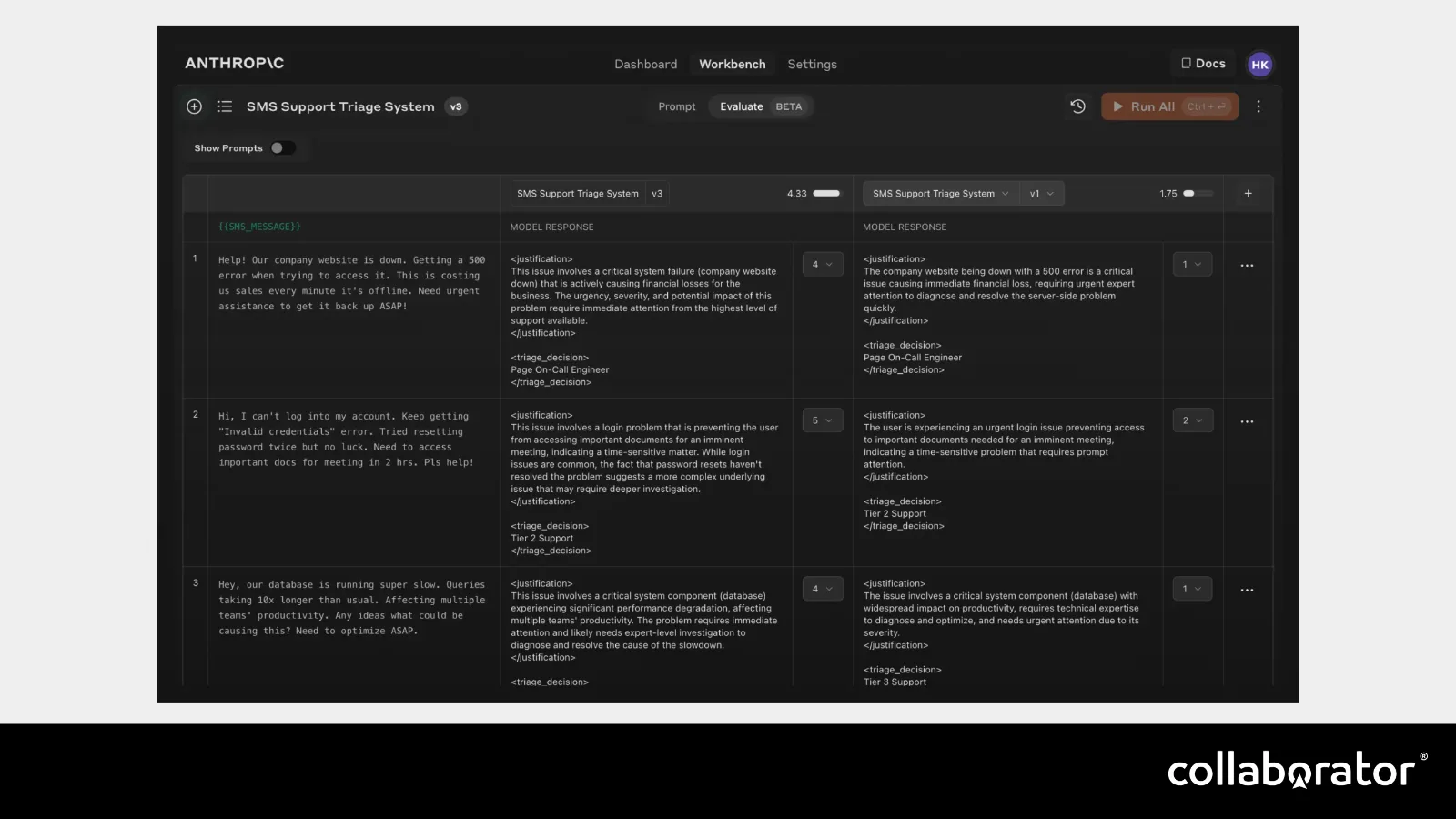
A reliable prompt identifies the role, task, context, and expected format. For translation, a zero-shot instruction may be enough. For classification or quality judgment, examples of good and bad outputs usually help. This is few-shot prompting: the examples define the boundary more clearly than adjectives such as “high quality.”
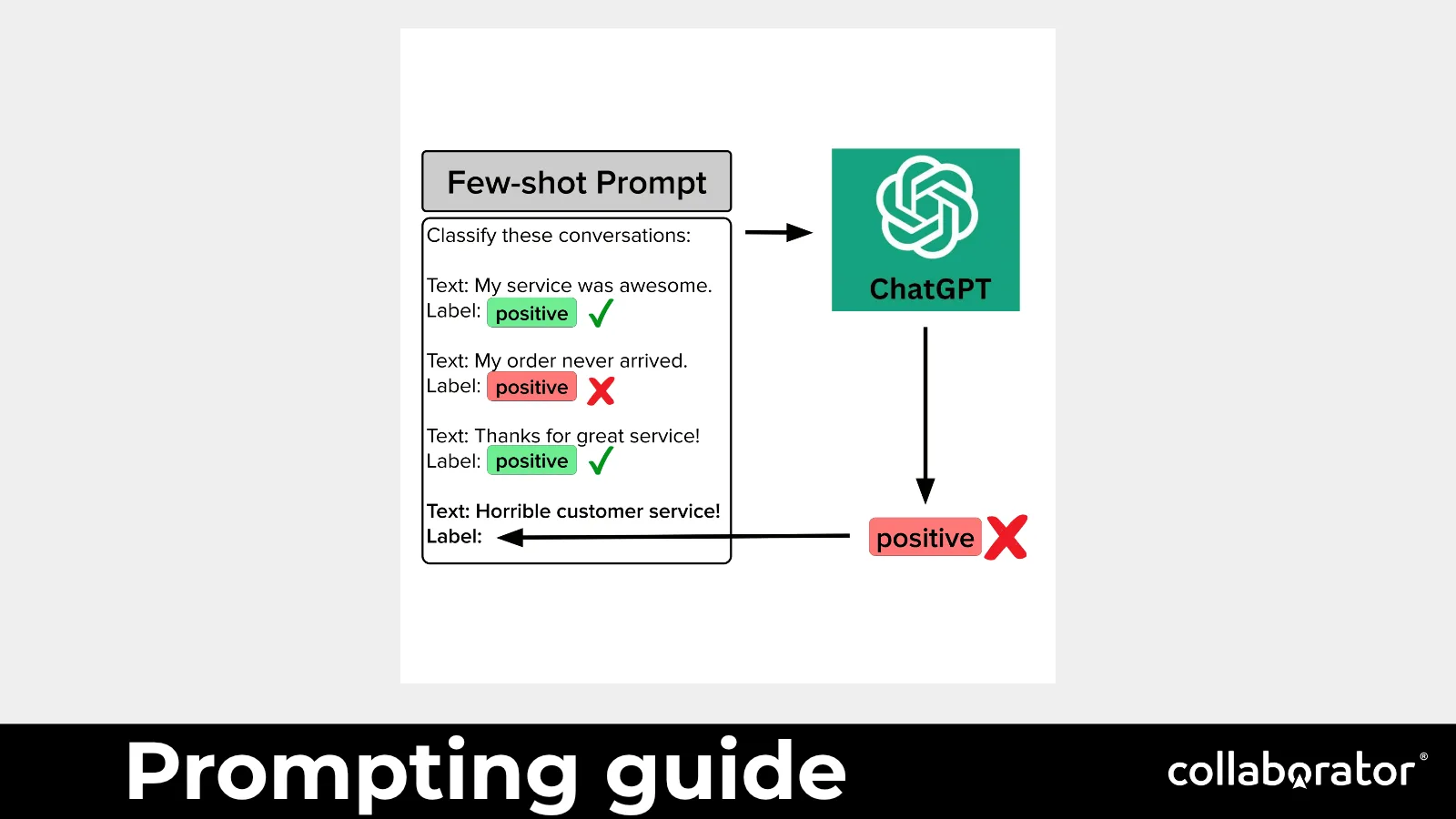
Small wording changes can alter results. Before rewriting the entire prompt, regenerate a few times to distinguish a weak instruction from sampling variance. For production work, test a prompt against a set of representative cases and compare outputs rather than trusting one impressive response.
Let AI Explain and Modify Code in Context
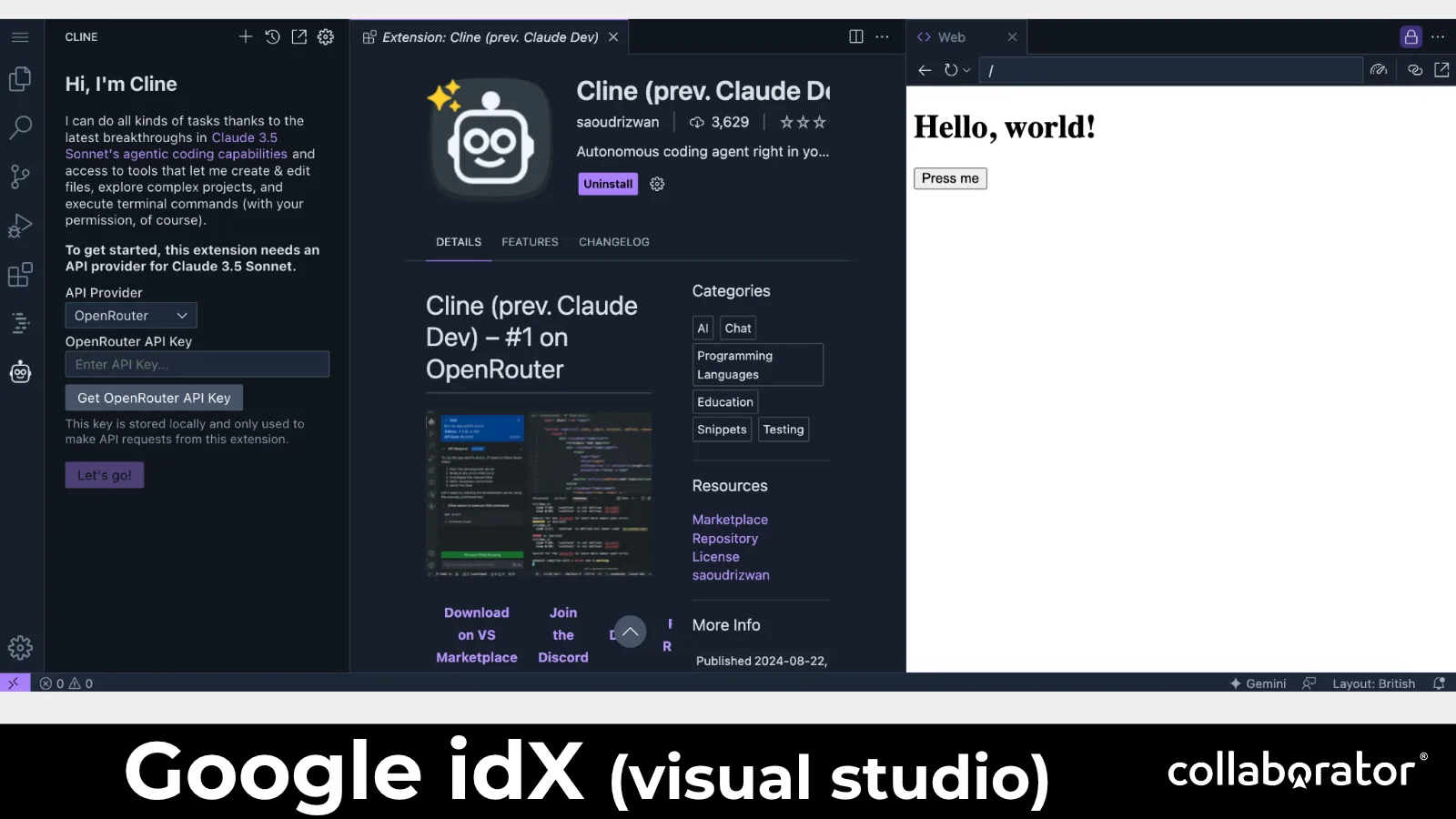
Cloud development environments such as Google IDX can combine source files, a running preview, and an AI assistant. That makes them useful for learning: select an unfamiliar function, ask for comments, change one behavior, run the result, and inspect the difference.


Optimize for Team Capacity
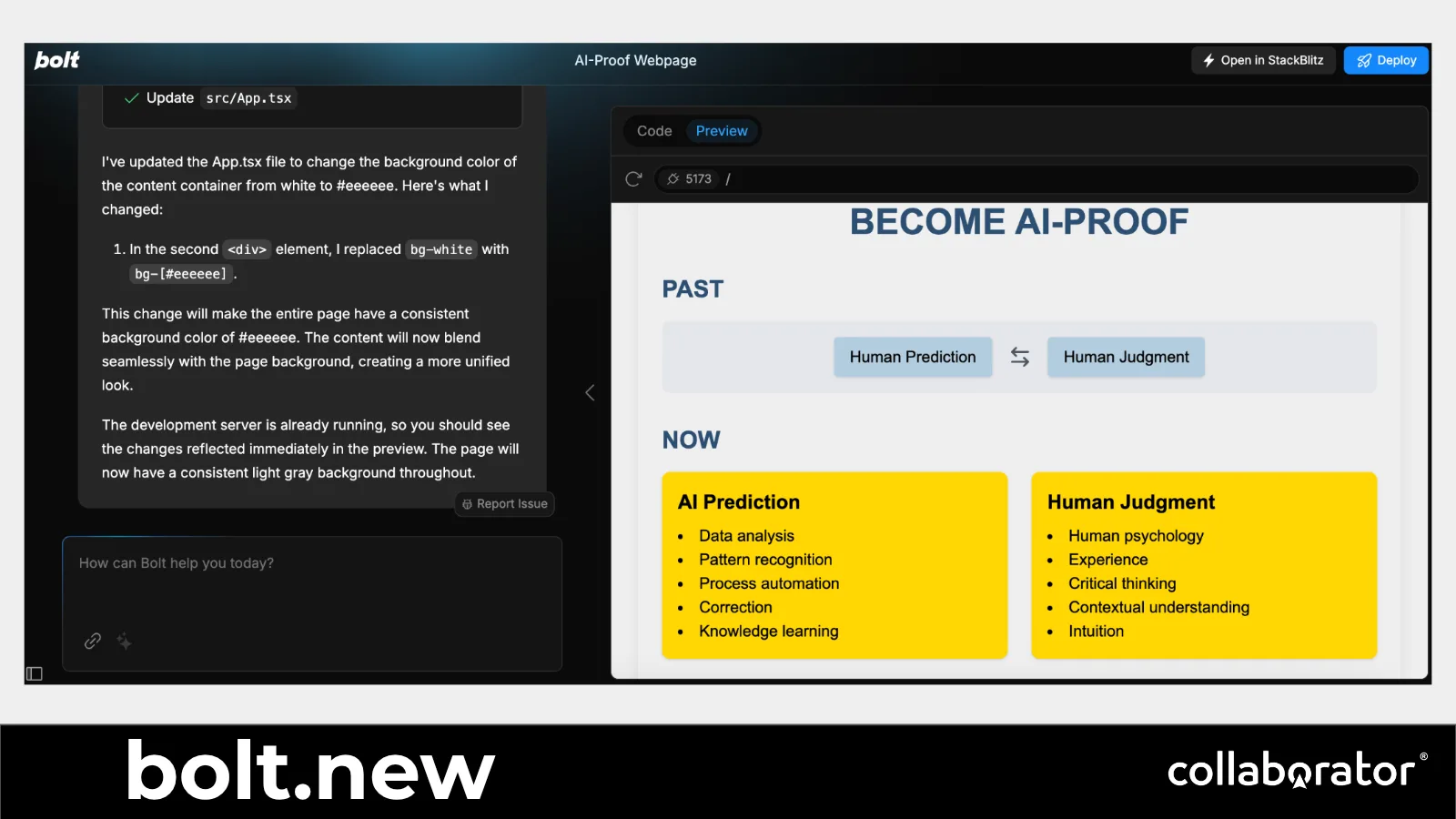
The point of automation is not to generate more activity. It is to preserve scarce human attention. A quick HTML prototype can communicate an idea without waiting for design capacity. A static-site generator can test a page concept. A browser assistant can turn a repeated manual action into a bookmarklet.
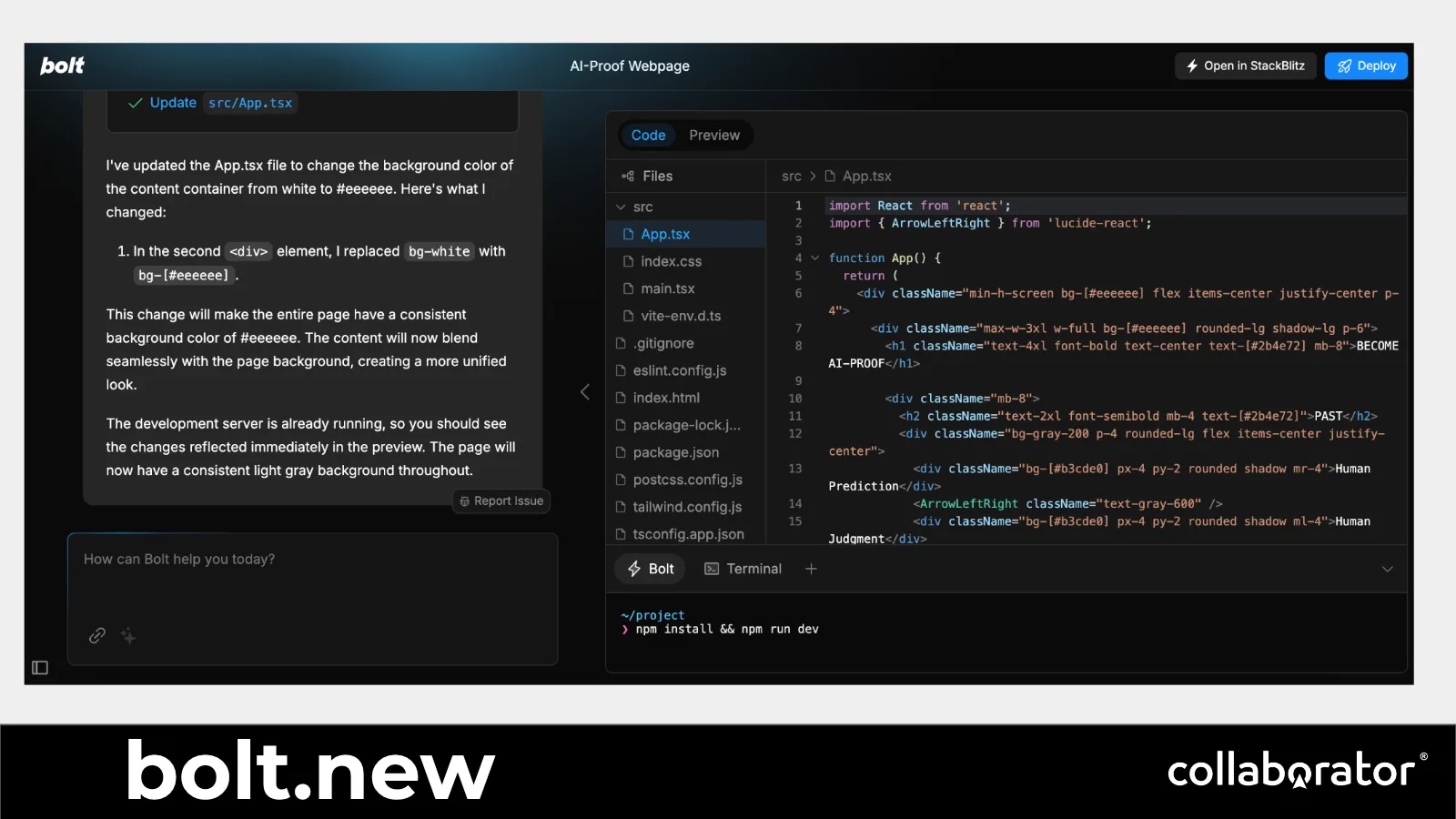
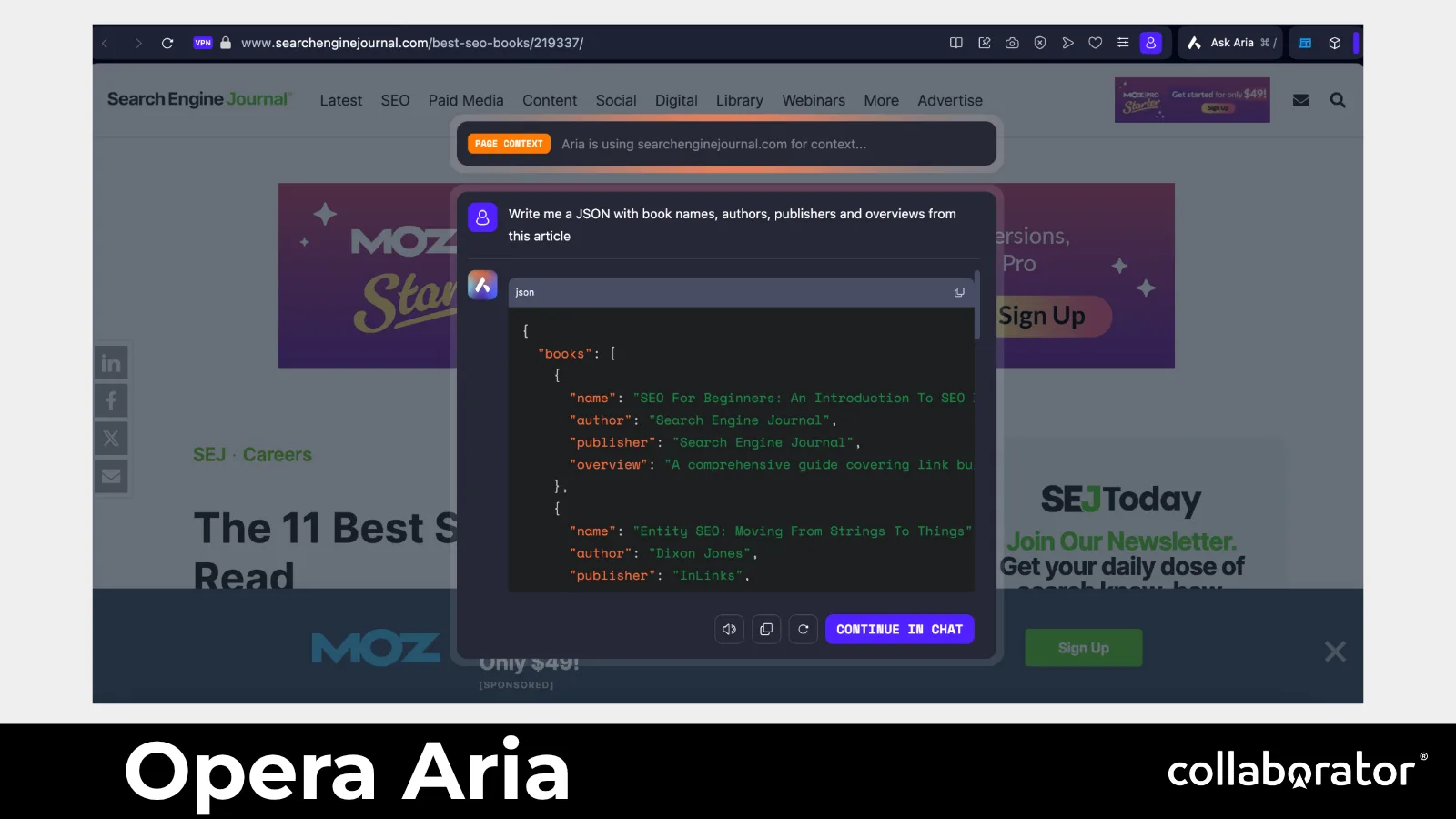
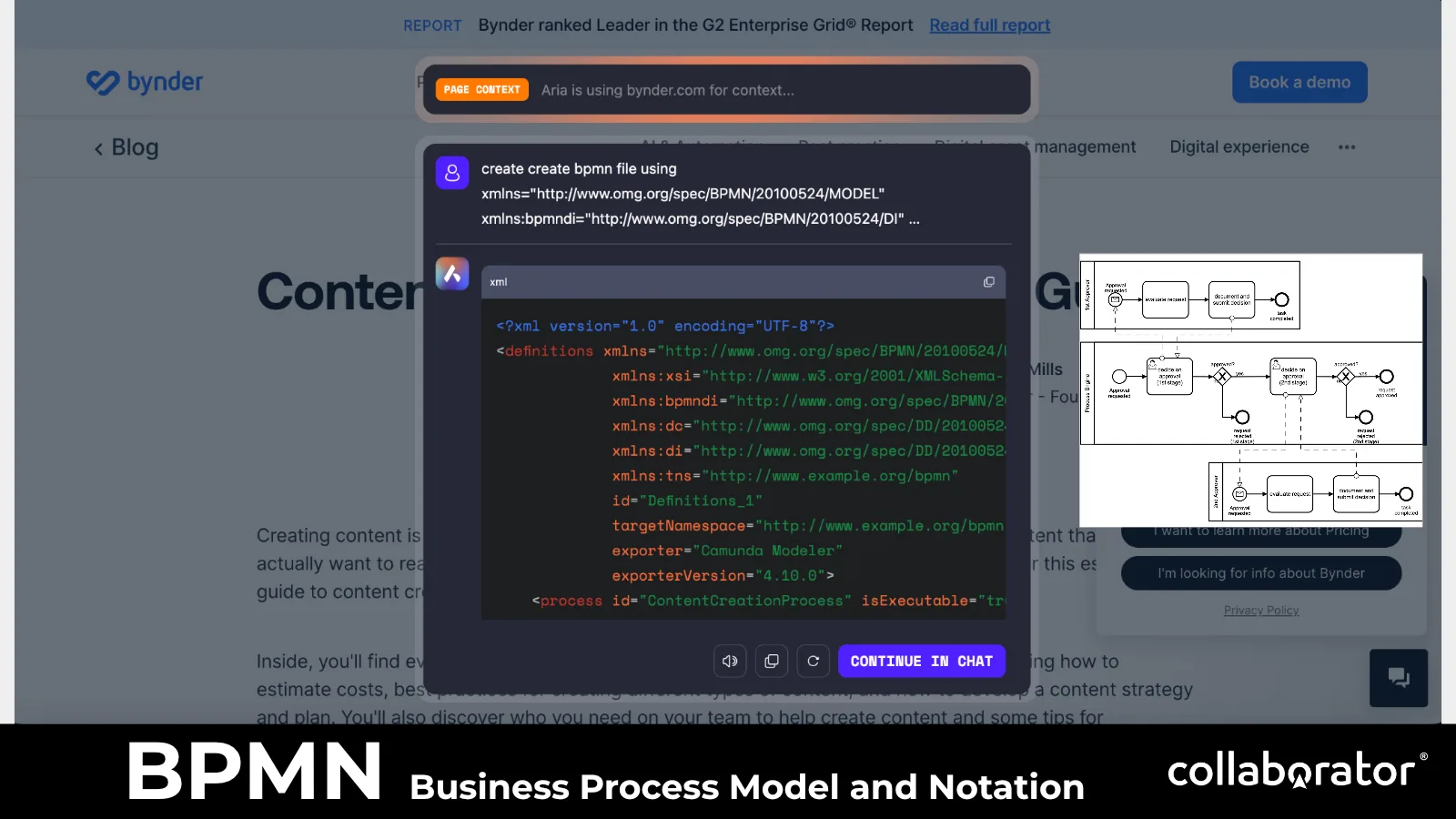
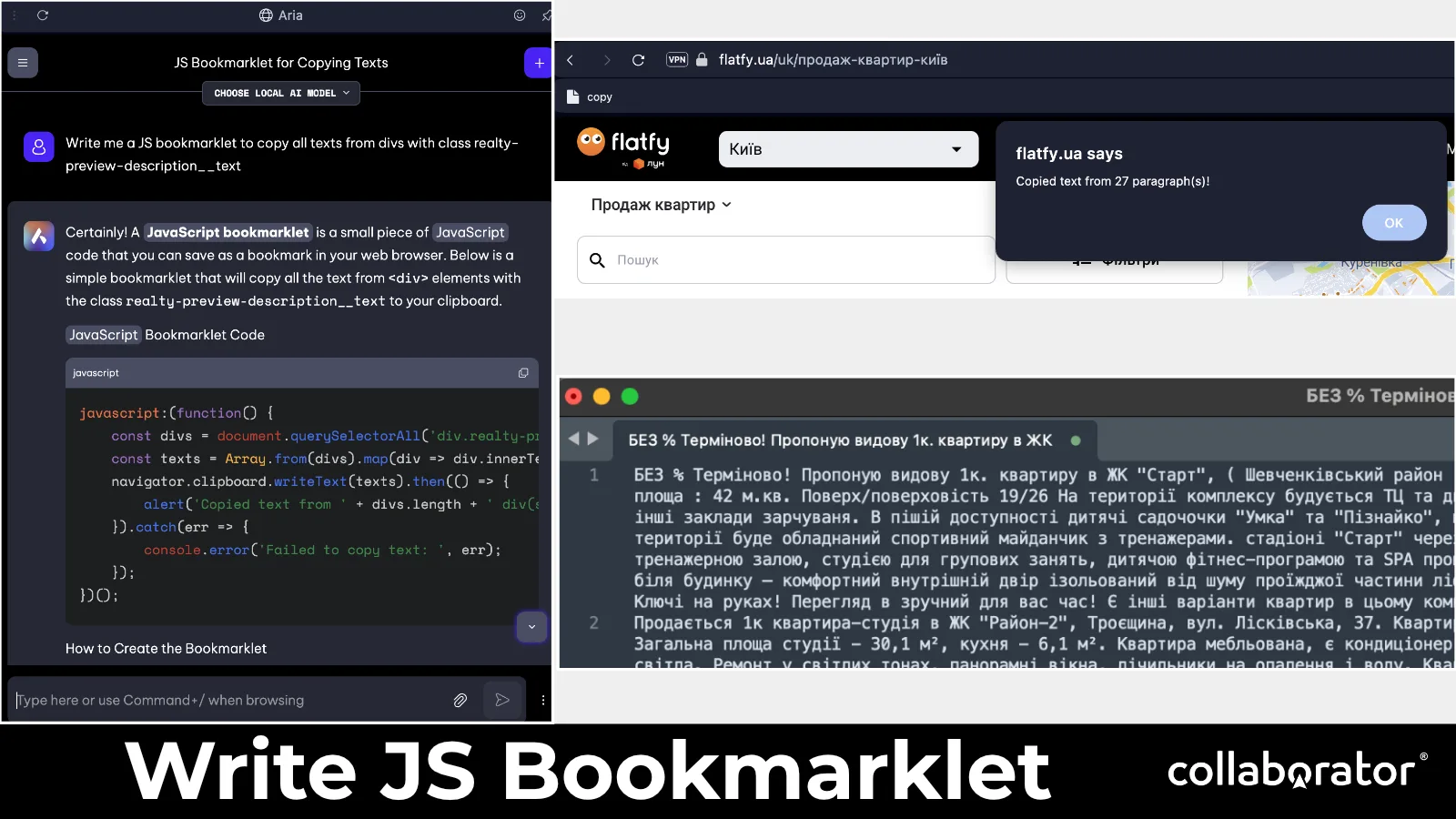
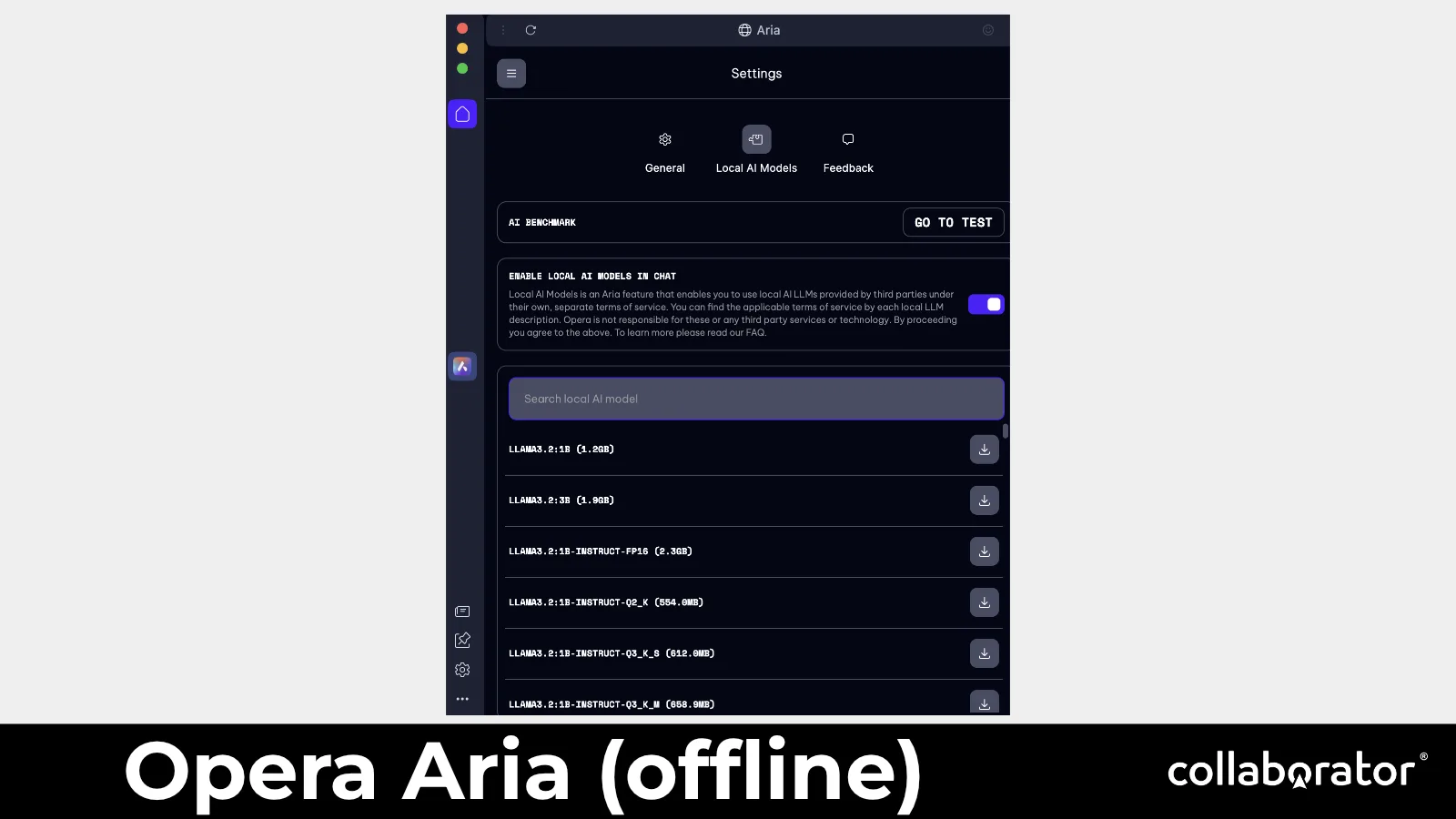
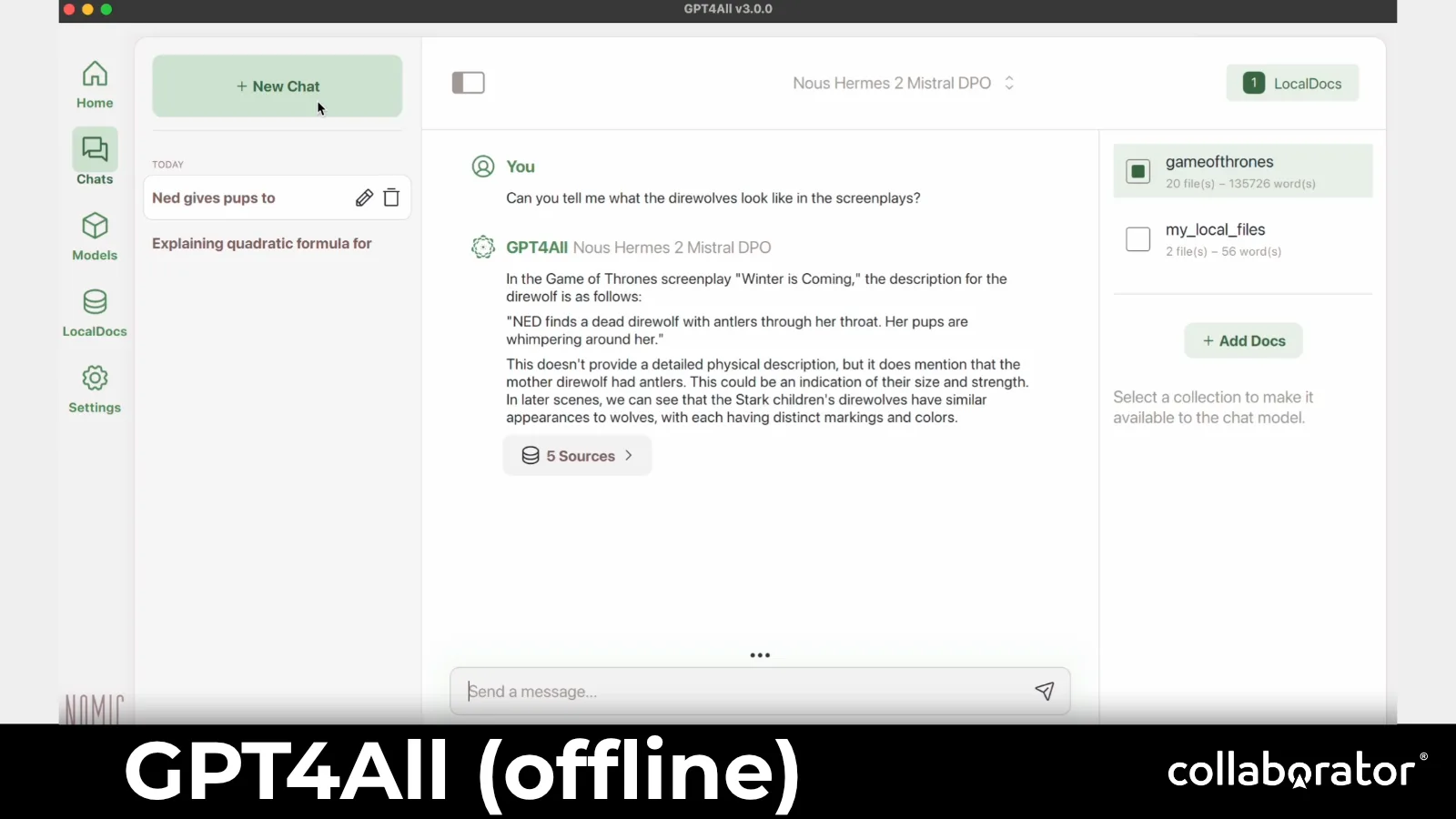
Privacy and control may justify offline models. They can be useful for sensitive inputs or topics blocked by hosted systems, but they shift costs into hardware, setup, updates, and evaluation. Local is an operating choice, not a synonym for free.
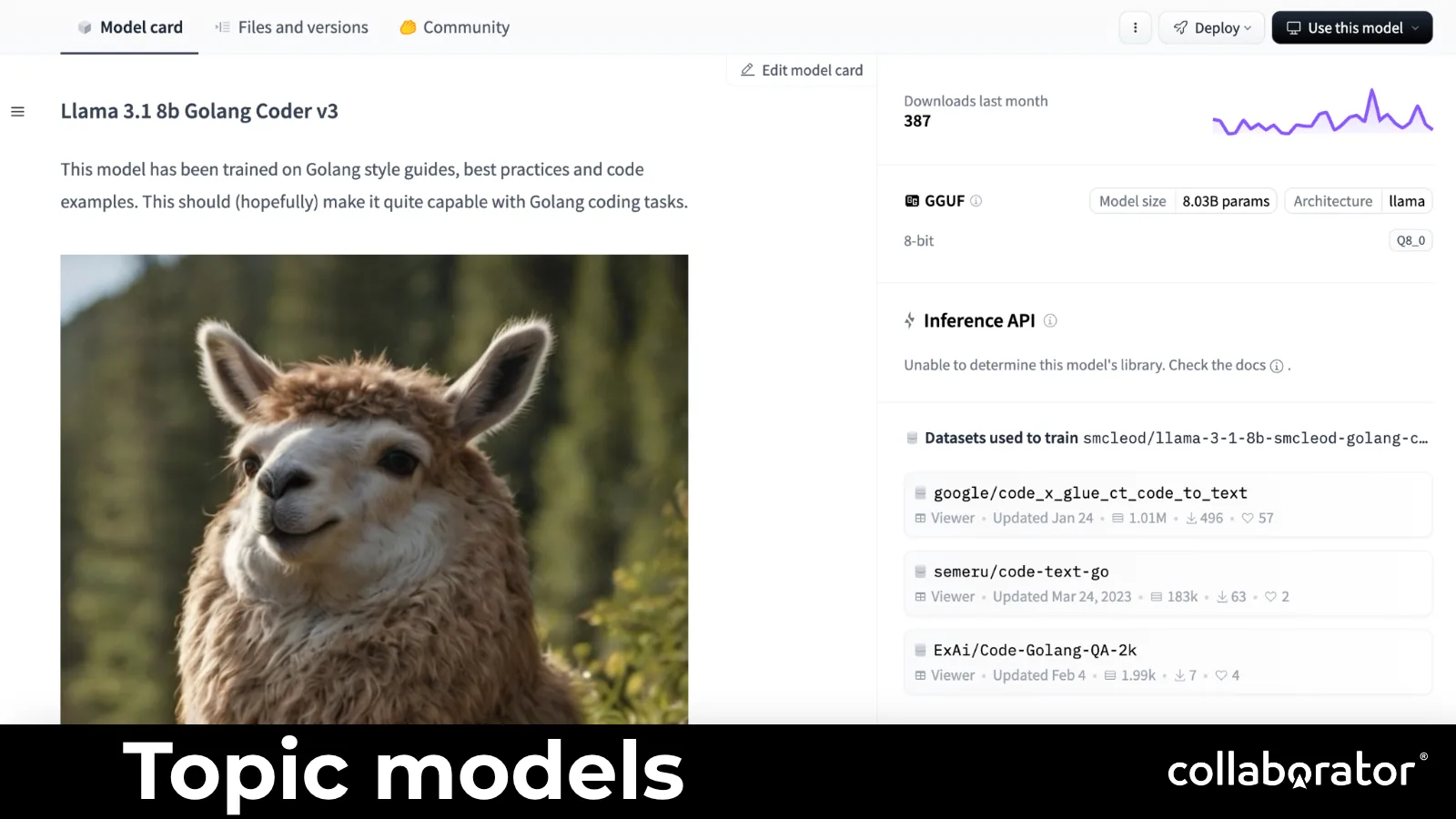
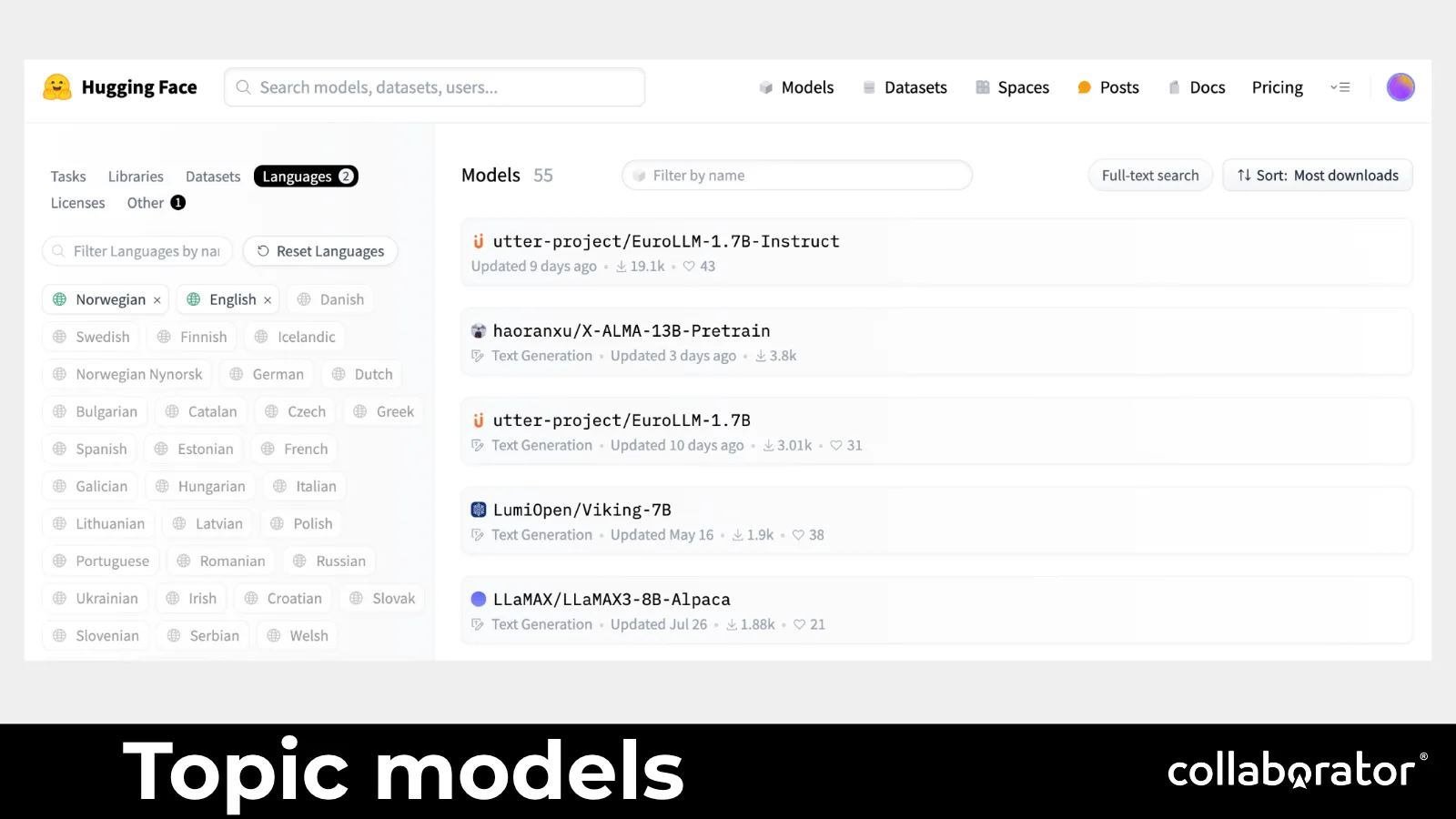
Specialized models are also available for coding, translation, and low-resource languages. Evaluate them with your own representative sample; a model card is a starting point, not a quality guarantee.
Data Turns Tools into an SEO System
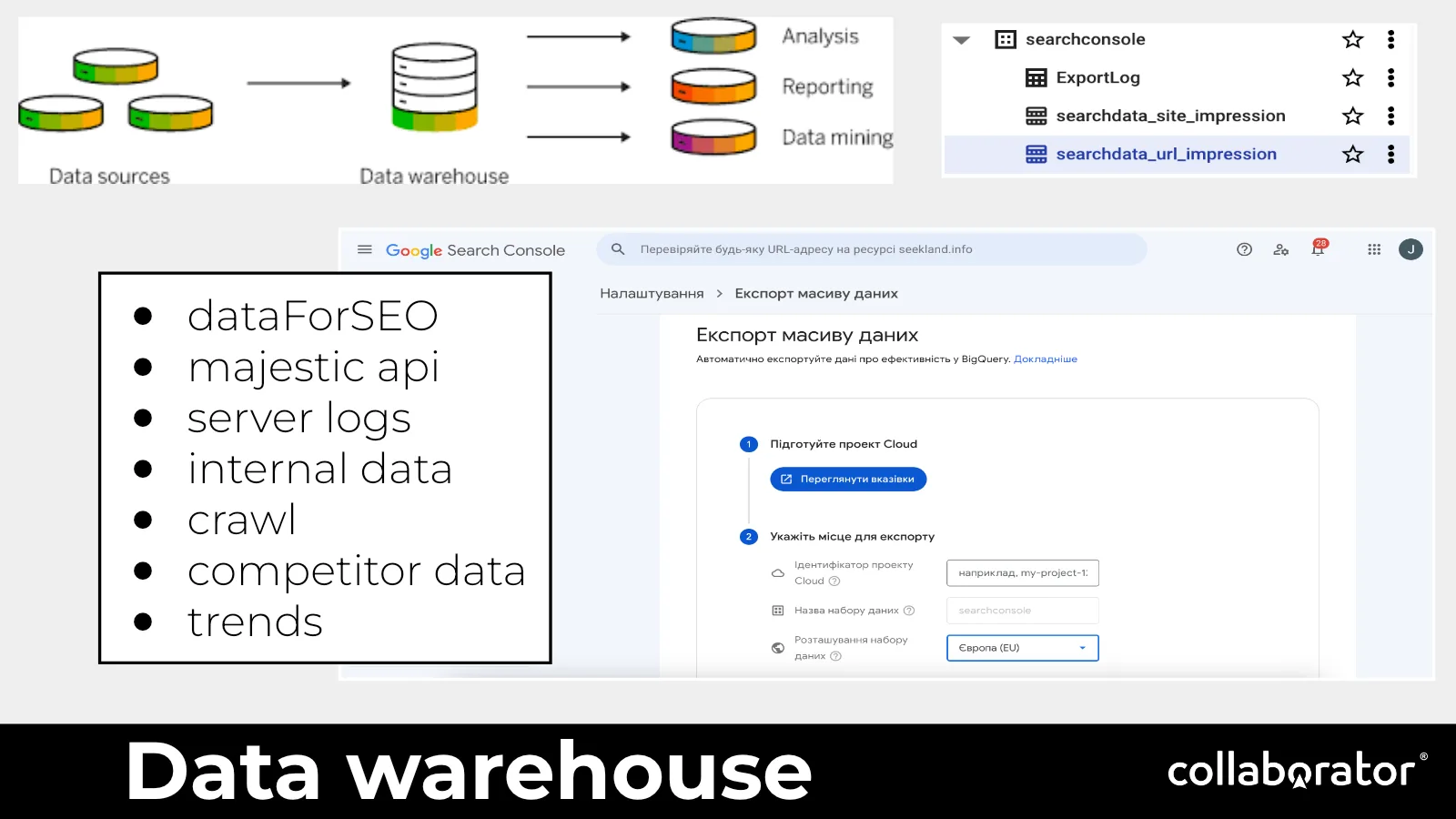
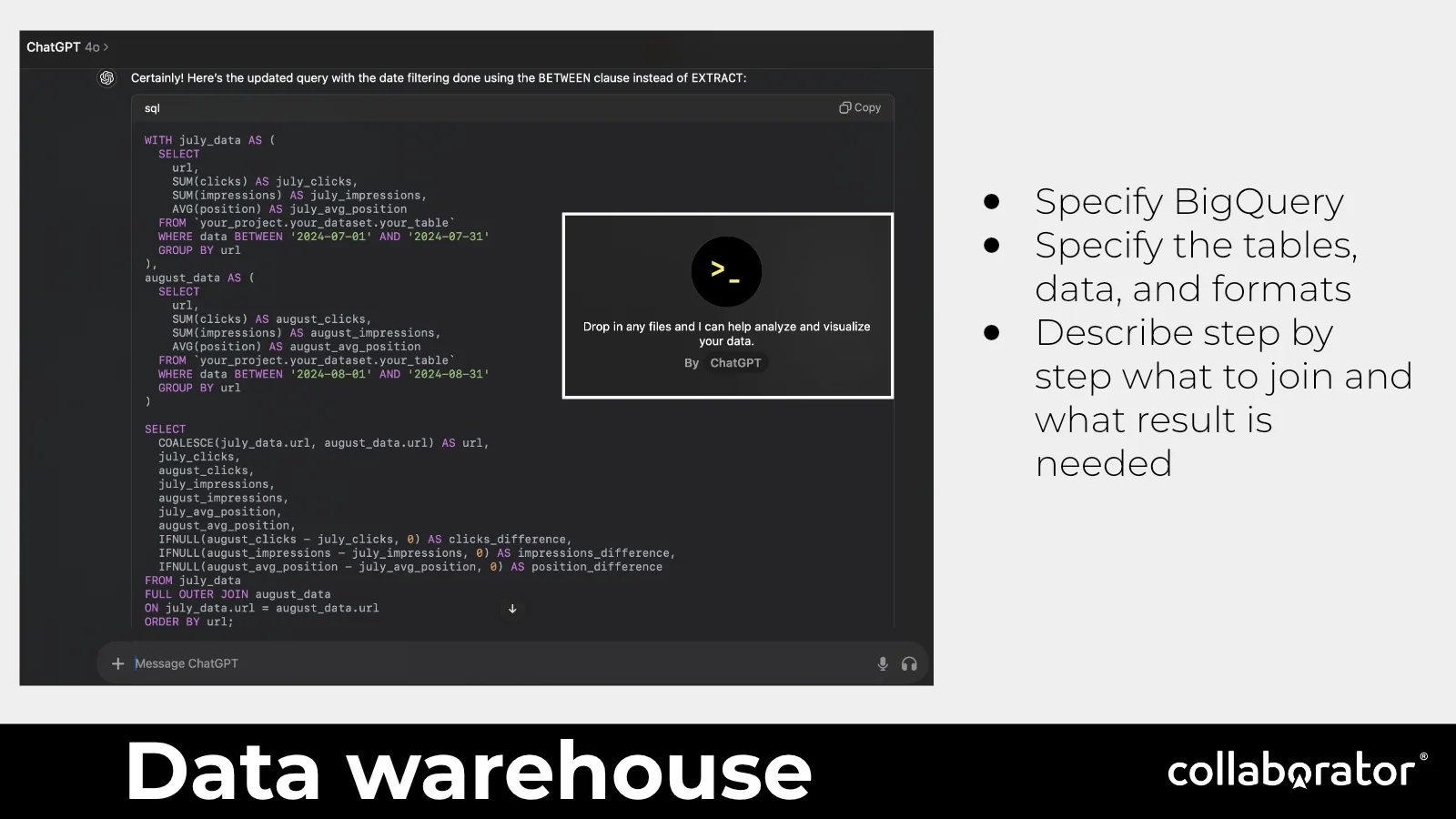
For experiments and large websites, AI needs project data. Combine Search Console bulk exports, server logs, crawl data, SERP providers, internal data, and business metrics in a warehouse. Tell the assistant which database you use, what tables and fields exist, how dates are formatted, and what result you need. Then verify the generated SQL before trusting the numbers.
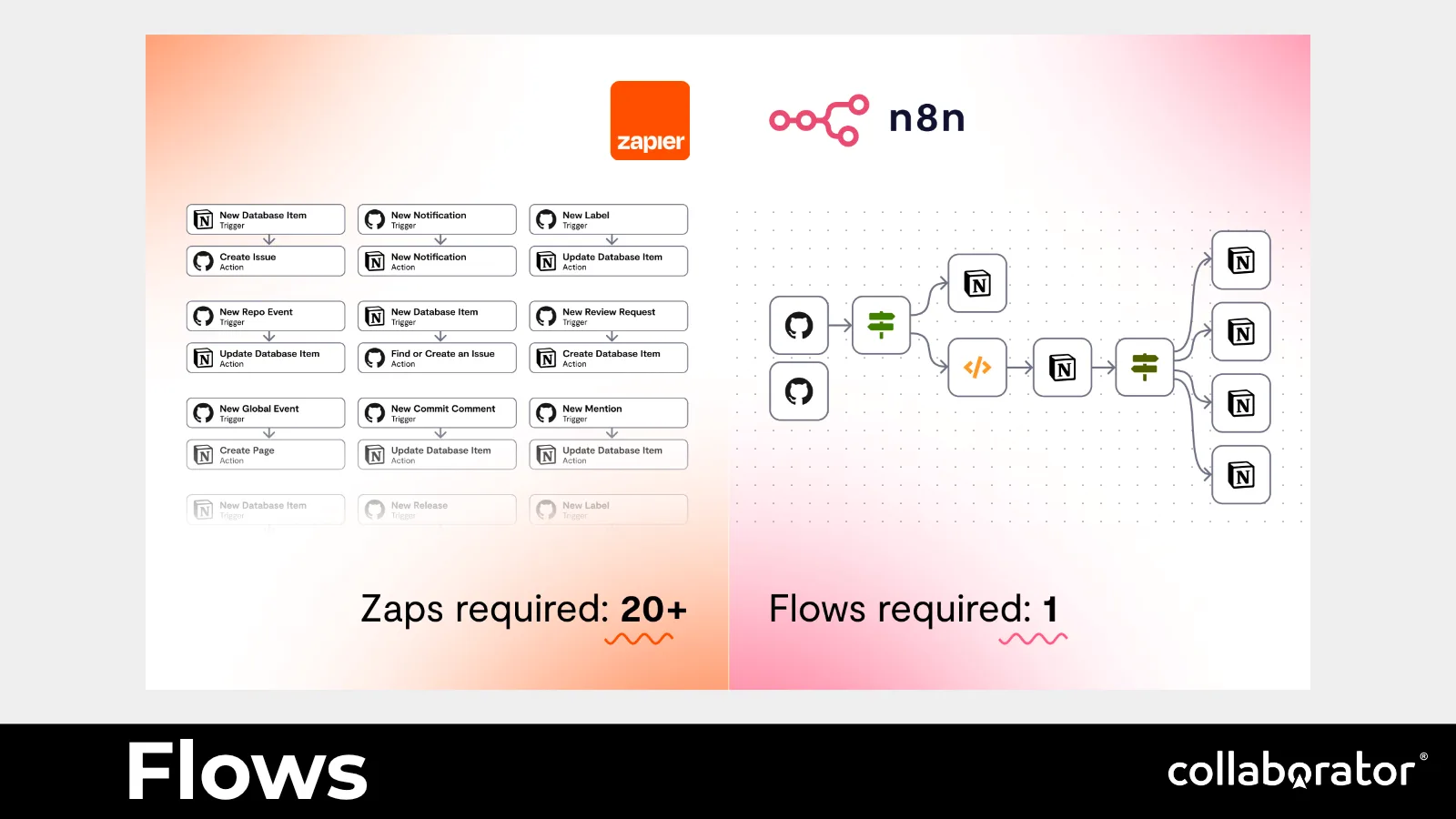
Workflow tools such as n8n can connect APIs and route results. One practical example is monitoring new backlinks to user-generated pages, collecting the affected URLs, and sending a review list. Automation should narrow attention to the cases that need judgment.
Finally, preserve every useful artifact: tested prompts, SQL queries, checklists, code snippets, decisions, and examples. The internal knowledge base is what turns isolated experiments into compounding team capability.

The Inspector Gadget mindset is disciplined curiosity. Start with the task, choose the smallest adequate tool, give it the right context, verify the output, and store what worked. A large toolkit is valuable only when it produces better decisions with less wasted attention.
Continue exploring
Related reading

Build Systems, Set Goals: A Goal-Oriented Approach to AI in SEO and Product Work
A practical approach to AI systems: goals, context, task files, agent loops, verification, and the limits of delegation.
From Failure to Fix: How AI Helps Solve SEO Problems in Hours, Not Weeks
How to use AI for SEO decision-making, traffic analysis, technical troubleshooting, and early risk detection.

AI for Programmatic SEO: Context Before Content at Scale
A practical context-engineering system for combining SEO data, project knowledge, small models, agents, and repeatable workflows.